The Smart Importer's Guide to Sourcing Products from China in 2026
China still manufactures roughly 28% of the world's goods. For solar panels, lithium batteries, EV components, industrial machinery, and consumer electronics, its share is even higher. For businesses importing these categories, sourcing from China isn't just a cost strategy — it's often the only practical option.
But sourcing well is not the same as just sourcing. The businesses that do it profitably follow a disciplined process. Here's what that looks like.
Step 1: Write a Proper Product Brief Before Approaching Anyone
The most common reason procurement projects go wrong is vague specifications. Approaching a Chinese supplier with a rough idea and no documentation is an invitation for misinterpretation — and the result is almost always a product that doesn't match what you intended.
Before reaching out to any factory or agent, document exactly what you need: dimensions, materials, finish, certifications required, target unit cost, minimum order quantity, and packaging specifications. This becomes your RFQ (Request for Quotation) — and everything that follows should be anchored to it.
Step 2: Choose the Right Sourcing Method
There are three main ways to global sourcing from China, and they are not equally suitable for every buyer.
Direct Factory Contact
You identify manufacturers yourself through Alibaba or similar platforms, conduct your own due diligence, and manage the process independently. This works well for experienced importers with established supplier relationships. For everyone else, it carries significant risk.
Freelance Sourcing Agents
Agents offer local access at lower cost, but typically operate as individuals with limited supplier networks and no formal accountability. Suitable for simple, low-value orders. Not recommended for technical or high-volume procurement.
Professional Sourcing Companies
A registered sourcing company with a permanent on-ground team in China provides verified factory access, structured quality control, compliance management, and end-to-end logistics — with contractual accountability. For serious B2B China procurement company, this is the gold standard.
Step 3: Verify Every Supplier — No Exceptions
This cannot be skipped. Every credible supplier has a registered business licence — check it on China's official credit system. Confirm whether you're dealing with an actual manufacturer or a trading company. Visit the factory or have someone do it for you. Request samples. Run a pre-shipment inspection through an independent third-party service.
Suppliers who are unwilling to provide documentation, factory access, or samples before a large order are suppliers you should not work with.
Step 4: Manage Quality Through the Entire Production Cycle
Placing a purchase order is the beginning of quality management, not the end. For any meaningful order, quality must be monitored through three stages:
• Pre-production: confirming raw materials and production setup match your specs
• In-line production: checking work in progress against your specification sheet
• Pre-shipment: inspecting finished goods against your purchase order before packing
Skipping pre-shipment inspection is the single most expensive mistake importers make. Catching a quality issue in China costs a fraction of what it costs once goods have left the factory.
Step 5: Get the Shipping Terms Right
Your choice of shipping terms determines who handles customs, who pays duties, and who bears risk in transit. For most international buyers — especially those new to importing — DDP (Delivered Duty Paid) is the optimal choice.
Under DDP, the seller or their logistics partner handles all freight, customs clearance, import duties, and final delivery. You agree to one all-inclusive landed price and receive the goods at your warehouse. No customs surprises. No additional invoices.
Why a Local Partner Changes Everything
The businesses that source from China most effectively are those with a knowledgeable partner already on the ground — one who speaks the language, knows the factories, can resolve production issues in real time, and takes accountability for the end result.
Building that expertise independently takes years. Borrowing it from a specialist takes a phone call.
About Bavaria Traders
Bavaria Traders is a Guangzhou-based global sourcing and procurement company — legally registered in China with an active import/export licence. We manage the full procurement cycle for international buyers: supplier verification, factory audits, quality control, and DDP door-to-door delivery across solar energy, EV equipment, LiFePO4 batteries, industrial machinery, and more. Factory-direct pricing. Zero middlemen. Full accountability. Visit bavariatraders.com to start sourcing smarter.
Categorie
Leggi tutto
Benefits of Using Certification Exam Preparation Material Certification exams help people grow in their careers. They help you get better jobs. They also help you earn more money. Many students want to pass the 4A0-M02 exam on the first attempt. This exam is offered by Nokia. However, exam preparation can feel difficult. There are many books to read and many topics to cover. This is why using...

Boost your VMware CPRP exam preparation with DumpsHero’s expert-crafted study guides and practice materials. Study smarter, build confidence, and pass with ease. Prepare Smarter for the VMware CPRP Exam with DumpsHero – Your Trusted Study Companion Mastering the VMware CPRP exam dumps the right blend of knowledge, practice, and confidence. DumpsHero gives IT professionals a...

A new growth forecast report titled Immersive VR Market Size, Share, Trends, Industry Analysis Report: By Component (Hardware, Software, and Services), Technology, Device, End Use, and Region (North America, Europe, Asia Pacific, Latin America, and Middle East & Africa) – Market Forecast, 2024–2032 introduced by Polaris Market Research represents conclusive data on the...

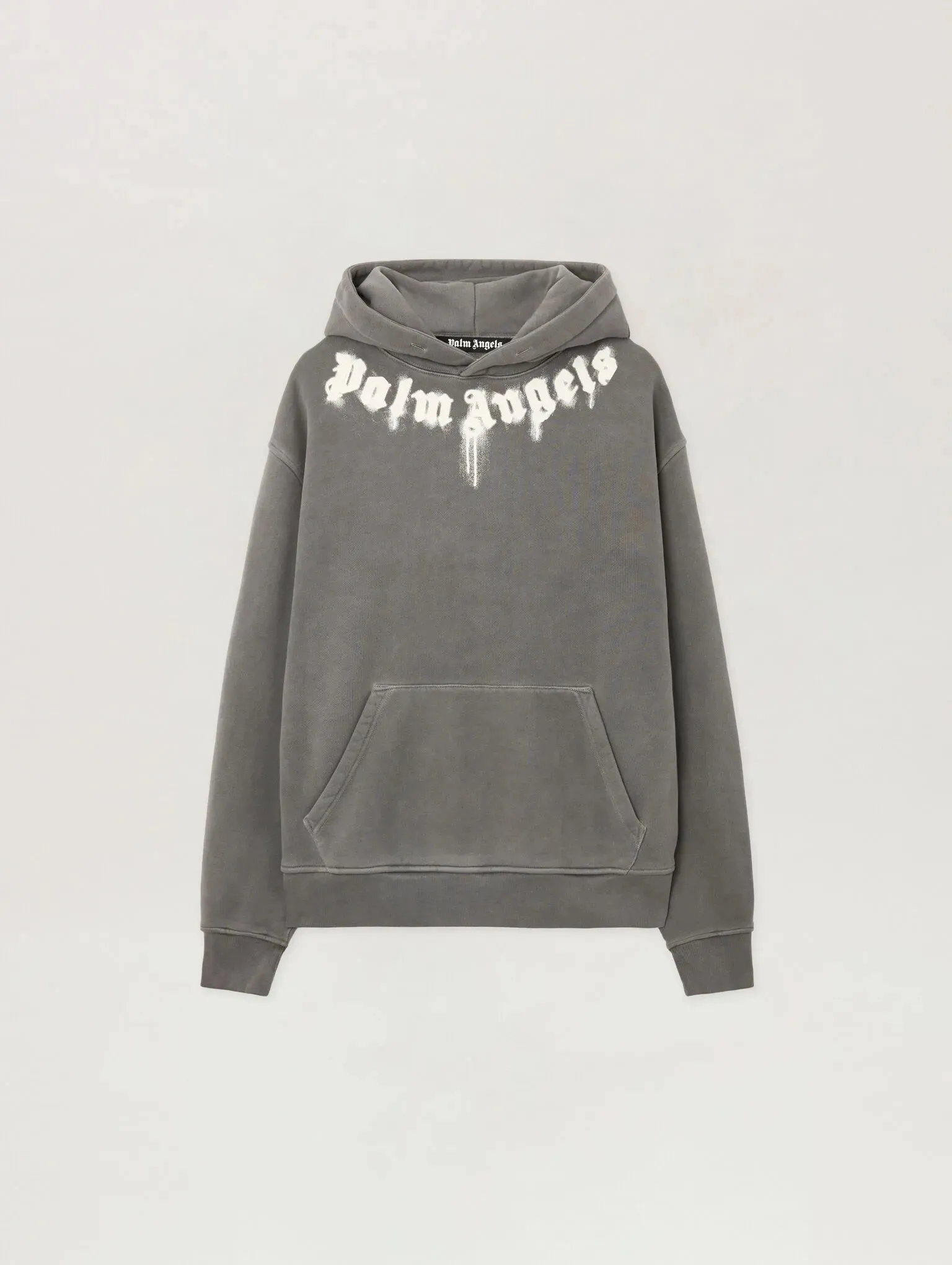
Palm Angels has become one of the most popular streetwear brands in the United States. Known for its bold graphics, relaxed fits, and luxury touch, Palm Angels blends skate culture with high fashion. During summer, the brand stands out even more because of its fresh colors, lightweight fabrics, and effortless street style vibe. In cities like Los Angeles, New York City, and Miami, Palm...
In today’s publishing industry, trust plays a very important role. Authors do not only look for a service to publish their book, they also want reassurance that their work will be handled professionally, carefully, and with respect. At Sydney Book Publisher, we understand that choosing a publishing partner is a big decision. Authors are not just sharing a manuscript, they are sharing...