Engineering the Future: The Evolution of Modern Construction

Engineering, Procurement, and Construction (EPC) services form the bedrock of global infrastructure development, providing the comprehensive lifecycle management required for complex, capital-intensive projects. As the world navigates an era of unprecedented industrial change, the EPC market has moved to the center of global economic growth. This sector is no longer defined merely by traditional building and site preparation; it has evolved into a strategic partner in the deployment of smart, resilient, and sustainable systems. From the rapid scaling of renewable energy facilities to the modernization of aging transmission grids and the construction of advanced industrial complexes, the industry is balancing the immediate need for capacity with the long-term necessity of decarbonization and digital integration.
The Digital Transformation of Project Delivery
The most profound shift occurring across the sector is the rapid adoption of digital intelligence. The era of manual drafting and siloed project management is giving way to highly integrated, data-driven execution models. Building Information Modeling (BIM) has moved beyond basic 3D visualization to become a central source of truth for the entire project lifecycle. Modern projects now utilize "digital twins"—virtual replicas of physical assets—to simulate construction sequences, test operational variables, and predict maintenance needs before a single foundation is poured.
Artificial intelligence and machine learning are further amplifying these capabilities. EPC contractors are employing AI-driven scheduling tools that can analyze millions of data points to optimize workflows, detect potential bottlenecks, and adjust resource allocation in real-time. This digital maturity not only reduces the risk of schedule delays but also significantly improves safety on-site, as predictive analytics help identify and mitigate hazards before they manifest. The result is a more predictable, efficient, and transparent delivery process that benefits both the client and the community.
Sustainability as a Core Competency
Sustainability is no longer an optional add-on for major infrastructure projects; it is a fundamental requirement dictated by regulatory landscapes, investor expectations, and corporate responsibility. The EPC sector is leading the transition toward a circular economy, prioritizing materials with lower carbon footprints and designing facilities that are optimized for energy efficiency.
This shift is particularly visible in the design of energy infrastructure. EPC firms are now tasked with building facilities that are not only efficient in their operation but are also designed for decommissioning and recycling. This "design-for-deconstruction" approach ensures that at the end of an asset’s life, its components can be reclaimed, refurbished, or repurposed, minimizing waste and resource extraction. Additionally, the integration of green building certifications and smart energy management systems into project scopes demonstrates a commitment to operational sustainability that spans the entire life of the asset.
The Rise of Modular and Prefabricated Construction
To address the challenges of shrinking project timelines and global supply chain volatility, the industry is increasingly embracing modular construction. By shifting a significant portion of fabrication from the job site to controlled, off-site environments, EPC contractors can achieve higher levels of precision, safety, and quality control.
Modularization allows for concurrent project phases: while site preparation and foundation work are underway in one location, critical systems and components are being fabricated simultaneously in another. This parallel execution can shave months off a project's timeline and provides greater resilience against localized weather disruptions and labor shortages. As technology continues to improve, the sophistication of these modules has grown, moving from simple, repeatable units to complex, fully integrated process skids that can be quickly assembled on-site.
Grid Modernization and Energy Resilience
With the global energy transition placing a premium on grid stability, the demand for sophisticated EPC services has never been higher. The integration of variable renewable energy sources—such as large-scale wind and solar farms—requires significant updates to existing power infrastructure. EPC contractors are playing a vital role in building the "backbone" of the new energy economy, which includes not just generation assets but also long-duration energy storage systems and high-voltage transmission lines.
This work involves navigating the complexities of brownfield sites, where EPC firms must upgrade and retrofit aging infrastructure without interrupting service to the surrounding network. This requires a high degree of technical expertise and logistical planning, as contractors manage the delicate balance between modernizing existing systems and integrating new, high-tech components. The focus is shifting toward creating "smarter" grids that can handle bidirectional power flows and react dynamically to changes in demand, a task that sits squarely within the purview of modern EPC capabilities.
Navigating Complexity and Workforce Challenges
Despite the technological advancements, the industry faces persistent operational hurdles. The complexity of global supply chains, fluctuating raw material costs, and an increasingly competitive landscape for specialized talent remain significant concerns. The nature of project delivery is becoming more collaborative, with the rise of integrated project delivery (IPD) models, joint ventures, and long-term strategic alliances. These frameworks are designed to share risks and incentives more effectively, fostering a culture of transparency and shared objectives.
Simultaneously, the sector is grappling with a widening skills gap. As construction evolves into a more tech-heavy, data-driven field, there is an acute need for a workforce that possesses both traditional trades expertise and proficiency in digital tools. Organizations are responding by investing in comprehensive training programs and partnerships with educational institutions to cultivate the next generation of engineers, data analysts, and project managers. The ability to attract and retain this talent is increasingly viewed as a key competitive advantage for any EPC entity.
Looking Toward the Future
As the sector moves forward, the focus will likely intensify on the intersection of physical infrastructure and digital intelligence. The future of EPC is not just about building static structures; it is about delivering intelligent, adaptive systems that can evolve alongside the needs of the society they serve. By prioritizing agility, sustainability, and technical innovation, the sector is positioning itself to tackle the immense challenges of the coming decades. Whether it is supporting the growth of digital infrastructure, enabling the global energy shift, or revitalizing urban systems, the industry continues to provide the essential framework upon which modern progress is built. The evolution from a service-provider model to a strategic partner model marks a new chapter for the industry, one that will be defined by its ability to deliver complex solutions in an increasingly interconnected and rapidly changing world.
Explore additional reports to understand evolving market landscapes:
Categorie
Leggi tutto
Eric Emanuel tracksuits have gained strong attention in recent years among aesthetic buyers. In 2026, people are still asking if these tracksuits are worth buying or not. The main reason for this interest is their connection with sports. street-inspired garments culture. Many buyers appreciate how these tracksuits combine relaxed wear with a clean modern display. they're often seen on athletes,...

Polaris Market Research has announced the latest report, namely Coffee Roaster Market Size, Share, Trends & Industry Analysis Report: By Type (Direct Fire, Half Hot Air, Hot Air, and Others), By Batch Size, By Application, and By Region – Market Forecast, 2025–2034, that examines the overall market condition both now and in the future. It provides comprehensive and accurate...

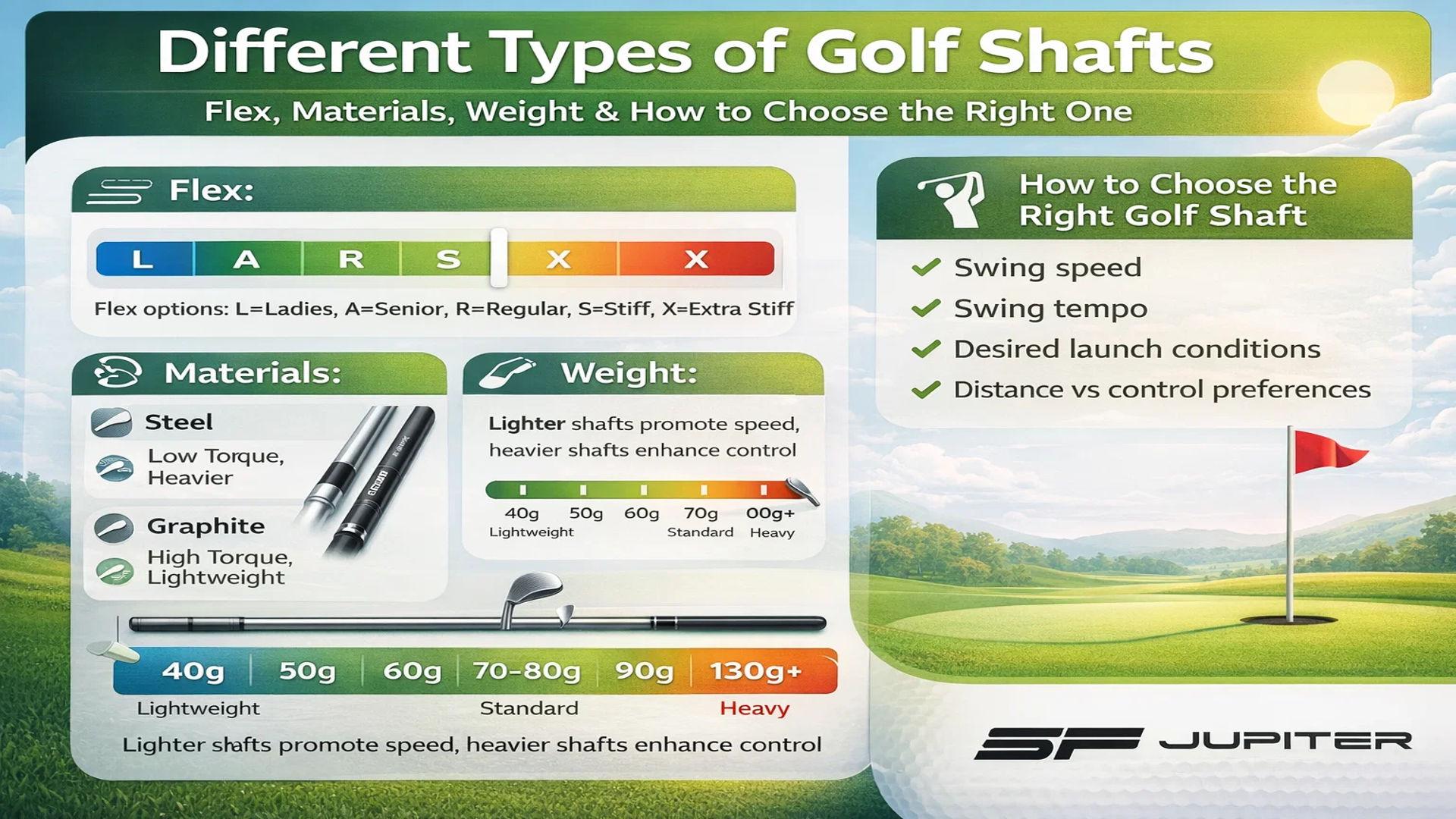
Many golfers spend time improving their swing or upgrading their clubheads, but one of the most influential parts of any golf club is often overlooked: the shaft. The golf shaft is responsible for transferring energy from the golfer’s swing into the clubhead and ultimately the golf ball. Choosing the correct shaft can significantly affect distance, launch angle, spin rate, accuracy, and...
The global E-Contracting Platform market is witnessing rapid expansion driven by digital transformation, remote business operations, and regulatory compliance requirements. Valued at USD 2.6 billion in 2015, the market grew to USD 4.3 billion in 2020, reflecting a CAGR of 10.6%. By 2022, it reached USD 5.2 billion and is projected to hit USD 9.7 billion by 2030, growing at a CAGR...
Erectile dysfunction (ED) is a health condition that affects millions of men worldwide, often causing stress, anxiety, and relationship challenges. While it may feel like a sensitive topic, ED is a common medical issue that can be treated effectively with the right medication, lifestyle adjustments, and professional guidance. In recent years, online pharmacies have made accessing these...