What jobs are in IoT?

The Internet of Things is opening up career paths across software, hardware, data, and connected systems. In this article, we explain what iot jobs look like, where they sit in the wider tech market, and why iot jobs matter for both candidates and employers.
IoT is much broader than one job title
When people hear the term IoT, they often think of smart devices or connected gadgets in the home. In reality, the field is much broader. Iot jobs sit across the full chain of connected technology, from the device itself to the software, platform, data, and security layers behind it.
That is one reason the market can feel confusing at first. There is no single path into it, and there is no one role that defines it. Instead, iot jobs cover a mix of engineering, infrastructure, analytics, product, and commercial positions that all support connected systems in different ways.
From our perspective, that breadth is part of the appeal. People are not only working on code or hardware in isolation. They are helping build products and systems that respond to real conditions, collect useful data, and support better decisions in the real world.
The most common roles in the IoT market
Some of the best-known iot sit in software and embedded engineering. These roles focus on the code that runs on devices, controls behaviour, manages connectivity, and helps products communicate with wider systems. Depending on the company, that could mean firmware development, embedded C or C++, edge software, or application-layer engineering.
Cloud and platform engineering is another major area. Connected devices generate and send large volumes of data, so businesses need engineers who can build the systems that handle that traffic. In practice, many iot jobs in this area involve backend services, APIs, device management, cloud architecture, and large-scale infrastructure.
Data roles are also becoming more important. Once connected products start producing useful information, businesses need people who can organise it, analyse it, and turn it into insight. That means iot can include data analysts, data engineers, and machine learning specialists who help businesses improve performance, predict maintenance needs, or make smarter commercial decisions.
Cybersecurity matters too. As more devices connect to networks, the risks become more serious, especially in sectors such as transport, healthcare, energy, and industrial systems. That is why many iot jobs now involve securing devices, protecting communications, and reducing vulnerability across wider connected environments.
Which industries hire for IoT roles
One of the strongest things about the market is its range. Iot jobs can be found across automotive, telecoms, manufacturing, logistics, medical technology, consumer electronics, energy, and smart infrastructure. That gives candidates more than one route into the field.
For example, in manufacturing, connected systems often support predictive maintenance, machine monitoring, and operational efficiency. In automotive, they can support telematics, sensors, and vehicle connectivity. In healthcare, they may sit behind remote monitoring tools and connected medical devices. That variety means iot is not tied to one sector or one type of company.
This matters because candidates are not only choosing a technical path. They are also choosing an industry context. Some people want to work in industrial systems. Others are more interested in consumer products or smart mobility. The good news is that iot exists across all of these spaces.
What skills employers usually look for
The exact skills will depend on the role, but certain themes appear again and again. Employers usually want technical depth in one area, combined with a broader understanding of how connected systems work. That is because many iot jobs sit at the intersection of hardware, software, connectivity, and data.
Problem-solving is especially important. IoT systems often need to work outside ideal test environments, which means reliability matters just as much as innovation. In our experience, iot often suits people who are practical, methodical, and comfortable solving issues that involve more than one technical layer.
Communication matters as well. Connected technology projects usually involve engineers, product teams, operations staff, and commercial stakeholders working together. Candidates who can explain technical issues clearly and work well across teams often stand out when applying for iot jobs.
Why IoT remains a strong career area
The demand for smarter systems, better visibility, automation, and real-time monitoring continues to grow. Businesses want connected products that do more, tell them more, and help them respond faster. That is why iot jobs continue to offer long-term value in a wide range of industries.
For candidates, the field can lead in several directions. Some stay close to embedded engineering or platform work. Others move into architecture, product management, data, security, or leadership roles. That flexibility is one of the biggest reasons people stay in the space once they enter it.
Conclusion
So, what jobs are in IoT? They include software engineers, embedded specialists, cloud and platform experts, data professionals, cybersecurity talent, and product leaders working across connected systems. It is a broad and growing market, which is exactly why understanding iot jobs can help you make better career or hiring decisions.
If you are exploring iot jobs or looking to hire in this space, we can help. Speak to us about your goals, explore more of our insights, and let us help you navigate the opportunities shaping today’s connected technology market.
الأقسام
إقرأ المزيد
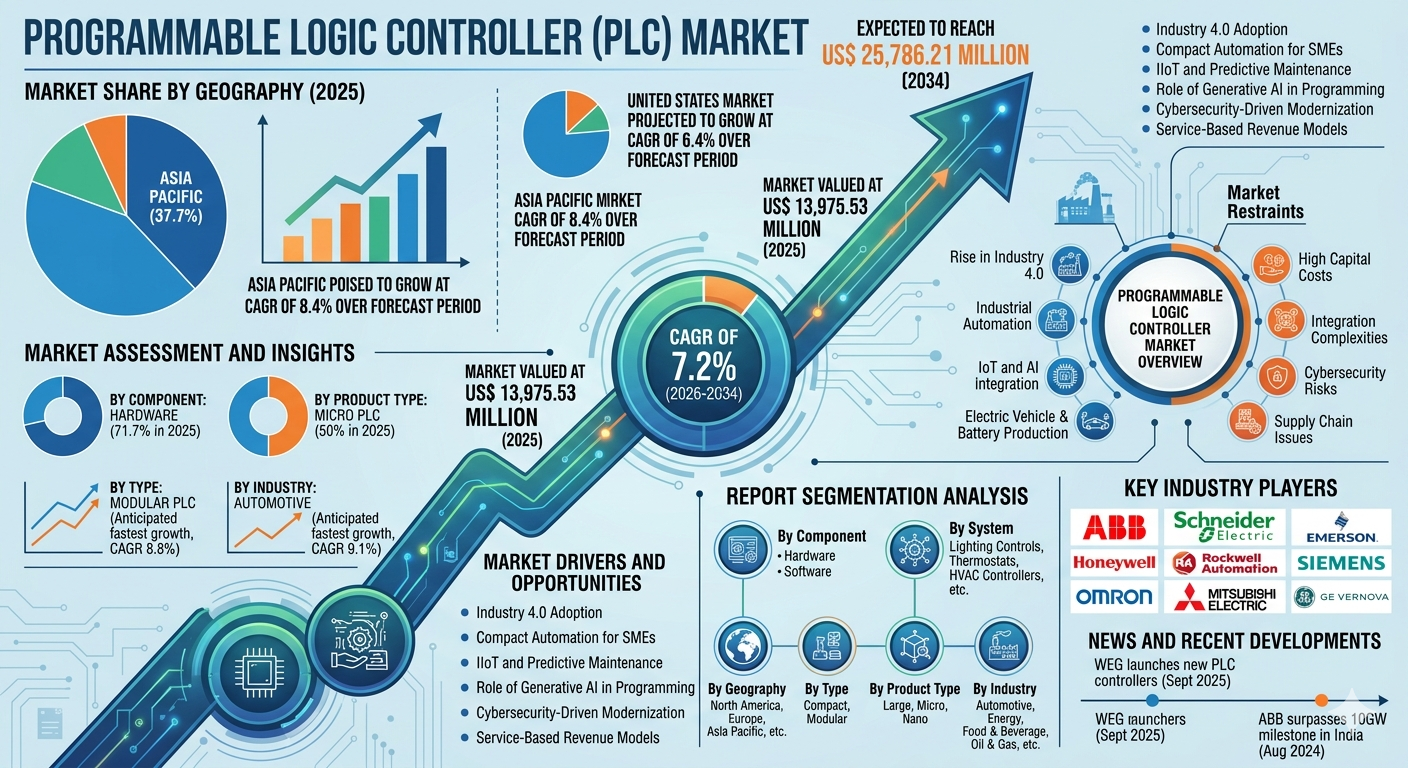
The global industrial ecosystem is undergoing a significant transformation driven by rapid adoption of automation, digital technologies, and smart manufacturing systems. Industries such as automotive, energy, chemicals, pharmaceuticals, food and beverage, and electronics are increasingly focusing on improving operational efficiency, reducing downtime, and enhancing production accuracy. This...
Choosing forklift training blended in Calgary is a smart way to gain essential skills with greater flexibility and convenience. Blended training combines online learning with practical, hands-on evaluations, making it ideal for busy workers and employers who want efficient certification without compromising safety. The online modules allow trainees to learn at their own pace, covering key...

Pokémon TCG Mini-Set Reveal The latest Pokémon TCG Pocket reveal has arrived, showcasing a new mini-set. Scheduled for release next week, the 'Mega Shine' expansion spotlights Shiny Mega Evolutions. Leading the reveal is the striking Shiny Mega Gengar, featured as the set's cover star. Its rare card art presents a white variant, a dramatic shift from its usual purple coloration....

As the world of online retail matures, the most forward-thinking companies are looking beyond the basic functions of a shopping cart to discover the next wave of transformative E-Commerce Platform Market Opportunities. The future of e-commerce is not just about transactions; it's about creating immersive, personalized, and deeply integrated customer experiences. The emerging opportunities...

he world of online gaming has transformed rapidly, offering endless opportunities for entertainment and community engagement. One platform that stands out in this dynamic space is Reddy Book Club. Known for its wide range of games and a supportive gaming community, Reddy Book Club offers more than just a fun way to pass the time—it provides an exciting and immersive gaming...