


Why Music Education Is Essential in American Schools
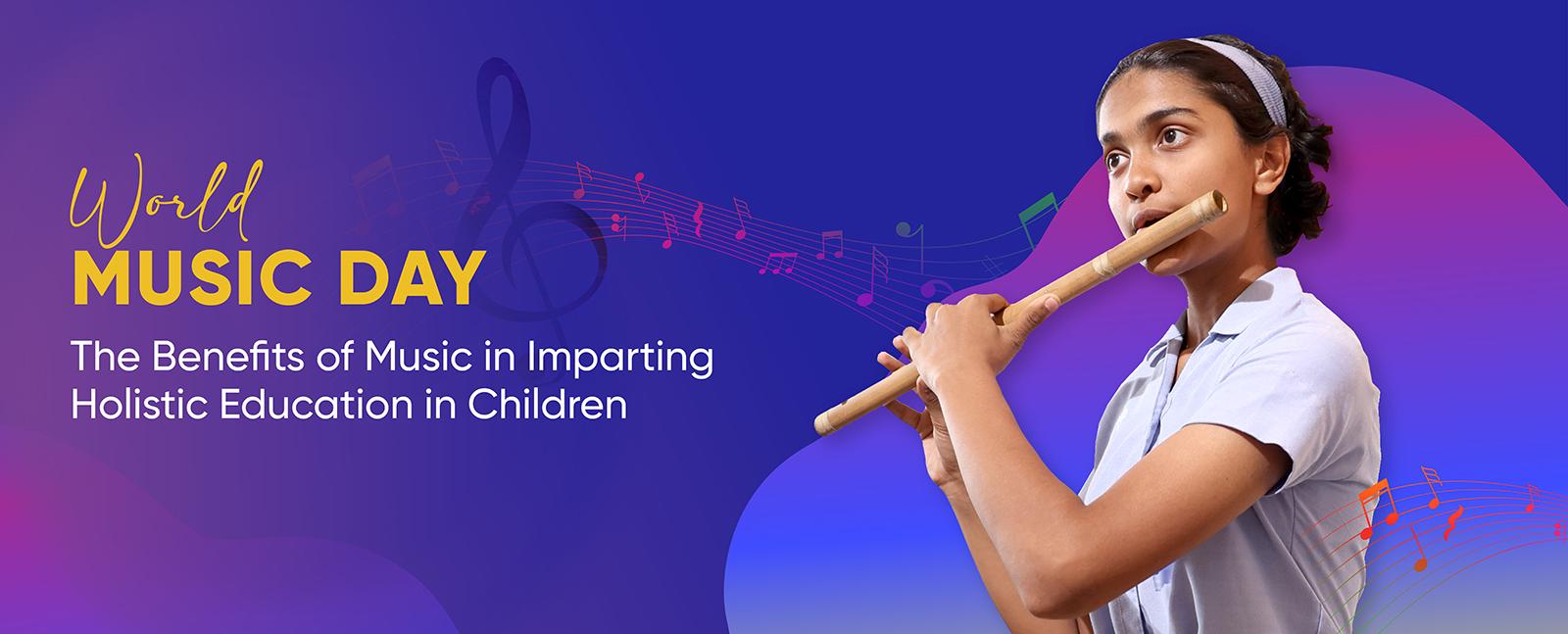
Music education plays a vital role in shaping students’ intellectual and personal development. In the United States, it is widely recognized as more than just an artistic subject. It contributes to academic achievement, emotional balance, and social growth. Students who engage in music learning often develop skills that support them throughout their lives. This article explains the benefits of music education in a clear and informative way.
Cognitive Development Through Music Education
Strengthening Memory and Brain Function
Music education activates multiple areas of the brain. Students learn to read notes, recognize patterns, and remember sequences. These activities improve memory and cognitive processing. Studies show that students involved in music often perform better in subjects that require strong recall and comprehension.
Enhancing Critical Thinking Skills
Learning music involves analyzing rhythm, tone, and structure. Students must understand how different elements work together. This process develops critical thinking skills. It also helps students approach problems in a logical and organized way.
Improving Focus and Attention
Practicing music requires concentration. Students must pay attention to timing, pitch, and technique. Regular practice improves their ability to focus on tasks. This skill is useful in both academic and everyday situations.
Academic Advantages of Music Education
Better Performance in Core Subjects
Music education supports learning in subjects like mathematics and language arts. Rhythm and timing relate to mathematical patterns. Reading music improves reading comprehension. Students who study music often show stronger academic performance.
Language and Communication Skills
Music enhances listening and speaking abilities. Singing and learning lyrics improve pronunciation and vocabulary. Students also develop better communication skills. These abilities help them express ideas clearly.
Encouraging Creativity and Innovation
Music education encourages creative thinking. Students explore different sounds and styles. They learn to express themselves in unique ways. Creativity developed through music can benefit many academic and professional fields.
Emotional and Mental Health Benefits
Expression of Emotions
Music allows students to express their feelings. It provides a healthy outlet for emotions. Students learn to understand and manage their emotional responses. This contributes to emotional intelligence.
Reducing Stress and Anxiety
Listening to or playing music can have a calming effect. It helps reduce stress levels. Students feel more relaxed and focused. This supports overall mental well-being.
Building Confidence and Self-Esteem
Learning music requires effort and practice. As students improve, they gain confidence. Performing in front of others also builds self-esteem. This confidence can carry into other areas of life.
Social Skills and Collaboration
Teamwork and Cooperation
Music often involves group participation. Students work together in bands, orchestras, or choirs. They learn to cooperate and support each other. This builds strong teamwork skills.
Improved Social Interaction
Music education helps students connect with others. Shared musical experiences create a sense of belonging. Students develop friendships and improve their social skills.
Cultural Awareness and Diversity
Music introduces students to differet cultures and traditions. They learn about various musical styles from around the world. This increases cultural awareness and appreciation for diversity.
Physical Development and Coordination
Motor Skill Improvement
Playing instruments requires precise movements. Students develop hand-eye coordination and fine motor skills. These physical abilities improve with regular practice.
Rhythm and Body Awareness
Music activities enhance rhythm and timing. Students become more aware of their body movements. This supports physical coordination and balance.
Long-Term Impact of Music Education
Career and Skill Development
Music education provides valuable life skills. Students learn discipline, patience, and time management. These skills are useful in many careers, not just in music-related fields.
Lifelong Engagement with Music
Music is a skill that students can enjoy throughout their lives. It offers relaxation and personal satisfaction. Many people continue playing or listening to music as a lifelong hobby.
Personal Growth and Discipline
Regular practice teaches commitment and responsibility. Students learn to manage their time effectively. These habits support long-term personal and professional success.
Importance of Music Education in the USA
Role in School Curriculum
In the United States, music education is included in many school programs. It is considered an important part of a well-rounded education. Schools aim to provide students with opportunities to explore music.
Community and Extracurricular Opportunities
Students can participate in music programs outside school. Community bands, orchestras, and events provide additional learning experiences. These activities strengthen community involvement.
Access and Educational Support
Efforts continue to improve access to music education. Schools and communities work to provide resources and opportunities. Equal access ensures that more students benefit from music learning.
Summary
The benefits of music education are wide-ranging and impactful. It supports cognitive development, academic success, emotional well-being, and social skills. In the USA, music education continues to play a key role in student growth. By learning music, students gain valuable skills that help them succeed in school and beyond.
FAQs
What are the key benefits of music education for students?
Music education improves memory, focus, creativity, and emotional health. It also enhances academic performance and social skills.
How does music education help in academic success?
Music strengthens cognitive abilities such as memory and problem-solving. These skills help students perform better in subjects like math and reading.
Is music education important in the USA school system?
Yes. Music education is considered an essential part of a balanced curriculum. It supports overall student development.
Can music education improve mental health?
Yes. Music helps reduce stress and anxiety. It also allows students to express emotions in a healthy way.
Does learning music improve social skills?
Yes. Group music activities teach teamwork, communication, and cooperation. These skills help students interact better with others.
What age is best to start music education?
Students can start learning music at any age. Early exposure is helpful, but it is never too late to begin.
Are there long-term benefits of music education?
Yes. Music education builds discipline, confidence, and creativity. These benefits support success in education and future careers.
Can music education lead to career opportunities?
Yes. It opens paths in performance, teaching, production, and other creative fields. It also builds skills useful in many professions.
Nach Verein filtern
Read More
In the world of design and production, few creations hold as much quiet influence as the Bottle Blowing Mould. It may seem like a simple component, yet within its crafted walls lies the ability to shape ideas into tangible, lasting forms. Each curve, each contour, is born from an understanding that beauty and precision must coexist. What begins as molten material becomes a vessel for...

When your home no longer fits your lifestyle, it doesn’t mean you have to move—it means it’s time to reimagine your space. At MGM Custom Homes & Remodeling, we specialize in helping homeowners fall back in love with their homes. Through professional Custom Home Remodeling Canton services and expert building solutions, we create spaces that are functional, beautiful, and...

Golf Equipment Market Overview The golf equipment market is driven by increasing participation in golf as a recreational and professional sport. Products such as golf clubs, balls, bags, apparel, and accessories are in high demand among amateur and professional players. Rising interest in sports tourism, growing disposable income, and the popularity of golf as a leisure activity are key...

Nickel Hydroxide Market growth forecast highlights production capacity, consumption patterns, and market trends. Nickel hydroxide is essential for NiMH and nickel-based batteries, energy storage systems, catalysts, pigments, and specialty chemicals. Rising electric vehicle adoption, renewable energy integration, and industrial expansion drive demand. Understanding supply and demand trends...

Polaris Market Research has announced the latest report, namely Drippers Market Size, Share, Trends, Industry Analysis Report: By Type (Inline and Online), Crop Type, and Region (North America, Europe, Asia Pacific, Latin America, and Middle East & Africa) – Market Forecast, 2025-2034, that examines the overall market condition both now and in the future. It provides...
