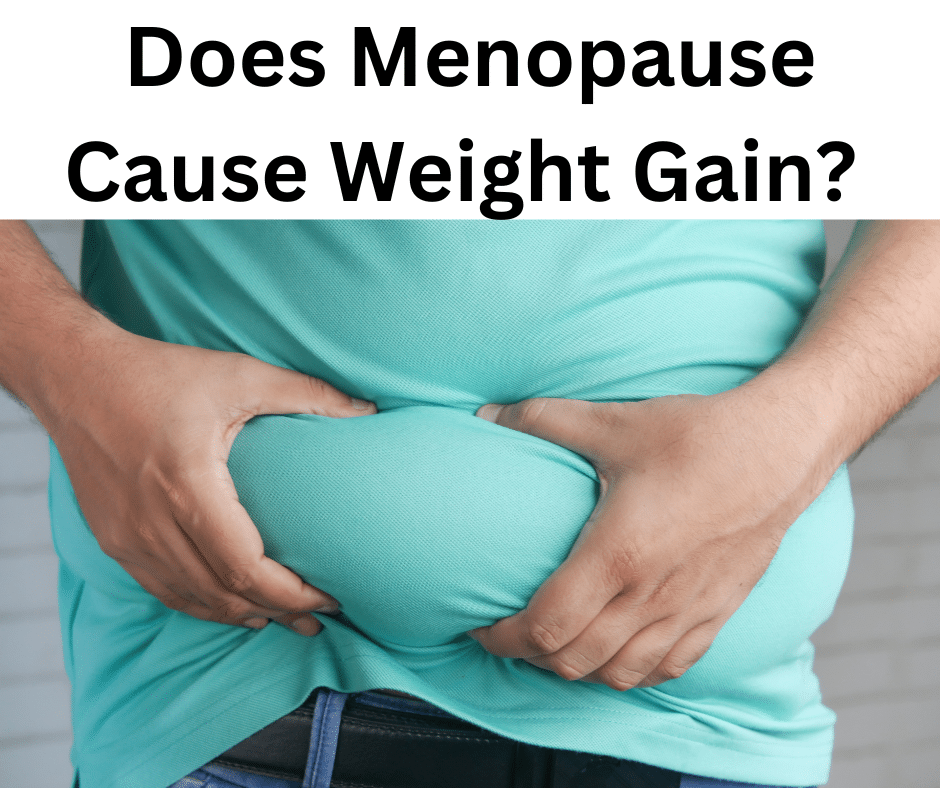
Does Menopause Cause Weight Gain?
Many women begin noticing changes in their body during midlife and often wonder, does menopause cause weight gain? Menopause is a natural stage in a woman’s life that brings hormonal changes, emotional shifts, and physical symptoms that can affect overall wellness. Weight gain during this period is common, especially around the abdomen, but it is not caused by menopause alone. Aging, slower metabolism, lifestyle habits, reduced muscle mass, stress, and hormonal fluctuations can all contribute to changes in body composition. At Align Health and Menopause, women are encouraged to understand these changes with confidence so they can make informed decisions about their health and wellness journey.
Why Do Hormonal Changes Affect Body Weight During Menopause?
Hormones play a major role in regulating metabolism, appetite, fat storage, and energy levels. During menopause, estrogen levels begin to decline, which can influence how the body stores fat. Many women notice that fat distribution changes from the hips and thighs to the abdominal area. Lower estrogen levels may also affect insulin sensitivity and make it harder for the body to process calories efficiently. These hormonal shifts can increase cravings, lower energy, and make maintaining a healthy weight more difficult than before. While these changes can feel frustrating, understanding the relationship between hormones and metabolism can help women create realistic health goals.
How Does Aging Impact Metabolism in Midlife?
Aging naturally slows the body’s metabolic rate, even in healthy individuals. Muscle mass gradually decreases with age, and because muscle burns more calories than fat, the body begins using energy less efficiently. This means women may gain weight even if their eating habits remain the same as they were in earlier years. Physical activity levels may also decline due to busy schedules, fatigue, or joint discomfort. Sleep disturbances, which are common during menopause, can further affect metabolism and appetite regulation. Align Health and Menopause focuses on educating women about these age related changes so they can adopt healthier habits that support long term wellness.
Can Stress and Sleep Problems Increase Weight Gain During Menopause?
Stress and poor sleep are often overlooked factors that contribute to weight gain during menopause. Women in midlife may experience increased responsibilities related to work, family, or caregiving, which can elevate stress hormones like cortisol. High cortisol levels are associated with increased belly fat and emotional eating. At the same time, menopause related sleep disturbances such as night sweats and insomnia can affect hunger hormones and increase cravings for sugary or high calorie foods. Lack of quality sleep may also reduce motivation for exercise and healthy meal preparation. Managing stress and improving sleep quality can play an important role in maintaining a healthy weight during this stage of life.
What Lifestyle Habits Can Help Women Maintain a Healthy Weight?
Healthy lifestyle habits are one of the most effective ways to manage weight during menopause. Regular physical activity helps preserve muscle mass, improve mood, and support metabolic health. Strength training and cardiovascular exercise are especially beneficial for women experiencing hormonal changes. Balanced nutrition also plays a key role in maintaining wellness. Choosing whole foods, lean proteins, healthy fats, fruits, vegetables, and fiber rich meals can help support energy levels and appetite control. Drinking enough water and reducing processed foods may also improve overall health. At Align Health and Menopause, women are encouraged to focus on sustainable habits rather than extreme dieting.
What Is a Medical Weight Management Program?
A Medical Weight Management Program is a structured and personalized approach designed to help individuals achieve healthier weight goals under professional guidance. Unlike quick fixes or restrictive diets, these programs often focus on long term wellness through nutrition support, exercise planning, metabolic assessments, and lifestyle counseling. Women going through menopause may benefit from medical supervision because hormonal changes can make weight management more complex. A customized plan may help identify underlying factors contributing to weight gain and provide support tailored to an individual’s health history and wellness needs.
Can Hormone Therapy Support Weight Management During Menopause?
Hormone therapy is sometimes discussed as part of menopause symptom management, especially for women experiencing hot flashes, sleep issues, mood changes, or low energy. Some women also explore Hormone Replacement Therapy And Weight Loss because balanced hormones may improve energy levels, sleep quality, and overall well being. While hormone therapy is not considered a direct weight loss treatment, it may help women feel better physically and emotionally, which can support healthier lifestyle choices. Women considering treatment options should always seek professional medical guidance to determine what approach aligns with their health needs and personal goals.
What Are Bioidentical Hormone Replacement Therapy Pellets?
Bioidentical Hormone Replacement Therapy Pellets are a form of hormone therapy designed to deliver hormones steadily over time through small implanted pellets. These pellets are often discussed as an option for managing menopause symptoms related to hormonal imbalance. Some women report improvements in mood, energy, and sleep after treatment, which may positively influence their ability to maintain healthy habits. Since every woman’s body responds differently, professional evaluation and monitoring are important when considering hormone related therapies. Align Health and Menopause provides educational support to help women better understand their options during menopause.
Why Is My Menstrual Cycle Getting Longer Before Menopause?
Many women ask, Why Is My Menstrual Cycle Getting Longer as they approach menopause. During perimenopause, hormone levels fluctuate unpredictably, which can affect ovulation and menstrual timing. Cycles may become longer, shorter, heavier, or more irregular than usual. These changes are often a normal part of the transition toward menopause. However, significant changes in bleeding patterns should still be evaluated by a healthcare provider to rule out other medical conditions. Understanding these early signs of hormonal transition can help women prepare for the physical changes that may follow in the years ahead.
Can a Woman Get Pregnant After Menopause?
A common question many women ask is, Can a Woman Get Pregnant After Menopause? Once a woman has officially reached menopause, meaning she has gone 12 consecutive months without a menstrual period, natural pregnancy is no longer possible because ovulation has stopped. However, during perimenopause, pregnancy can still occur because ovulation may happen irregularly even when periods become inconsistent. This is why women who do not wish to become pregnant are often advised to continue using contraception until menopause is confirmed by a healthcare provider.
How Can Women Build Confidence During Menopause?
Menopause is not just a physical transition. It can also affect emotional health, self confidence, and body image. Weight changes, fatigue, and hormonal fluctuations may leave some women feeling discouraged or disconnected from their bodies. Building confidence during this stage often involves focusing on overall wellness rather than appearance alone. Prioritizing movement, nutrition, stress management, sleep, and emotional support can improve quality of life and create a healthier mindset. Align Health and Menopause believes women deserve compassionate guidance and personalized care as they move through this important stage of life.
What Should Women Remember About Menopause and Weight Changes?
Women experiencing menopause should remember that body changes during midlife are common and manageable. Although hormonal shifts can influence metabolism and fat distribution, healthy habits still make a meaningful difference. Understanding how menopause affects the body allows women to take proactive steps toward maintaining strength, confidence, and long term wellness. With proper support, education, and lifestyle adjustments, women can continue feeling healthy and empowered during every stage of life. Align Health and Menopause is committed to helping women better understand their health and make informed choices that support overall well being.