


Nervous About an EGD test? Here’s Exactly What Happens During the Procedure
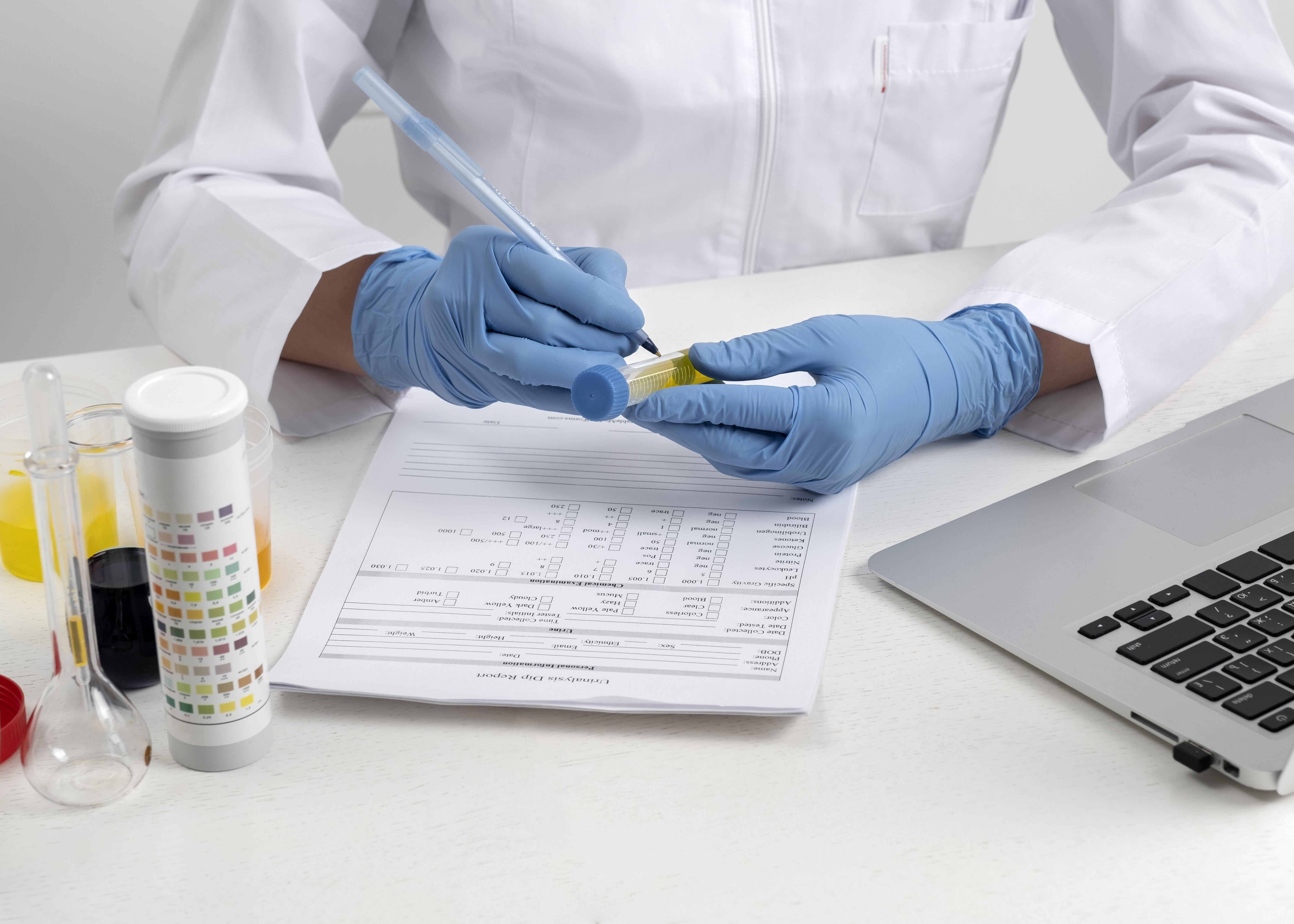
Feeling nervous before a medical procedure is completely normal, especially when you are told you need an egd test for the first time. The name itself sounds complex, and many patients imagine discomfort or pain simply because they don’t fully understand what will happen.
In reality, an egd test is one of the safest, quickest, and most commonly performed diagnostic procedures for evaluating upper digestive health. Most patients are surprised at how smooth and simple the entire experience actually is once they go through it.
This detailed guide explains everything in a real-world, step-by-step way so you know exactly what to expect before, during, and after the procedure.
Why Doctors Recommend an EGD test
Before understanding the experience, it helps to know why this test is needed.
An egd test is recommended when symptoms suggest problems in the upper digestive tract, including the esophagus, stomach, and the first part of the small intestine.
Doctors usually suggest it for:
- Long-term acid reflux or heartburn
- Difficulty swallowing food or liquids
- Persistent stomach pain
- Vomiting without clear reason
- Suspected internal bleeding
- Unexplained anemia
- Chronic nausea or bloating
- Monitoring known digestive conditions
Instead of guessing the cause, the egd test allows doctors to directly see what is happening inside the digestive system.
Understanding the Fear Around the Procedure
Most anxiety comes from imagination, not experience. Patients often worry about:
- Pain during insertion of the scope
- Gagging or choking sensation
- Fear of sedation
- Concern about internal injury
However, modern medical techniques have significantly reduced discomfort. The egd test is designed specifically to make the patient as relaxed and comfortable as possible.
Step 1: Arrival and Pre-Procedure Preparation
When you arrive for an egd test, the process begins in a calm and structured environment.
You will usually go through:
Basic Medical Checks
- Blood pressure
- Oxygen level
- Heart rate
- Medical history review
Fasting Confirmation
You must not eat for several hours before the test. This ensures the stomach is empty for clear viewing.
Explanation of Procedure
The medical team explains:
- What will happen step by step
- How sedation works
- How long the procedure takes
- What you may feel afterward
This step is important because it reduces anxiety significantly.
Step 2: Sedation – The Most Important Comfort Factor
Sedation plays a major role in how comfortable an egd test feels.
Most patients receive mild sedation through an injection that helps them relax and become drowsy.
What sedation does:
- Reduces awareness of the procedure
- Minimizes anxiety
- Suppresses gag reflex
- Creates a semi-sleep state
Most patients describe it as:
“I remember lying down… and then waking up when everything was done.”
This is why the experience is far easier than expected.
Step 3: Beginning of the EGD test Procedure
Once sedation takes effect, the procedure begins.
Positioning
You are gently placed on your side. A protective mouth guard is inserted to protect teeth and keep the mouth open safely.
Insertion of Endoscope
A thin, flexible tube with a high-definition camera is inserted through the mouth.
Important point:
You do NOT feel pain during this stage because sedation is active.
Step 4: Inside the Digestive Tract – What Actually Happens
The doctor slowly guides the camera through three main areas:
Esophagus
The first section is checked for:
- Acid damage
- Inflammation
- Narrowing
- Abnormal tissue
Stomach
The doctor examines:
- Stomach lining health
- Presence of ulcers
- Signs of gastritis
- Bleeding points
Duodenum (Upper Intestine)
This part is checked for:
- Ulcers
- Inflammation
- Absorption issues
The camera provides real-time images, allowing precise diagnosis during the egd test.
Step 5: Air Inflation for Better Visibility
A small amount of air is gently introduced to expand the digestive tract.
This helps:
- Improve visibility
- Detect small abnormalities
- Examine folds in tissue
After the procedure, this may cause mild bloating, but it is temporary and harmless.
Step 6: Biopsy (If Required)
If the doctor notices anything unusual, a small tissue sample may be taken.
This is done to check for:
- Infection
- Inflammation
- Precancerous changes
Because of sedation, patients do not feel this step during the egd test.
How Long Does an EGD test Take?
The actual procedure is very short.
- Usually 15 to 30 minutes
- Preparation and recovery take additional time
Most patients spend only a short duration in the procedure room itself.
Step 7: Recovery After the Procedure
Once the egd test is completed, sedation gradually wears off.
Immediate effects:
- Drowsiness
- Mild confusion for a short time
- Sore throat sensation
Within a few hours:
- Full alertness returns
- Light eating is usually allowed
- Normal activities can resume in most cases
What Patients Commonly Feel After the Test
Most patients are surprised that:
- The procedure was not painful
- It ended quickly
- They don’t remember most of it
- Recovery was easy
The fear beforehand is usually much higher than the actual experience.
What an EGD test Can Diagnose
This procedure helps identify several digestive conditions, including:
Acid-related conditions
- GERD
- Esophagitis
Stomach conditions
- Gastritis
- Peptic ulcers
Structural issues
- Hiatal hernia
- Narrowing of esophagus
Serious concerns
- Internal bleeding
- Abnormal tissue changes
Risks of an EGD test
Although generally very safe, minor risks include:
- Mild sore throat
- Temporary bloating
- Rare sedation reactions
- Very rare internal injury
Serious complications are extremely uncommon.
Tips to Make Your Experience Easier
To feel more comfortable before an egd test, you can:
- Follow fasting instructions strictly
- Ask questions beforehand
- Stay relaxed and avoid overthinking
- Inform doctor about allergies or medications
- Arrange someone to accompany you
FAQs
Is an EGD test painful?
No, sedation ensures most patients feel no pain during the procedure.
How long does recovery take?
Most people recover within a few hours and resume normal routine the same day.
Can I eat after an EGD test?
Yes, once throat sensation returns to normal, light food can be consumed.
Will I be awake during the test?
You will be sedated, so you will feel drowsy or asleep during most of the procedure.
Is the procedure safe?
Yes, an egd test is considered a very safe and routine diagnostic procedure.
Conclusion
An egd test may sound intimidating before the experience, but in reality, it is a simple, safe, and well-controlled medical procedure. With sedation, advanced equipment, and expert handling, patients usually feel minimal discomfort and recover quickly.
The real importance of the egd test is not the procedure itself, but the clarity it provides in diagnosing digestive issues early. Understanding what actually happens helps reduce fear and allows patients to approach it with confidence instead of anxiety.
Categorias
Leia Mais
Emergen Research has unveiled its highly anticipated market research report collection, created to provide businesses with actionable insights and data-driven strategies for growth. The reports explore critical market factors, including trends, competitive pressures, and demand-supply dynamics, allowing companies to anticipate changes and respond proactively. By combining detailed analyses with...

In today’s fast-paced foodservice industry, commercial kitchens require more than just ingredients—they need reliability, consistency, and partners they can trust. Whether operating a restaurant, hotel, catering business, or institutional kitchen, sourcing poultry from a professional commercial chicken supplier plays a critical role in maintaining food quality, operational...

Visa application for egypt: Traveling to Egypt visa requirements are an important part of trip preparation, as most foreign nationals need a valid entry visa to Egypt before passing immigration control. Whether traveling for tourism, business, or short-term visits, understanding visa to Egypt rules helps prevent entry refusal. Travelers may choose an Egypt tourist visa on arrival, apply for...

Once you become a member, the number of gear options expands dramatically. One of the first items most players should obtain is the Amulet of Glory. It provides accuracy, strength bonus, prayer bonus, and useful teleport options, making it one of RuneScape gold the most efficient early upgrades. Another useful item is the Combat Bracelet, which offers both accuracy and strength bonuses without...

The report titled “Global Industrial Wearables Market Share and Ranking, Overall Sales and Demand Forecast 2026–2033,” developed by Exactitude Consultancy, presents a detailed analytical assessment of the global Industrial Wearables Market market. Incorporating historical datasets from 2020–2024, the study constructs forecast models extending to 2033....