


Focused Brilliance: Navigating the Laser Welding Machine Market in 2026

The landscape of global manufacturing is currently witnessing a high-fidelity transformation, where the traditional sparks of arc welding are being replaced by the silent, focused precision of coherent light. As we navigate the midpoint of 2026, the laser welding machine market has emerged as a cornerstone of the "Industry 4.0" revolution. No longer a niche technology reserved for high-end aerospace labs, laser welding has become a mainstream industrial necessity. This shift is driven by a convergence of three critical factors: the explosive growth of the electric vehicle (EV) sector, the increasing affordability of high-power fiber lasers, and a global labor shortage that has made automated, high-speed joining non-negotiable. From handheld units used in small fabrication shops to multi-axis robotic cells in giga-factories, the market in 2026 is defined by a move toward "smart" welding—systems that don't just join metal, but monitor, adapt, and report in real-time.
The Fiber Laser Dominance
In 2026, the technology of choice is overwhelmingly the fiber laser. Holding a dominant share of the market, fiber laser welding machines have effectively marginalized older CO2 and Nd:YAG systems in most industrial applications.
-
Superior Beam Quality: Fiber lasers offer a high-intensity focal spot that allows for deep-penetration "keyhole" welding with minimal heat-affected zones. This precision is vital for the electronics and medical device sectors, where thermal distortion can ruin delicate internal components.
-
Energy Efficiency: Modern fiber systems in 2026 operate with wall-plug efficiencies exceeding 40%, a drastic improvement over legacy technologies. For large-scale manufacturers, this translates to significantly lower operational costs and a smaller carbon footprint.
-
Wobble Technology: A standout feature of 2026 models is integrated "wobble" heads. By oscillating the laser beam at high frequencies, these machines can bridge wider gaps in parts with imperfect fit-up, effectively solving one of the historically greatest challenges of laser welding.
The Automotive Pulse: EVs and Lightweighting
The automotive sector remains the primary engine of market growth in 2026. The transition to electric mobility has necessitated a radical change in how vehicles are assembled.
EV battery modules, which require thousands of high-integrity electrical connections, are almost exclusively welded using lasers. High-speed scanners can now perform thousands of "stitch" welds per minute on battery tabs with zero contact, ensuring the thermal stability and electrical conductivity required for long-range performance. Furthermore, the push for lightweighting has led to the increased use of aluminum alloys and ultra-high-strength steels. Laser welding allows for the joining of these dissimilar or sensitive materials with a strength-to-weight ratio that traditional spot welding simply cannot match, enabling the production of safer, more efficient vehicles.
The AI and Robotics Integration
The defining characteristic of the 2026 market is the "intelligence" of the hardware. The industry has moved beyond pre-programmed paths toward adaptive, AI-driven autonomy.
-
Native AI Vision: 2026-era robotic welding cells are equipped with high-speed cameras and AI algorithms that "see" the weld seam in real-time. If a part is slightly misaligned or a seam gap varies, the robot adjusts its path and laser parameters millisecond-by-millisecond to ensure a perfect bead.
-
In-Line Quality Monitoring: Systems now utilize Optical Coherence Tomography (OCT) to measure weld depth and quality as the weld is being made. This "real-time NDT" (non-destructive testing) eliminates the need for post-process inspections, drastically reducing scrap rates in high-volume production lines.
-
Collaborative Robots (Cobots): For small and medium enterprises (SMEs), 2026 has seen the rise of the laser-welding cobot. These systems allow human operators to "teach" the robot a path by hand, bringing the benefits of automation to low-volume, high-mix fabrication shops without the need for complex coding.
Handheld Revolution: Flexibility at the Bench
While massive automation dominates the headlines, the growth of the handheld laser welding segment in 2026 cannot be ignored. These portable units, often no larger than a standard MIG welder, have revolutionized the repair and custom fabrication industries.
Handheld laser welders are up to four times faster than TIG welding and require significantly less skill to operate. In a world where certified welders are increasingly hard to find, these machines have allowed semi-skilled operators to produce aesthetic, structural welds on stainless steel and aluminum with minimal training. The 2026 models have addressed previous safety concerns with advanced interlocking sensors and lightweight, air-cooled designs that make them more accessible than ever.
Conclusion: Welding the Future
As we look toward the 2030 horizon, the laser welding machine market stands as a testament to the power of concentrated energy. By reinventing the joining process through fiber optics, AI-driven adaptability, and a commitment to energy efficiency, the industry has insured global manufacturing against the limitations of traditional methods.
The welding cell of 2026 is no longer a site of grit and manual labor; it is a high-fidelity laboratory of light. Through the synergy of smart policy, private sector innovation, and a global push for precision, laser welding is successfully building a future that is lighter, stronger, and more sustainable—one micron-perfect seam at a time. Whether it is the microscopic weld on a heart pacer or the structural seam of a spacecraft, laser technology remains the brilliant, vital thread holding the modern world together.
Explore additional reports to understand evolving market landscapes:
market share crystalline silicon solar modules 2026
market share crystalline silicon solar panels
Категории
Больше
Polaris Market Research has introduced the latest market research report titled In Vitro Diagnostics Quality Control Market Share, Size, Trends, Industry Analysis Report – By Product & Services, Technology, Manufacturing Type, End User, and Region; Segment Forecast, 2024–2032 that highlights the major revenue stream for the forecast period. The report contains clear,...

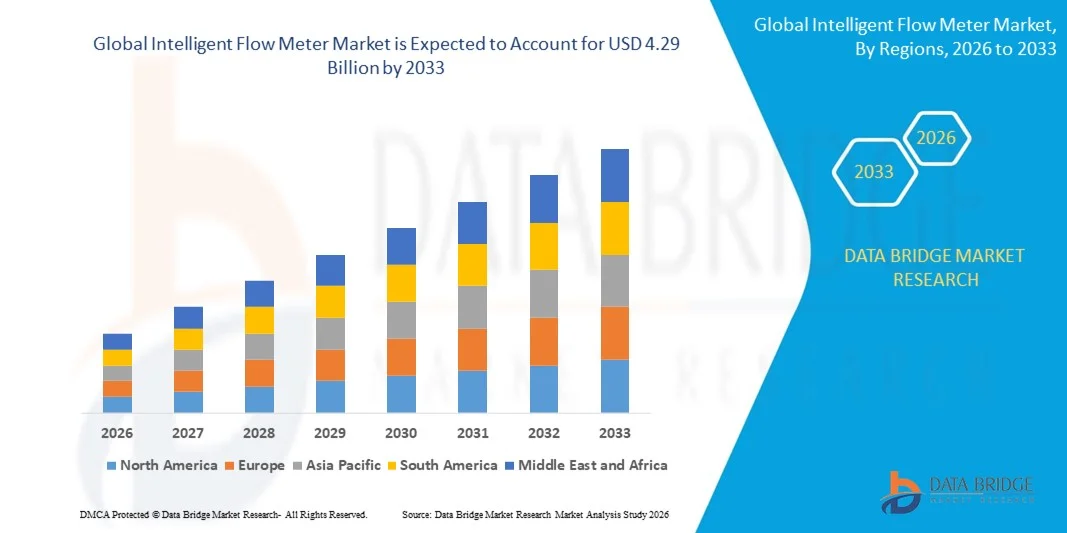
"Future of Executive Summary Intelligent Flow Meter Market: Size and Share Dynamics CAGR Value The global intelligent flow meter market size was valued at USD 3.09 billion in 2025 and is expected to reach USD 4.29 billion by 2033, at a CAGR of 4.20% during the forecast period The Intelligent Flow Meter business document lists and studies the leading...
In busy hospitality environments, table setup is not just about appearance. It directly impacts service efficiency, hygiene, and overall dining experience. This is why many businesses focus on selecting the right stainless steel table essentials for daily operations. Why Stainless Steel Is Widely Used? Stainless steel has become a preferred choice in restaurants, hotels, and catering setups...

The gambling industry hasn’t slowed down. If anything, competition has intensified. More operators are entering emerging markets, established brands are expanding aggressively, and affiliates are competing for increasingly expensive traffic. At the same time, compliance restrictions have tightened. Major platforms limit visibility. Accounts are flagged quickly. Creative approvals are...

The creative project presented on the domain pollypenrose com in the work titled “I Was Never Great at Yoga” reflects a Unique and thoughtful exploration of the human body, movement, and personal expression through photography. The idea behind this artistic work focuses on the indisputable fact that your body does not always have to comply with traditional standards of grace,...