Common Applications of Benchtop Microcentrifuges in Research and Clinical Labs
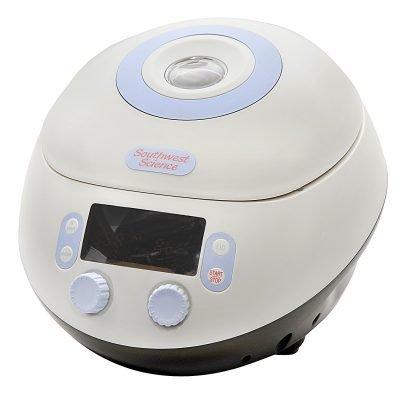
In many laboratories, speed and accuracy matter just as much as precision. This is where a benchtop microcentrifuge quietly becomes one of the most frequently used instruments. Whether it is a small research lab or a busy clinical setup, this compact machine helps scientists separate, process, and prepare samples in a matter of seconds.
You might see a personal microcentrifuge sitting on a lab bench almost all day, running short cycles repeatedly. That is because its applications are not limited to one type of test. Instead, it supports a wide range of everyday lab work that depends on quick and reliable sample separation.
This blog will explore the most common ways these instruments are used in real lab environments.
Sample Preparation in Molecular Biology
One of the most important uses of a benchtop microcentrifuge is in molecular biology workflows. Before DNA or RNA analysis begins, samples need proper preparation. This is where centrifugation becomes essential.
In simple terms, the machine helps separate components based on density. For example, when working with cell samples, the heavier parts move to the bottom while lighter fluids stay on top.
Common tasks include:
● Spinning down DNA or RNA samples after extraction
● Collecting droplets from tube caps after mixing
● Separating cellular debris from liquid samples
Without this step, many downstream processes like PCR or sequencing would not work efficiently.
Clinical Sample Processing
In clinical labs, speed and consistency are critical. A benchtop microcentrifuge is often used to prepare blood, urine, and other body fluid samples for testing.
Although blood work usually involves specific protocols and compatible tubes, centrifugation still plays a key role in separating components such as plasma or serum.
Typical applications include:
● Preparing serum for biochemical tests
● Separating plasma from blood samples
● Clearing urine samples before microscopic analysis
These small but essential steps help ensure test results are accurate and reliable.
Protein and Enzyme Research
Researchers working in biochemistry and biotechnology often rely on centrifugation to isolate proteins and enzymes. A personal microcentrifuge is especially useful for quick spin-downs during experiments.
For example, after mixing reagents in small tubes, centrifugation helps bring all liquid to the bottom so reactions occur evenly.
Common uses include:
● Collecting protein precipitates
● Clearing lysates after cell disruption
● Preparing samples for enzyme activity tests
Even small delays or inconsistencies in sample handling can affect results, so this step is very important.
DNA and Genetic Research Applications
Genetic research depends heavily on precise sample handling. A benchtop microcentrifuge helps in almost every stage of DNA-related work.
It supports tasks like:
● Purifying DNA after extraction
● Removing contaminants from genetic samples
● Spinning down PCR tubes before thermal cycling
Researchers often run short spins between steps to ensure everything is properly mixed and settled. This improves both accuracy and reproducibility in experiments.
Cell Culture Workflows
In cell biology labs, maintaining healthy cell cultures requires careful handling. Centrifugation is used when cells need to be washed, concentrated, or separated from growth media.
Common applications include:
● Pelleting cells after culture growth
● Washing cells to remove unwanted media
● Preparing samples for further analysis or storage
A benchtop microcentrifuge makes these steps faster and reduces handling time, which is important for maintaining cell integrity.
Routine Laboratory Tasks
Not all centrifuge use is complex. In fact, many daily lab routines depend on quick spins that may seem small but are essential for smooth workflow.
A personal microcentrifuge is often used for:
● Spinning down droplets after pipetting
● Mixing reagents quickly and evenly
● Preparing small sample batches for testing
These simple applications save time and help maintain consistency across experiments.
Why These Instruments Matter in Everyday Lab Work
What makes a benchtop microcentrifuge so valuable is its flexibility. It is not limited to one discipline. Instead, it supports multiple areas like biology, chemistry, and clinical diagnostics.
Its advantages include:
● Fast sample processing
● Compact design for bench use
● Easy operation for repeated cycles
● Reliable performance for small-volume samples
Because of these features, it has become a standard tool in most modern labs.
In Closing:
Across research and clinical environments, centrifugation remains a basic but essential step in sample handling. Whether it is DNA purification, blood separation, or routine spin-downs, the benchtop microcentrifuge plays a steady role in ensuring work moves efficiently.
For many scientists and technicians, it is not just another instrument. It is a daily support system that keeps experiments moving without interruption.
Categorii
Citeste mai mult
Ensuring fire safety is one of the most important responsibilities for property owners. Fires can break out unexpectedly in homes, offices, or industrial facilities due to electrical malfunctions, human error, or environmental hazards. Fire Alarm System Installation Services in Montgomery County PA provide expert solutions to equip buildings with reliable detection and alert systems. A...

Season 12 Premiere and Access Guide Season 12 of The Curse of Oak Island starts on November 12 at 9:00 PM ET (6:00 PM PT). There are 10 episodes, released weekly across the season and running into early next year. You can watch episodes live when they air or stream them later on demand. If you haven’t watched earlier seasons, they’re available to stream as well — check the...

"Middle East and Africa Chinese Hamster Ovary (CHO) Cells Market Summary: According to the latest report published by Data Bridge Market Research, the Middle East and Africa Chinese Hamster Ovary (CHO) Cells Market The Middle East and Africa Chinese Hamster Ovary (CHO) Cells Market was valued at USD 27.05 Million in 2032 and is expected to reach USD 13.18 Million by...

In terms of contemporary plumbing, heating ventilation and industrial piping systems, the selection of an appropriate supplier is essential to the performance of the final product and its safety during the long run. Rawabi Al Mahfar is a reputable supplier of Pipe Tubes Supplier in Saudi Arbia and supplier of pipe tubes in Saudi Arabia and provider of high quality piping solutions to...
Benefits of Using Certification Exam Preparation Material Certification exams help people grow in their careers. They help you get better jobs. They also help you earn more money. Many students want to pass the JavaScript-Developer-I exam on the first attempt. This exam is offered by Salesforce. However, exam preparation can feel difficult. There are many books to read and many topics to cover....