Innovative Chronic Care Management Strategies Drive Better Outcomes in Modern Healthcare Practices
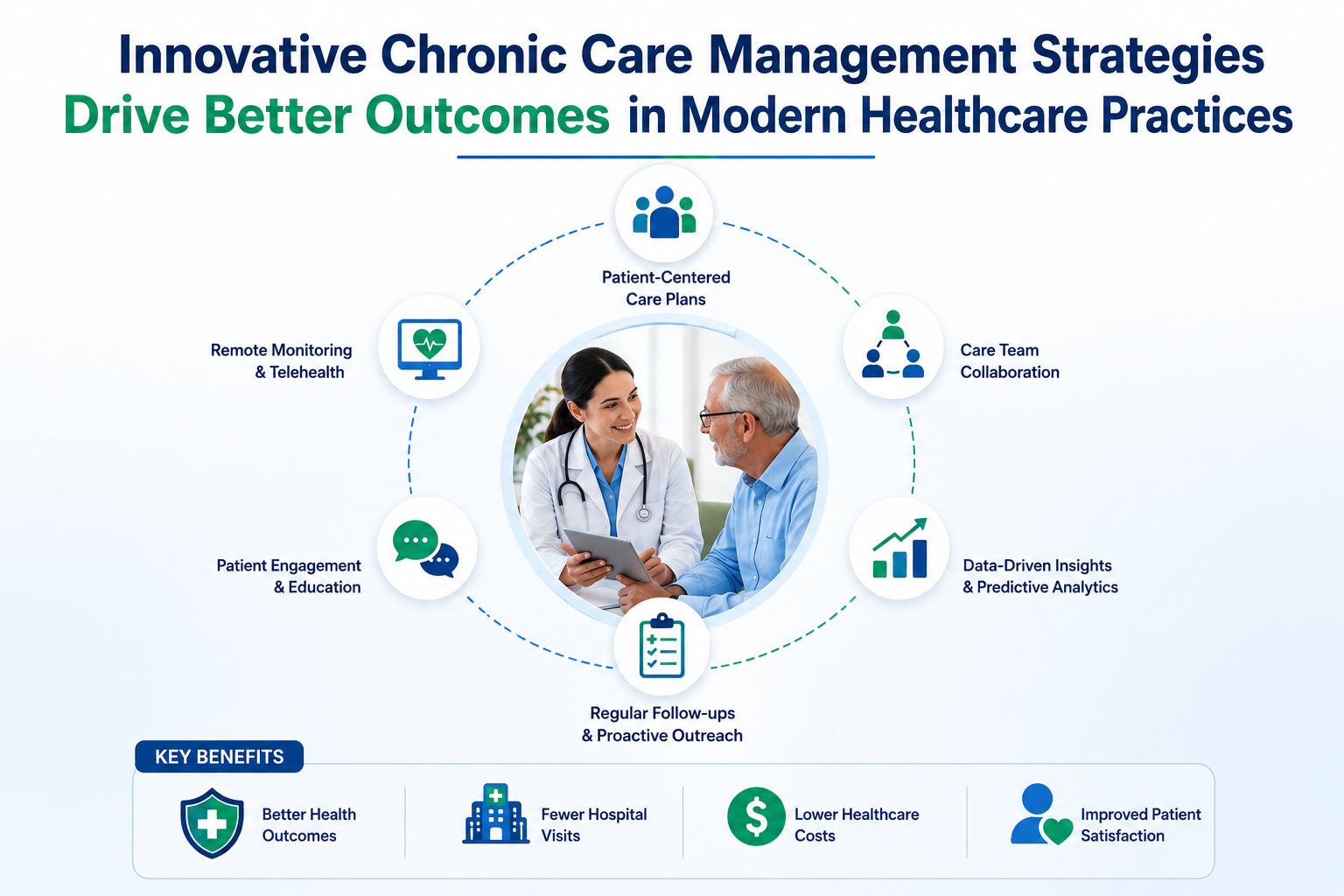
Chronic diseases such as diabetes, heart disease, and hypertension remain leading causes of morbidity and healthcare costs worldwide. For healthcare practices aiming to deliver high-quality, patient-centered care, adopting effective chronic care management strategies is more essential than ever. HealthArc, a leader in digital health solutions, highlights the latest approaches transforming chronic care management in today’s evolving healthcare landscape.
Understanding Chronic Care Management
Chronic care management refers to a comprehensive approach to treating patients with one or more chronic conditions. This process focuses on proactive, coordinated care that extends beyond the traditional office visit. Effective chronic care management enables healthcare practices to track patient progress, intervene early, and empower patients to take charge of their health.
Key Strategies for Effective Chronic Care Management
To meet the complex needs of patients with chronic illnesses, healthcare organizations must implement a variety of strategies. The following methods help practices optimize chronic care management and improve patient outcomes:
Patient-Centered Care Planning
Developing individualized care plans tailored to each patient’s unique needs and preferences
Setting measurable goals for disease management and lifestyle modifications
Regularly reviewing and adjusting care plans based on patient progress and feedback
Interdisciplinary Care Teams
Collaborating across disciplines—including physicians, nurses, dietitians, and behavioral health specialists
Ensuring seamless communication and coordination among care team members
Leveraging case managers or care coordinators to monitor patient progress and address barriers to care
Remote Patient Monitoring
Utilizing digital tools and connected devices to track vital signs, medication adherence, and symptoms in real time
Providing timely interventions based on remote monitoring data, reducing hospital readmissions and emergency department visits
Enabling patients to participate actively in their care from home
Data-Driven Decision Making
Implementing electronic health records (EHRs) to maintain comprehensive patient histories
Using analytics to identify trends, predict risks, and personalize interventions
Measuring outcomes to refine chronic care management strategies and demonstrate value
Patient Education and Engagement
Providing ongoing education about disease processes, self-management techniques, and treatment options
Encouraging patients to set achievable health goals and make informed lifestyle choices
Using digital platforms to deliver educational content and facilitate communication
The Role of Technology in Chronic Care Management
Technology plays a pivotal role in modern chronic care management. Healthcare practices leverage digital solutions to streamline workflows, enhance communication, and collect actionable data. Key technological advances include:
Telehealth platforms that facilitate virtual visits and follow-ups
Mobile apps for medication reminders, symptom tracking, and secure messaging
Wearable devices for continuous monitoring of vital signs and physical activity
Automated alerts and decision support systems to prompt timely interventions
Challenges and Opportunities
Despite these advances, healthcare organizations face challenges in implementing chronic care management strategies. Barriers include data interoperability issues, limited reimbursement, and resource constraints. However, opportunities abound for practices that embrace innovation and patient-centered care.
Integrating chronic care management into everyday practice enhances care coordination, reduces avoidable hospitalizations, and improves patient satisfaction. By focusing on collaboration, technology, and education, healthcare teams can address the growing burden of chronic disease and deliver better outcomes for patients.
Looking Ahead: The Future of Chronic Care Management
As healthcare systems continue to shift toward value-based care, chronic care management will remain a top priority. Emerging trends include:
Expansion of remote monitoring and home-based care
Greater use of artificial intelligence and predictive analytics
Personalized medicine approaches tailored to genetic, environmental, and lifestyle factors
Enhanced interoperability between health information systems
Healthcare practices that prioritize chronic care management and embrace these innovations will be better positioned to succeed in an increasingly complex healthcare environment.
About HealthArc
HealthArc is committed to supporting healthcare practices with innovative solutions for chronic care management. By empowering care teams with technology and expertise, HealthArc drives improvements in patient engagement, outcomes, and operational efficiency.
For more information about chronic care management strategies and how HealthArc is transforming patient care, visit our website or contact our team today.
Categorii
Citeste mai mult
Maintaining a clean environment goes beyond regular dusting and mopping. Over time, dirt, bacteria, and hidden grime accumulate in corners, behind furniture, inside cabinets, and in high-touch areas. That’s why professional deep cleaning services in Qatar are essential for ensuring a truly hygienic and refreshed space. Deep cleaning is a detailed and intensive process designed to target...

When life takes an unexpected turn and someone gets hurt, it can be confusing to know what steps to take. Personal injury claims exist to help people receive compensation for injuries caused by accidents, negligence, or unsafe conditions. Understanding the different practice areas in personal injury claims can make the process easier and help you protect your rights. What Are Personal Injury...

Here is a structured sulfuric acid market analysis with company references and quantified insights: 🌍 Sulfuric Acid Market Overview Global market size: ~USD 14.4 billion (2025) → projected USD 21.1 billion by 2033 (CAGR ~5%) Highly linked to fertilizers, mining, and chemical processing industries https://www.brainyinsights.com/en/reports/sulfuric-acid-market-53545 🏢...

In today’s fast-growing digital world, users are always searching for reliable platforms where they can explore apps, gaming updates, and useful tools. One such platform that is gaining popularity is zonapk . It offers a wide range of content for users who want to stay updated with the latest trends in mobile apps, gaming features, and digital resources. Whether you are a gamer, a tech...

In today’s fast-moving world, transportation needs don’t follow a fixed schedule. Whether it’s an early morning airport run, a late-night ride home, or an urgent trip across town, Taxi Services that operate 24/7 are essential. With round the clock taxi availability and reliable late night cab service, passengers can travel anytime with confidence, comfort, and peace of...