


Adu Homes Smart Design and Profitable Rental Strategies
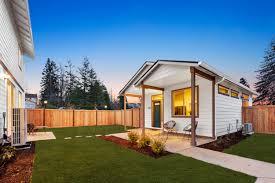
You can add a self-contained living space on your property that increases flexibility, potential rental income, and options for multi-generational living without moving your household. ADU homes provide a compact, independent living solution—complete with its own entrance, kitchen, bath, and sleeping area—that fits on the same lot as your primary house. This article walks you through the practical choices that shape ADU design, the common types you can build, and what to expect from zoning, permits, and construction so you can plan realistically and move forward with confidence. Explore how layout, size, and local rules will affect cost, timeline, and the living experience to decide which ADU homes approach suits your goals.
Types and Design Considerations
You’ll decide between a separate structure or one connected to the primary home, and then layout the interior to balance privacy, function, and code requirements.
Detached vs. Attached Units
A detached ADU stands alone on your lot and gives full privacy for tenants or family. You can place it to maximize sunlight, create a private yard, and design a separate entrance and utility metering. Expect higher site-prep and foundation costs, plus stricter setback and height rules from local zoning. An attached ADU uses shared walls or additions to the main house, typically costing less for foundation and utilities. It’s easier to hook into existing HVAC, plumbing, and electrical, but you must plan soundproofing and independent access to preserve privacy. Check easements, fire separation, and whether the addition changes your home’s footprint for permit review.
Considerations table:
- Size: Detached up to local max (often ~1,200 sq ft); attached often smaller.
- Privacy: Detached = high; attached = moderate with design treatment.
- Cost: Detached > attached (site + foundation).
- Permits: Both require review; detached may trigger additional site standards.
Interior Layout Optimization
Arrange a compact but functional floor plan that includes a full kitchen, bathroom, sleeping area, and storage. Prioritize an open living/kitchen zone to improve usable square footage and allow flexible furniture layouts. Use built-in storage, lofted beds, and pocket doors to save circulation space. Place wet walls (kitchen/bath) adjacent or stacked to the primary house when possible to reduce plumbing runs and costs. Plan for natural light—skylights or clerestory windows work well on narrow lots. Design HVAC and electrical with future adaptability in mind: separate meters if you plan to rent, and conduit access for upgrades to heat pumps or EV charging.
Zoning, Permitting, and Construction Process
You need to confirm zoning allowances, secure permits, and follow an organized construction sequence. Expect site reviews, inspections, and coordination with designers and contractors.
Navigating Local Regulations
Check your municipal zoning map and the local zoning code for ADU-specific rules like maximum unit size, height limits, and required setbacks. Some cities allow detached ADUs, attached additions, or basement conversions; others limit occupancy or owner-occupancy requirements. Prepare these documents early: site plan, floor plans, structural details, and utility connection plans. Ask the planning department whether pre-approved ADU plans exist—using one can shorten review time and reduce design costs. Confirm fee waivers or reduced permit fees; many jurisdictions now offer ADU incentives. Track timelines for planning review, building permit review, and any public notices so you can plan financing and contractor scheduling.
Building Timeline and Key Steps
Start with a feasibility assessment that checks lot coverage, grading, utilities, and sewer capacity. Hire an architect or ADU specialist to produce permit-ready drawings and an engineer for structural or grading needs. Typical milestones: permit application → permit approval → site prep and foundation → framing and roofing → rough-in utilities → insulation and drywall → finishes → final inspections and occupancy sign-off. Expect 8–12 months for most projects, longer for major site work or complex reviews. Schedule inspections at foundation, framing, and final stages and coordinate utility hookups early to avoid delays. Keep a checklist of permit conditions and inspection dates so you can address issues promptly.
Categorii
Citeste mai mult
Jai Club Win: An Informational Guide to the Platform, Account Access, Features, and Online Safety Introduction Jai Club Win is a name that users may encounter while searching for online gaming platforms. Many people look for information about its registration process, login options, available features, account management, and general user experience. Before using any online platform that...

Football is one of the most popular sports in the world, and millions of fans want to stay updated with every match, goal, and result. Whether it is a major international tournament or a small local league, keeping track of everything can be challenging. This is where Keonhacai becomes incredibly useful. Keonhacai is a dedicated website designed to provide detailed and continuously updated...

With Solve Zone's custom answers for NMIMS Solved Assignment Dec 2025, you can unlock the door to academic success! As a top student at NMIMS University, if you're looking for a way to improve your assignments, you don't need to look any further. Just get in touch with Solve Zone for the best help at the best prices. The Benefits of Purchasing NMIMS Solved Assignments from Solve Zone: Made...

The global Military Airborne Radar market is experiencing significant growth, driven by escalating geopolitical tensions, the imperative for air superiority, and rapid advancements in radar technologies. These sophisticated systems, mounted on fighter jets, surveillance aircraft, drones, and helicopters, are critical for detecting, tracking, and engaging targets across vast distances, providing...
The global facial recognition market size was valued at approximately USD 5.2 billion in 2024 and is projected to reach USD 8.3 billion by 2032, growing at a CAGR of 7.0% during the forecast period (2024–2032). The global business landscape is undergoing a transformation, with industries increasingly leaning on deep research and actionable insights to make...