Ceramic Facade: Durable, Sustainable Cladding Solutions for Modern Buildings
Ceramic facades give your building a durable, low-maintenance exterior that also expands design possibilities with color, texture, and large-format panels. You gain weather resistance, thermal performance, and design flexibility in a single cladding system that works with rainscreen, ventilated, and insulated wall assemblies.Expect a practical look at how ceramic panels attach to subframes, influence energy performance, and meet durability standards, plus examples of contemporary applications that show why architects choose ceramic for both feature walls and full-building envelopes.
Technical Aspects of Ceramic Facades
You will learn the main system types, their measurable performance traits, and the common installation methods that impact durability and maintenance. Focus rests on material behavior, thermal and fire performance, and fixing systems that affect long-term performance.
Types of Ceramic Cladding Systems
Ceramic systems commonly fall into three groups: ventilated rainscreen panels, adhered/bed-mounted tiles, and prefabricated ceramic cassette panels. Ventilated rainscreens use an air cavity behind the ceramic to decouple weathering from insulation and allow controlled drainage and drying. Adhered systems glue or mortar tiles directly to a substrate; they suit low-rise or refurbishment projects where weight and cavity depth are limited. Cassette panels are factory-mounted ceramic units fixed to metal subframes; they allow larger panel sizes and precise tolerances for expressive façades.Choose based on weight, panel size, and access for replacement. Ventilated systems handle thermal movement and moisture best. Adhered systems reduce depth but increase risk of water seepage if detailing is poor.
Performance Characteristics
Ceramic offers high compressive strength, abrasion resistance, and freeze–thaw durability when specified as porcelain or vitrified stoneware. Expect very low water absorption (<0.5% for porcelain), which improves frost resistance and reduces staining. Fire performance is strong: ceramic panels are inherently non-combustible and suitable for façades where non-combustibility is required.Thermal behavior: ceramic itself has moderate conductivity; system performance depends on cavity, insulation, and anchorage details. Acoustic isolation improves with cavity depth and insulation. Long-term color stability and UV resistance are excellent for glazed ceramics; choose appropriate surface finishes to control reflectance and maintenance frequency.
Installation Methods
Install methods vary by system: ventilated façades use a corrosion-resistant subframe (aluminum or stainless steel), adjustable anchors, and mechanical clips or hangers. You must design anchors to allow differential movement and provide fire-stopping at floor lines. For adhered tiles, use polymer-modified mortars, continuous waterproofing membranes, and movement joints to prevent cracking.Cassette systems require factory fabrication with integrated fixings, often bolted to rails that transfer loads to the primary structure. All methods demand precise tolerances, use of compatible fasteners for thermal expansion, and detailing at windows, corners, and penetrations to maintain weather tightness. Regular inspection of fixings and sealants extends service life.
Design Applications and Contemporary Trends
Ceramic façades combine durable cladding systems with a wide palette of finishes and modular geometries. You can expect options that address thermal performance, weather resistance, maintenance, and visual identity without sacrificing constructability.
Architectural Integration
You can integrate ceramic panels as ventilated rainscreens, load-bearing cladding, or operable shading elements depending on performance needs. Ventilated systems typically layer ceramic panels over an air cavity and insulation, improving thermal control and reducing condensation risk. Anchoring methods vary: point-fix stainless steel brackets for large-format panels, rail-and-clamp systems for modular tiles, and mortar or adhesive for thin-panel retrofit applications.Consider structural tolerances and movement joints during design to prevent cracking; ceramics tolerate compression well but need flexible connections for thermal expansion. Use prefabricated modules to speed installation on high-rise projects and to ensure consistent joint gaps and panel alignment. You can also combine ceramics with glass, metal, or terracotta to create contrast or transition zones at entrances and podiums.
Color and Texture Options
You will find ceramics available in glazed, engobed, unglazed (sintered/porcelain), and textured clay finishes, each affecting maintenance and solar reflectance. Glazed panels offer vivid, uniform color and a protective surface, while sintered porcelain gives low porosity and high abrasion resistance, suitable for areas exposed to pollution. Unglazed finishes give natural matte tones and age gracefully with minimal maintenance.Texture choices range from smooth polished surfaces to ribbed, fluted, or hand-formed textures that influence shadow and rain shedding. Colorfastness depends on firing temperature and pigment chemistry; specify UV-stable glazes or vitrified bodies for long-term color retention. Use sample panels exposed on-site when possible to evaluate appearance under local daylight and pollution conditions.
Κατηγορίες
Διαβάζω περισσότερα
Warner Bros is advancing a project called Cicero, focusing on Capone's early years. Penn's potential casting as Mickey Cohen is generating significant buzz. Director David Yates may join after finishing the final Harry Potter film. The studio confirms no official talks have occurred yet. Both projects highlight Warner Bros' interest in classic crime narratives. What are the Harry Potter Movies...

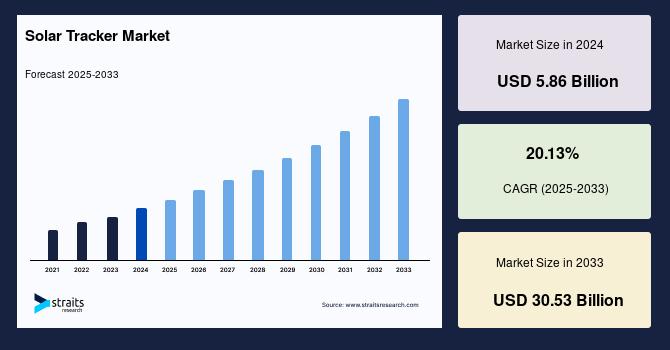
The global solar tracker market size was valued at USD 5.86 billion in 2024 and is projected to reach from USD 7.04 billion in 2025 to USD 30.53 billion by 2033 at a CAGR of 20.13% from 2025 to 2033. Understanding Solar Trackers A solar tracker is a technology designed to orient solar panels to the sun’s position throughout the day,...
Painting is more than just applying colors to walls or surfaces; it is an art that can transform spaces, inspire emotions, and bring a sense of peace. In the charming surroundings of Bernardston, MA, mindful painting has become a meaningful approach that combines creativity with awareness. Whether it is refreshing a home interior, improving an exterior appearance, or creating artistic...

"Latest Insights on Executive Summary Foot and Ankle Allografts Market Share and Size Data Bridge Market Research analyses that the market is growing with a CAGR of 9.3% in the forecast period of 2022 to 2029 and is expected to reach USD 1,349.49 million by 2029 from USD 648.05 million in 2021. This quality Foot and Ankle Allografts report is structured with full commitment and...

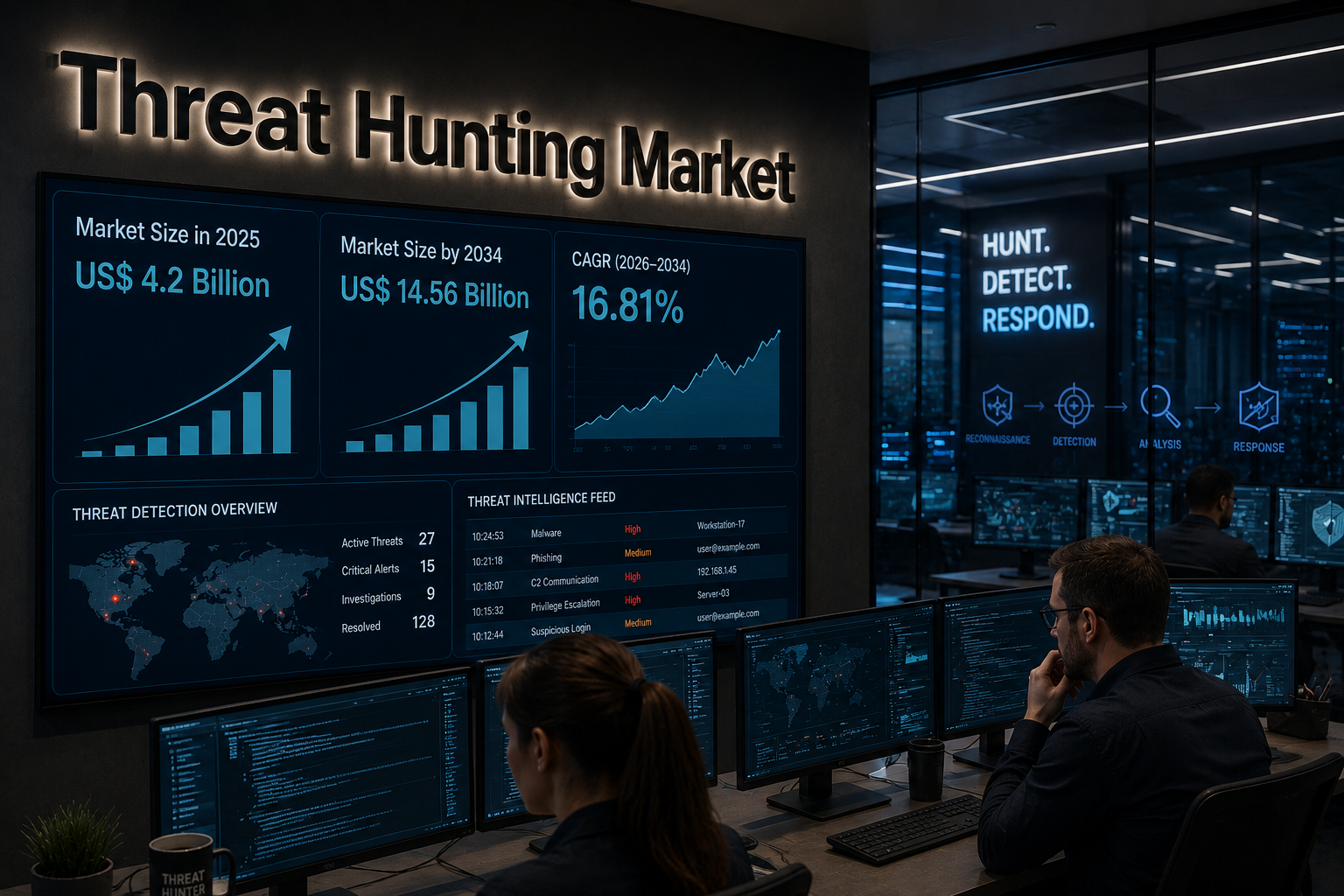
Threat hunting solutions have become an essential component of modern cybersecurity strategies as organizations increasingly face sophisticated cyberattacks, ransomware incidents, and advanced persistent threats. Threat hunting involves proactively identifying, investigating, and mitigating hidden cyber threats within enterprise networks before they can cause significant damage. Businesses...