


Best Customs Compliance Tools in Logistics Industry: Essential Solutions for Efficient Global Trade
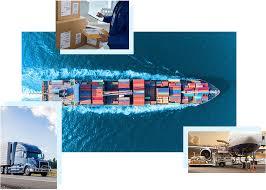
You handle international shipments every day, and one missed tariff code or outdated regulation can cost time and money. The Best Customs Compliance Tools in Logistics Industry consolidate classification, duties and taxes, document workflows, and regulatory screening so you can automate declarations, reduce audit risk, and keep shipments moving.This article walks through the features that matter—tariff intelligence, sanctions screening, document automation, and ERP/logistics integrations—so you can pick a platform that fits your operations and reduces manual rework. Expect practical comparisons and examples that show how compliance software transforms cross-border logistics and frees your team to focus on exceptions, not paperwork.
Key Features of Modern Customs Compliance Solutions
Modern systems prioritize automation, real-time regulatory intelligence, and risk controls to reduce manual work and prevent clearance delays. You should expect features that standardize filings, keep tariff and trade-rule data current, and flag high-risk shipments before they move.
Automated Trade Documentation
Automated document generation cuts repetitive data entry by populating commercial invoices, packing lists, and electronic export/import filings from your ERP or TMS data. You can map fields once and apply templates across suppliers and corridors, ensuring consistent HS codes, incoterms, and origin statements.Look for bulk filing, EDI/API connectivity to customs authorities, and audit trails that timestamp every submission. These features speed clearance and make disputing fines or reclaims easier because you can show exactly who submitted what and when.Validate classifications and duties automatically against embedded rule sets to reduce rework. Also prioritize platforms that support multi-country filing formats and electronic certificates of origin to avoid manual conversions that add days to clearance.
Regulatory Updates and Alerts
Your system must ingest legal changes—tariff updates, embargoes, licensing requirements—and push targeted alerts to affected teams. Real-time feeds and role-based notifications prevent missed actions when a rule changes for a specific product line or destination.Prefer solutions that map regulatory changes to impacted SKUs, routes, and permits so you see immediate operational effects. Alerts should be actionable: link to the affected shipments, suggested corrective steps, and required documentation updates.Versioned rule libraries and change logs let you demonstrate compliance history during audits. Also consider configurable thresholds so you only get notified for changes that actually affect your trade lanes or duty liabilities.
Risk Management Capabilities
Effective risk features identify discrepancies and potential compliance failures before cargo departs. Risk scoring combines supplier reliability, classification confidence, filing history, and country-of-origin risk to prioritize inspections and reviews.You should get automated screening against denied-party lists, sanctions lists, and embargoes with daily refreshes. The system should also support what-if scenarios for valuation, preferential origin claims, and duty optimization while preserving auditability.Include configurable workflows for manual review, escalation, and corrective actions so your team handles exceptions consistently. Reporting dashboards that surface recurring error patterns help you target supplier training or process fixes to lower long-term exposure.
How Compliance Software Transforms International Logistics
Compliance software centralizes rules, automates repetitive filings, and creates auditable records that reduce delays and fines. It also connects duty/tariff logic with operational systems so you can act on exceptions before shipments move.
Integration with Shipping Management Systems
You link compliance software directly to your TMS, WMS, and carrier platforms to eliminate duplicate data entry. That connection lets the system pull manifest details, HS codes, weights, and consignee information in real time so customs declarations complete automatically.
Focus integration on these capabilities:
- Automated data mapping: map EDI, API, or CSV fields to customs entry fields.
- Rule-triggered workflows: create actions for classification mismatches, licensing needs, or denied-party flags.
- Real-time status updates: push clearance status and hold notices back into the TMS for routing and ETA adjustments.
You should prioritize platforms that support your current formats (EDIFACT, ANSI X12, REST APIs) and offer middleware or adapters for older systems. This reduces project time and keeps shipments moving while the compliance layer enforces correct tariffs, preferential origin, and required documents.
Data Security and Compliance Auditing
You must protect transaction data and maintain immutable audit trails for inspections and post-entry reviews. Look for role-based access control, encrypted data at rest and in transit, and comprehensive logging of user actions and system changes.
Key technical features to require:
- Encryption standards (AES-256 for storage, TLS 1.2+ for transport).
- Detailed audit logs with timestamp, user ID, change reason, and original values.
- Retention and e-discovery tools that comply with local statutory periods.
Operational controls matter as much as tech. Implement two-person review for high-value shipments, automated alerts for suspicious edits, and exportable audit packages (PDF/XML) for customs authorities. These practices reduce your exposure to penalties and speed up responses to compliance queries.
Categorías
Read More
" According to the latest report published by Data Bridge Market Research, the Teleconsultation Market Data Bridge Market Research analyses that the teleconsultation market which was USD 85 billion in 2021, would rocket up to USD 506.64 billion by 2029, and is expected to undergo a CAGR of 25% during the forecast period 2022 to 2029. Teleconsultation Market report contains...

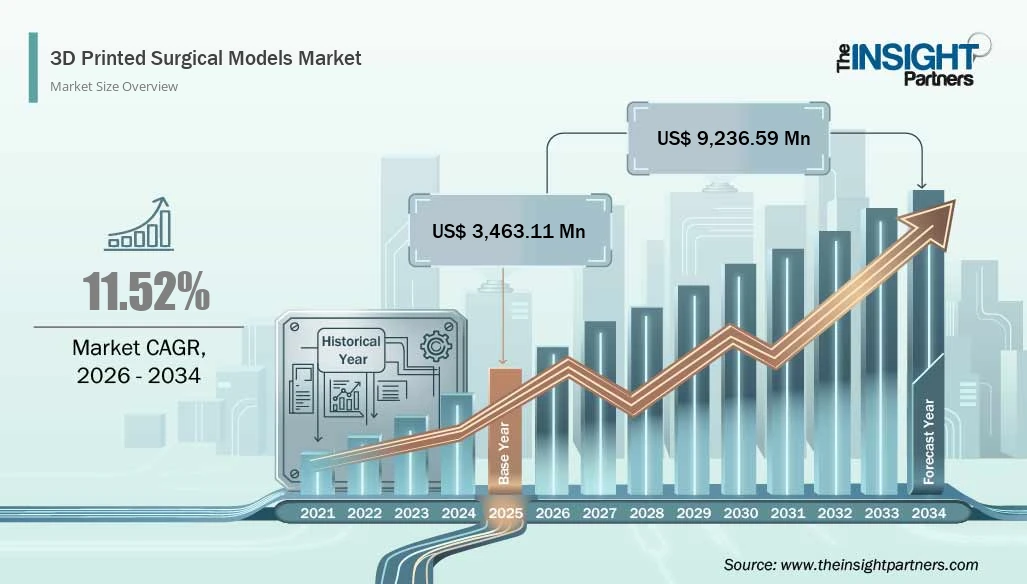
In the US, the adoption of 3D printed surgical models is expanding as hospitals and healthcare professionals seek advanced tools to improve preoperative planning and patient-specific treatment strategies. These models enable surgeons to examine complex anatomical structures in a physical three-dimensional format, helping them better understand individual patient anatomy before performing...
Alaska Airlines is one of the leading airlines in the United States, offering an extensive route network that connects travelers to destinations across North America and select international locations. If you're asking, Where does Alaska Airlines Fly, the answer includes more than 100 destinations spanning the United States, Alaska, Canada, Mexico, Costa Rica, Belize, Guatemala, and the...

Best Sexuality Call Girls Service Near Airport Mumbai, Escorts Navi Mumbai Airport Mumbai Escorts Discover the ideal Mumbai Escorts Radhika to fulfill your desires! You deserve nothing but the finest, and we offer an exquisite array of stunning and passionate escorts who will ensure you feel completely satisfied. Are you prepared to find your ideal escort? Begin your search now! A comprehensive...

The Industrial Communication Market includes a range of communication technologies, networking systems, protocols, hardware, software, and services that facilitate efficient data exchange between machines, sensors, controllers, industrial equipment, and enterprise systems. These solutions serve as a critical foundation for industrial automation, enabling smart manufacturing, connected...