


Matching Vs Complementary Wedding Bands: How To Choose The Right StyleMatching Vs Complementary Wedding Bands: How To Choose The Right Style
Introduction
Choosing wedding bands is one of the most emotional and meaningful parts of the wedding journey. A wedding ring is more than a beautiful piece of jewellery — it represents love, commitment, unity, and the promise of a shared future. Since these rings are worn every day, couples often spend a great deal of time deciding which style best reflects their relationship and personal preferences.
One of the most common questions couples face while shopping for rings is whether to choose matching wedding bands or complementary wedding bands. While some couples love the idea of identical rings that symbolize togetherness, others prefer rings that showcase their individual personalities while still looking connected.
Understanding the difference between matching and complementary wedding bands can make the decision-making process easier and more enjoyable. Both styles have their own charm, symbolism, and practical benefits. The right choice depends on your relationship dynamic, fashion preferences, lifestyle, and how you want your rings to represent your bond.
In this guide, we will explore the differences between matching and complementary wedding bands, their unique characteristics, advantages, design possibilities, and tips for choosing the perfect style for your relationship.
Matching Vs Complementary Wedding Bands: Understanding The Difference
When comparing matching and complementary wedding bands, the key difference lies in how closely the rings resemble one another in terms of design, metal, texture, and finish.
Matching Wedding Bands
Matching wedding bands are either identical or very similar in appearance. Couples choosing this style usually select the same metal type, finish, width, and design elements. These rings are designed to look like a pair and represent harmony, equality, and togetherness.
For example, both partners may wear yellow gold bands with the same polished finish and identical detailing. In some cases, the rings may vary slightly in width to suit individual preferences while still maintaining the same overall design.
Complementary Wedding Bands
Complementary wedding bands are designed to coordinate without being identical. The rings may differ in style, shape, texture, or details, but they still share certain design elements that create a cohesive look.
For example, one partner may choose a minimalist platinum band while the other selects a diamond-studded ring in the same metal tone. The rings complement each other aesthetically while allowing each person to express their unique personality and style.
Couples who prefer individuality often find complementary wedding bands to be the ideal balance between personal expression and shared symbolism.
What Are Matching Wedding Bands?
Matching wedding bands are designed so both partners wear identical or closely coordinated rings. This timeless tradition has remained popular for generations because it beautifully symbolizes unity and commitment.
Common Features Of Matching Wedding Bands
Matching wedding bands typically include the following characteristics:
- The same metal type such as gold, platinum, white gold, or rose gold
- Similar ring widths and proportions
- Identical finishes like polished, matte, hammered, or brushed textures
- Coordinated design details and engravings
- Matching gemstone placements or patterns
These rings can range from simple and classic to highly detailed and luxurious, depending on the couple’s preferences.
Why Couples Choose Matching Wedding Bands
Many couples are drawn to matching wedding bands because of their emotional symbolism and elegant appearance.
Symbol Of Unity
Matching rings visually represent the idea of becoming one. They serve as a constant reminder of the partnership and shared commitment between two people.
Timeless Appeal
Classic matching bands never go out of style. Their coordinated appearance creates a sophisticated and traditional look that many couples appreciate.
Simplified Decision-Making
Choosing matching bands often makes the shopping process easier. Once a design is selected, both partners can simply customize the size and fit.
Coordinated Aesthetic
Couples who enjoy symmetry and harmony in design often prefer the clean and consistent look of matching rings.
Pros And Cons Of Matching Wedding Bands
Like every jewellery style, matching wedding bands come with their own advantages and limitations.
Advantages
Strong Symbolism
Matching rings create a visible representation of togetherness, loyalty, and shared identity.
Elegant Consistency
The identical appearance gives a refined and balanced aesthetic that photographs beautifully.
Easier Shopping Experience
Couples can save time by selecting a single design that works for both partners.
Traditional And Timeless
Matching bands have remained a popular wedding tradition for decades and continue to hold sentimental value.
Potential Drawbacks
Limited Personalization
Some couples may feel restricted if their individual style preferences differ significantly.
Different Lifestyle Needs
One partner may prefer a more practical or durable design depending on work and daily activities.
Fashion Flexibility
A single design may not perfectly suit both personalities, especially if one partner prefers bold styles while the other prefers minimalist jewellery.
What Are Complementary Wedding Bands?
Complementary wedding bands allow couples to celebrate both their connection and individuality. Instead of wearing identical rings, partners select bands that coordinate through shared design elements while maintaining unique characteristics.
This modern approach has become increasingly popular among couples who value self-expression and personalized style.
Common Features Of Complementary Wedding Bands
Complementary wedding bands may include:
- Different ring styles with similar metal tones
- Coordinated textures or finishes
- Shared engraving patterns or symbols
- Similar gemstone accents in different settings
- Contrasting designs that still create visual harmony
For example, one partner may choose a classic plain band while the other selects a curved diamond band designed to complement an engagement ring.
Why Couples Choose Complementary Wedding Bands
Personal Expression
Complementary bands allow each partner to choose a design that reflects their personal taste and lifestyle.
Modern And Stylish Look
This approach feels contemporary and creative while still maintaining a meaningful connection between the rings.
Greater Design Flexibility
Couples can experiment with different metals, textures, widths, and details while still creating a coordinated set.
Comfort And Practicality
Each partner can prioritize comfort, durability, and functionality based on their individual daily routine.
Pros And Cons Of Complementary Wedding Bands
Advantages
Unique Personal Style
Each person gets a ring that genuinely reflects their personality and fashion preferences.
Better Customization
Complementary designs offer more flexibility for mixing metals, finishes, and details.
Lifestyle Compatibility
Partners can choose rings that suit their professions, activities, and comfort requirements.
Creative Design Possibilities
Couples can create meaningful visual connections through subtle shared details rather than identical designs.
Potential Drawbacks
More Complex Selection Process
Finding rings that coordinate well without matching exactly may take additional time and planning.
Less Traditional Appearance
Couples seeking a classic or highly symbolic look may prefer the stronger visual unity of matching bands.
Risk Of Design Imbalance
Without careful selection, the rings may appear unrelated instead of intentionally complementary.
Factors To Consider When Choosing Wedding Bands
Every couple has a different story, style, and vision for their wedding jewellery. Here are some important factors to consider before deciding between matching and complementary wedding bands.
Personal Style Preferences
Think about the jewellery each partner already wears. Does one person prefer minimal designs while the other loves bold statement pieces? Your daily style can help guide your choice.
Lifestyle And Comfort
Lifestyle plays a major role in selecting the right wedding band. Someone who works with their hands may prefer a simple and durable design, while another person may enjoy more intricate detailing.
Metal Choice
Popular wedding band metals include yellow gold, white gold, rose gold, platinum, and mixed metals. Matching bands usually use the same metal, while complementary bands may combine different tones creatively.
Ring Width And Fit
Comfort is essential because wedding bands are worn every day. Different hand sizes and personal preferences may influence ring width and shape.
Budget
Matching bands can sometimes simplify budgeting because both rings follow the same design. Complementary bands may vary in price depending on materials and customization.
Symbolism And Meaning
Some couples prioritize the symbolism of identical rings, while others prefer rings that celebrate individuality within the relationship.
Popular Matching Wedding Band Styles
Couples choosing matching wedding bands can explore many timeless and modern styles.
Classic Gold Bands
Simple gold bands remain one of the most traditional and elegant choices for couples.
Platinum Bands
Platinum wedding bands offer exceptional durability and a luxurious appearance.
Matte Finish Rings
Matte or brushed finishes create a modern and understated aesthetic.
Diamond Accent Bands
Subtle diamond detailing adds sophistication while maintaining a coordinated look.
Engraved Wedding Bands
Custom engravings such as initials, dates, or meaningful phrases make matching rings even more personal.
Popular Complementary Wedding Band Styles
Complementary wedding bands offer endless opportunities for creativity and personalization.
Mixed Metal Combinations
One partner may choose rose gold while the other selects white gold, creating contrast while maintaining harmony.
Minimalist And Statement Pairings
A sleek plain band can beautifully complement a more decorative ring with diamonds or textured details.
Coordinated Textures
Couples may choose different ring shapes while sharing the same hammered or brushed finish.
Curved And Contoured Designs
These styles work especially well when one partner’s ring needs to fit around an engagement ring.
Hidden Shared Details
Some couples include matching engravings or subtle design symbols inside the rings rather than focusing on identical exteriors.
How To Make The Right Decision
There is no universally correct choice between matching and complementary wedding bands. The best decision is the one that reflects your relationship and makes both partners feel happy and confident.
Here are a few helpful tips:
- Discuss your preferences openly before shopping
- Explore different ring styles together
- Try on multiple designs to compare comfort and appearance
- Focus on what feels meaningful rather than following trends
- Consider long-term wearability and practicality
- Remember that your rings should represent your unique relationship
Some couples even combine both concepts by selecting bands that appear matching from a distance while including personalized interior details.
Final Thoughts
Wedding bands are deeply personal symbols of love and commitment. Whether you choose matching wedding bands or complementary wedding bands, the most important thing is that the rings reflect your relationship, personalities, and shared journey.
Matching wedding bands offer timeless elegance, visual harmony, and strong symbolism of unity. Complementary wedding bands provide flexibility, individuality, and creative freedom while still maintaining a meaningful connection.
As you begin your search, focus on comfort, authenticity, and emotional significance rather than outside expectations. The perfect wedding bands are the ones that make both partners feel connected, confident, and excited to wear them every day.
No matter which style you choose, your wedding bands will forever serve as a reminder of your love story and the commitment you share together.
Категории
Больше
Web hosting is an essential investment for anyone creating an online presence. Bluehost has become one of the industry's most trusted hosting providers by offering affordable plans, reliable performance, and beginner-friendly tools. Whether you're launching a personal blog, business website, or eCommerce store, Bluehost provides hosting solutions designed for different requirements. To make...

The timeless magic of Tim Burton’s The Nightmare Before Christmas continues to inspire fans decades after its release not only through storytelling but also through fashion. One of the most popular trends to emerge from the movie’s fandom is the Nightmare Before Christmas jacket a piece that blends gothic charm, playful creativity, and classic Burton style aesthetics. It has become...
Dubai continues to redefine luxury urban living with world-class residential developments, and Sobha Central is one of the most anticipated projects shaping the city's future skyline. Strategically located on Sheikh Zayed Road, this premium mixed-use development combines modern architecture, exceptional connectivity, luxury residences, and lifestyle-focused amenities, making it a standout...

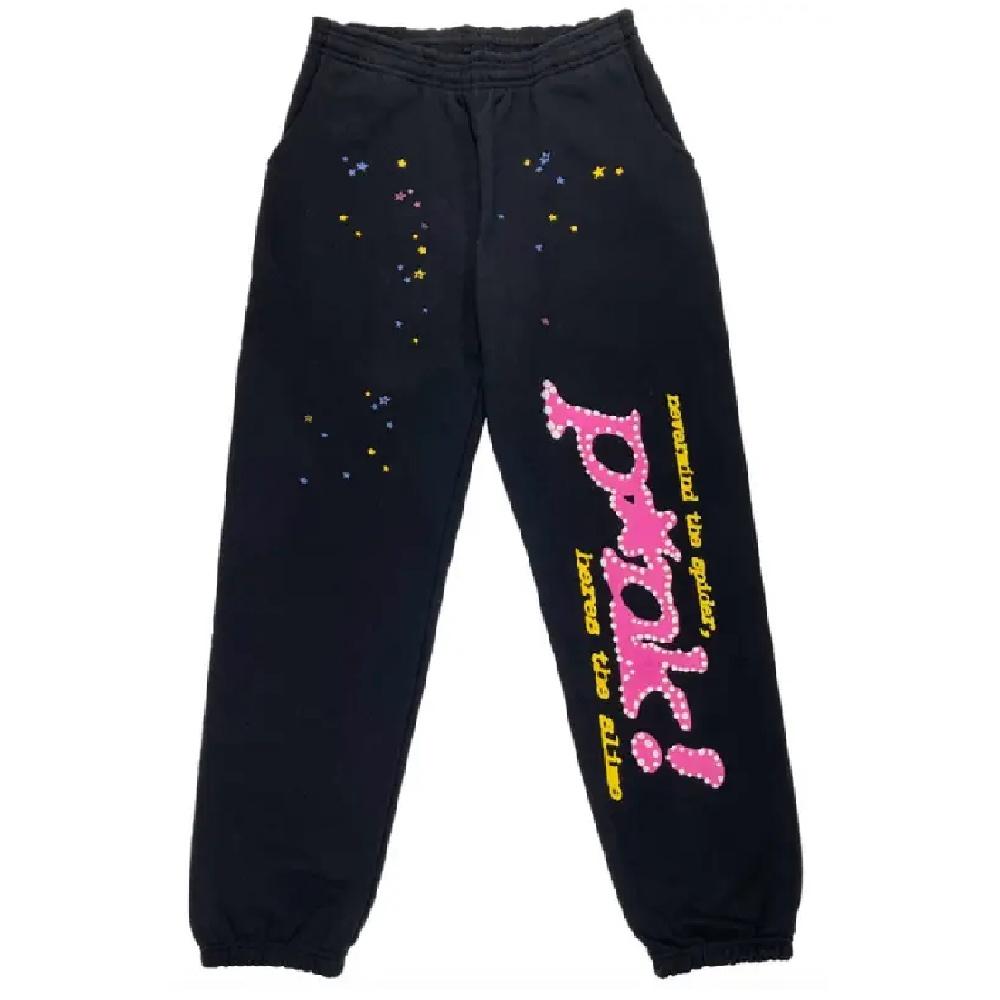
hat Makes Sp5der Sweatpants Stand Out? Sp5der sweatpants stand out because they fuse high-end streetwear design with comfort-driven materials. They’re built from heavy cotton blends, feature bold graphics, and carry a relaxed fit that walks the line between fashion and function.https://sp5derhoodieshops.com/ The first time I pulled on a pair of Sp5der sweatpants, I felt the difference...
If you're searching for Pet friendly apartments for rent in Midlothian, look for modern designs that prioritize both you and your furry friends. Spacious layouts with luxury finishes like granite countertops and stainless steel appliances offer comfort, while on-site amenities like pet parks and walking trails enhance your lifestyle. Plus, the convenient location provides easy access to parks...
