


Autism Treatment Adults: Evidence-Based Strategies for Independent Living
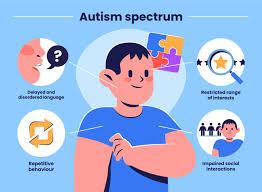
You can improve daily life and mental health by combining targeted therapies, skills training, environmental accommodations, and practical supports tailored to your needs and goals. Many autistic adults experience meaningful gains when interventions focus on reducing real-world friction—boosting communication, managing sensory needs, and building routines that fit your life through effective Autism Treatment Adults programs and support strategies.This article guides you through evidence-based therapeutic options and everyday strategies that help with work, relationships, and self-care, so you can choose what fits best for your situation. Expect clear, practical information on assessments, therapies, and supports that make daily living easier and more sustainable while exploring the most effective approaches for Autism Treatment Adults and long-term well-being.
Common Therapeutic Approaches
You will find targeted strategies that reduce specific challenges and build practical skills for daily life. Each approach focuses on measurable goals, typical session formats, and skills you can expect to gain.
Behavioral Interventions
Behavioral interventions aim to change specific actions by altering environmental triggers and consequences. Applied Behavior Analysis (ABA) is common; therapists perform a functional behavior assessment, set observable goals, and use reinforcement plans to increase adaptive behaviors and decrease harmful or blocking behaviors.You should expect regular data tracking—sessions often include discrete trials, naturalistic teaching, or skill chaining—so progress is measurable and modifications are evidence-based.
Practical components you will encounter:
- Functional assessment to identify why a behavior occurs.
- Clear, small goals such as initiating conversation or reducing repetitive actions.
- Reinforcement systems (token economies, immediate praise) tailored to what motivates you.
Family or caregiver training is frequently included so strategies generalize across settings.
Cognitive Behavioral Therapy
CBT targets the thinking patterns and behaviors that maintain anxiety, depression, or rigid routines. For autistic adults, therapists adapt pace, use concrete language, and include visual supports and behavioral experiments.You will work on identifying automatic thoughts, testing those thoughts with evidence, and practicing alternative responses in real-life situations.
Typical session elements:
- Psychoeducation about anxiety or mood processes.
- Cognitive restructuring using worksheets or visual tools.
- Behavioral exposure graded to your tolerance for social or sensory stressors.
CBT often includes homework and measurable outcome tracking such as anxiety rating scales to monitor change.
Occupational Therapy
Occupational therapy (OT) focuses on functional independence across work, self-care, and leisure. An OT evaluates sensory processing, motor planning, and daily routines, then creates a personalized plan to improve participation and reduce sensory-related distress.You may receive sensory modulation strategies, task breakdowns, or assistive technology recommendations to support job tasks, commuting, or household responsibilities.
Core OT interventions include:
- Sensory tools and strategies (weighted items, environmental adjustments).
- Activity analysis to simplify steps and build skill sequencing.
- Workplace accommodations such as structured schedules or communication supports.
OT progress is tracked through goal-based measures and real-world task performance.
Supportive Strategies for Daily Living
You will find practical, evidence-based approaches to improve communication, workplace success, and routine management. These strategies emphasize skill-building, environmental adjustments, and targeted coaching.
Social Skills Training
Focus on specific, teachable skills: greeting people, maintaining topic flow, reading nonverbal cues, and turn-taking. Practice these in short, repeated sessions with role-play, video modeling, or peer groups to build automaticity.
Use concrete tools to structure learning:
- Scripts and prompts for common scenarios (introductions, small talk, asking for help).
- Social stories that explain expected behaviors step-by-step.
- Video feedback so you can observe body language and tone objectively.
Work on anxiety management alongside skill training. Learn brief grounding exercises and rehearsal techniques to reduce stress before social interactions. Seek a trainer or therapist who measures progress with specific goals (e.g., initiate conversation twice per session) and adjusts tasks as you improve.
Employment and Vocational Support
Target job fit first: identify tasks that match your strengths (detail work, routine tasks, technical skills) and avoid roles requiring high sensory load or unpredictable social demands. Use a vocational assessment to document skills, accommodations, and environmental needs.
Practical supports include:
- Job coaching for on-the-job training and social navigation.
- Disclosure plans that outline what you’ll share with employers and why.
- Reasonable accommodations such as written instructions, quiet workspaces, flexible schedules, and task chunking.
Prepare concrete examples for interviews that highlight your abilities and routines. Track performance with measurable goals (e.g., complete X tasks per day, reduce errors by Y%) and review them with supervisors or a coach every 2–4 weeks to make adjustments.
Categories
Read More
Professionals operate in fast-changing environments where preparation and reliable equipment are essential for success. Having access to dependable gear ensures that officers and security personnel can respond quickly, safely, and effectively in any situation. At Peacekeeper Products International, we understand the importance of quality equipment in the field. Our mission is to provide...
As Chandigarh continues to grow as a modern urban center, the expectations of individuals have also evolved. People now seek experiences that provide relaxation, comfort, and meaningful interaction. This has led to a rise in demand for Escorts in Chandigarh, who offer companionship tailored to modern lifestyle needs. A reliable Chandigarh Escort Service provides companions who are confident,...

Telegram: @usaseozillowWhatsApp: +1 (920) 517-8058Email: usaseozillow@gmail.com Buy LinkedIn Accounts With Connection LinkedIn is a popular site for work and business. Many people use it to find jobs or meet new clients. Some companies rent LinkedIn accounts instead of selling. Renting means you use the account for a time and then return it. This can be safer but...
Inffa : personnage technologique Inaffa, personnage principal de la région de Nod-Krai, incarne l’innovation et la complexité technologique dans le jeu. Sa conception unique offre une immersion dans les nouvelles mécaniques propres à cette zone mystérieuse. Grâce à ses composants venus des quatre coins de Teyvat, elle représente un...

Introduction Dubai has earned a global reputation as one of the most attractive destinations for entrepreneurs and investors. With its robust infrastructure, investor-friendly policies, and strong economic outlook, Dubai provides a platform where both startups and established enterprises can thrive. However, before diving into the UAE business landscape, one critical decision every entrepreneur...
