


How to Master SEM Without Wasting Budget
How to Master SEM Without Wasting Budget

Search Engine Marketing (SEM) has become one of the fastest ways to drive targeted traffic, generate leads, and increase sales. But many businesses waste money on poor targeting, weak ad strategies, and unoptimized campaigns. In 2026, mastering SEM is not just about running ads, it's about combining smart data, SEO, content marketing, digital marketing, and social media marketing into a unified strategy.
Successful SEM campaigns focus on reaching the right audience at the right time while controlling costs and maximizing ROI. Businesses that understand how to optimize their campaigns efficiently can achieve sustainable growth without overspending.
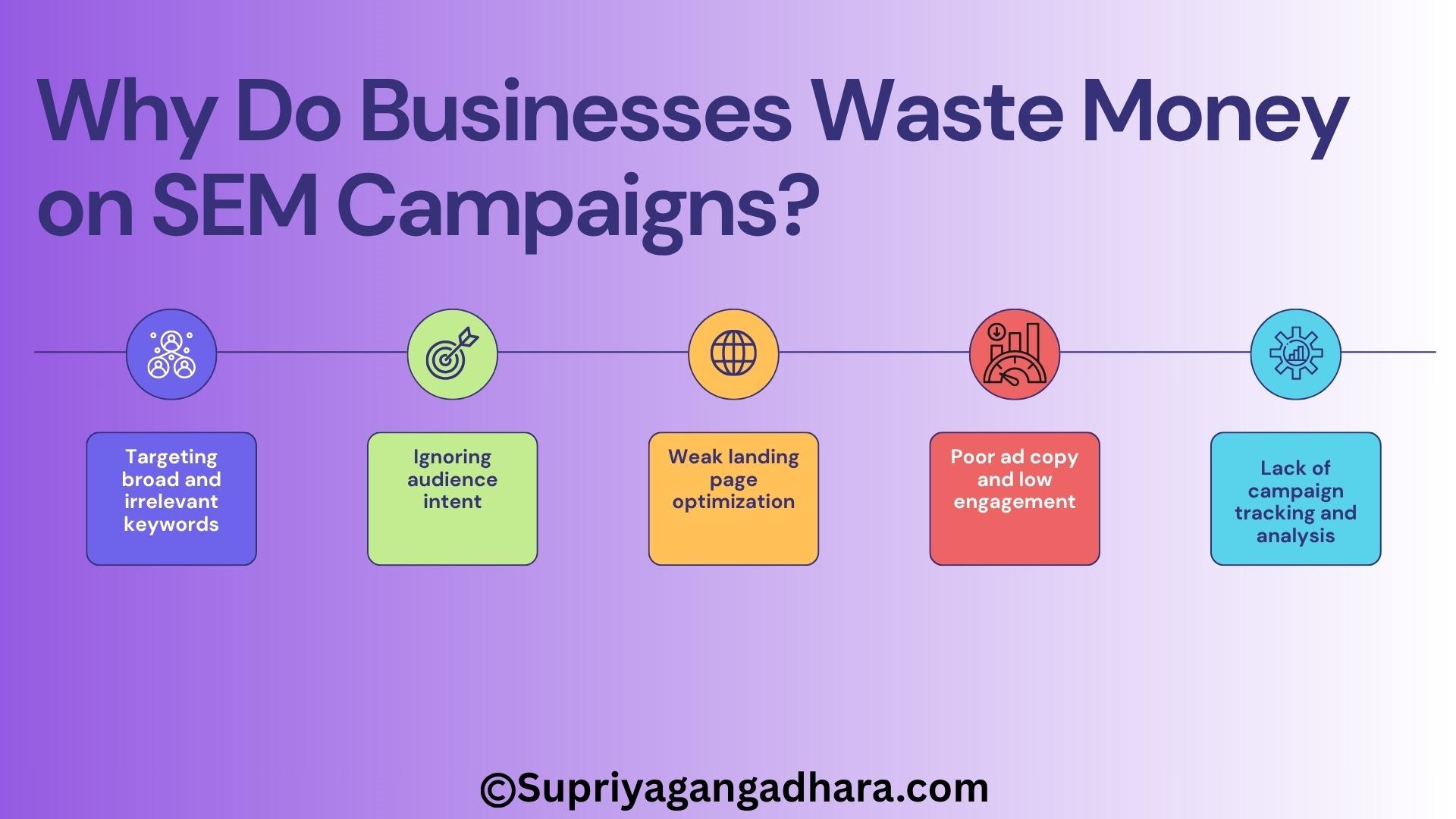
Why Do Businesses Waste Money on SEM Campaigns?
Many companies launch paid advertising campaigns without a clear strategy or audience understanding. This often leads to poor conversions and rising advertising costs.
Common SEM mistakes include:
-
Targeting broad and irrelevant keywords
-
Ignoring audience intent
-
Weak landing page optimization
-
Poor ad copy and low engagement
-
Lack of campaign tracking and analysis
Without proper optimization, even large advertising budgets can deliver weak results.
How Does SEO Support Better SEM Performance?
SEO and SEM work best when combined together. Strong SEO improves website quality, landing page relevance, and user experience, which helps reduce advertising costs and improve ad rankings.
SEO benefits for SEM campaigns:
-
Higher quality scores in search ads
-
Better landing page performance
-
Increased organic and paid visibility
-
Improved user trust and engagement
-
Lower cost-per-click over time
Businesses using both SEO and SEM create a stronger digital marketing foundation.
Why Is Keyword Research Critical for SEM Success?
Effective keyword research ensures ads appear for high-intent searches that are more likely to convert. Instead of targeting every keyword, businesses should focus on relevance and buyer intent.
Smart SEM keyword strategies include:
-
Long-tail keyword targeting
-
Negative keyword filtering
-
Competitor keyword analysis
-
Local search optimization
-
Search intent-based targeting
The right keywords help reduce wasted spend while increasing qualified traffic.
How Can Content Marketing Improve SEM Results?
Content marketing plays a major role in improving SEM performance by educating users and increasing engagement before conversions happen.
Content marketing supports SEM through:
-
High-quality landing pages
-
Informative blog content
-
Better audience trust and authority
-
Improved conversion rates
-
Stronger customer retention
Users are more likely to respond to ads when supported by valuable and relevant content.
Why Is Audience Targeting Important in Digital Marketing?
One of the biggest advantages of modern digital marketing is advanced audience targeting. Businesses can now target users based on behavior, interests, location, and buying intent.
Effective targeting methods include:
-
Demographic targeting
-
Behavioral audience segmentation
-
Retargeting campaigns
-
Device and location targeting
-
Customer intent analysis
Precise targeting reduces wasted clicks and improves campaign efficiency.
How Does Social Media Marketing Strengthen SEM Campaigns?
Social media marketing and SEM work together to improve brand visibility and audience engagement. Social platforms help businesses nurture audiences before they search on Google or other search engines.
Social media marketing benefits for SEM:
-
Increased brand awareness
-
Better audience engagement
-
Improved retargeting opportunities
-
Stronger customer relationships
-
Higher conversion potential
Businesses combining SEM with social media marketing often see better overall campaign performance.
Why Are Landing Pages Essential for SEM Optimization?
Even the best ads fail if users land on poorly optimized pages. A high-converting landing page improves trust, engagement, and conversions.
Key landing page optimization factors:
-
Fast page loading speed
-
Mobile-friendly design
-
Clear call-to-action buttons
-
Relevant and engaging content
-
Simple user navigation
A better user experience leads to stronger conversion rates and lower advertising waste.
How Can Businesses Track and Improve SEM Performance?
Continuous monitoring is essential for successful SEM management. Businesses should regularly analyze performance data to identify what works and what needs improvement.
Important SEM metrics include:
-
Click-through rate (CTR)
-
Conversion rate
-
Cost per click (CPC)
-
Return on ad spend (ROAS)
-
Bounce rate and engagement
Data-driven optimization helps businesses scale profitable campaigns while reducing unnecessary expenses.
How Is AI Helping Businesses Reduce SEM Costs?
AI-powered tools are making SEM smarter and more efficient. Artificial intelligence can automate bidding, optimize targeting, and predict campaign performance in real time.
AI-driven SEM advantages:
-
Automated bid optimization
-
Smarter audience targeting
-
Real-time performance adjustments
-
Better ad personalization
-
Reduced manual workload
AI helps businesses maximize results while minimizing wasted budget.
Conclusion
Mastering SEM without wasting budget requires more than simply running ads. Businesses must combine SEO, content marketing, digital marketing, and social media marketing to create a complete growth strategy that focuses on relevance, user experience, and data-driven optimization.
The most successful SEM campaigns are built on smart targeting, valuable content, optimized landing pages, and continuous performance analysis. Instead of spending more money, businesses should focus on spending smarter. When strategy, creativity, and technology work together, SEM becomes a powerful tool for sustainable business growth and long-term success.
Categories
Read More
In today’s fast-paced world, stress has become a common part of daily life. Work pressure, financial concerns, family responsibilities, and constant digital exposure can quietly build emotional and mental strain. While stress is a natural response, prolonged or unmanaged stress can seriously affect both mental and physical health. This is where stress reduction therapy online is...

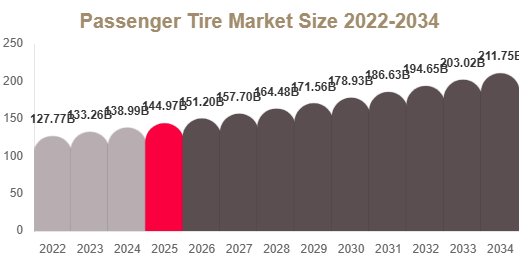
Passenger Tire Market Overview The Passenger Tire Market is witnessing steady growth driven by rising global vehicle production, increasing demand for fuel-efficient mobility solutions, and continuous advancements in tire manufacturing technologies. Passenger tires are essential components of hatchbacks, sedans, SUVs, and electric vehicles, ensuring safety, durability, and performance across...
Coin Operated Laundries Market The Coin Operated Laundries Market serves urban populations and households without private laundry facilities. Demand is driven by apartment living, convenience, and time efficiency. Modern laundromats increasingly adopt digital payment systems and energy-efficient machines. Additional services such as wash-and-fold improve revenue streams. Location...

Choosing the right appliance showroom near me is more than just a quick online search—it’s about finding a reliable place where quality, service, and long-term value come together. Whether you’re upgrading your kitchen, replacing old appliances, or setting up a new home, the showroom you choose can make a huge difference in your overall experience. A good appliance store...

The GCC Countries Vertical Lift Module (VLM) Market is entering a period of significant transformation, driven by rapid advancements in warehouse automation, increasing adoption of smart logistics systems, and large-scale infrastructure investments across the Gulf Cooperation Council region. Valued at US$ 94.7 billion in 2025, the market is projected to reach US$ 196.7 billion by 2036,...