The Sonic Revolution: The Ultimate Guide to Modern Speakers in 2026
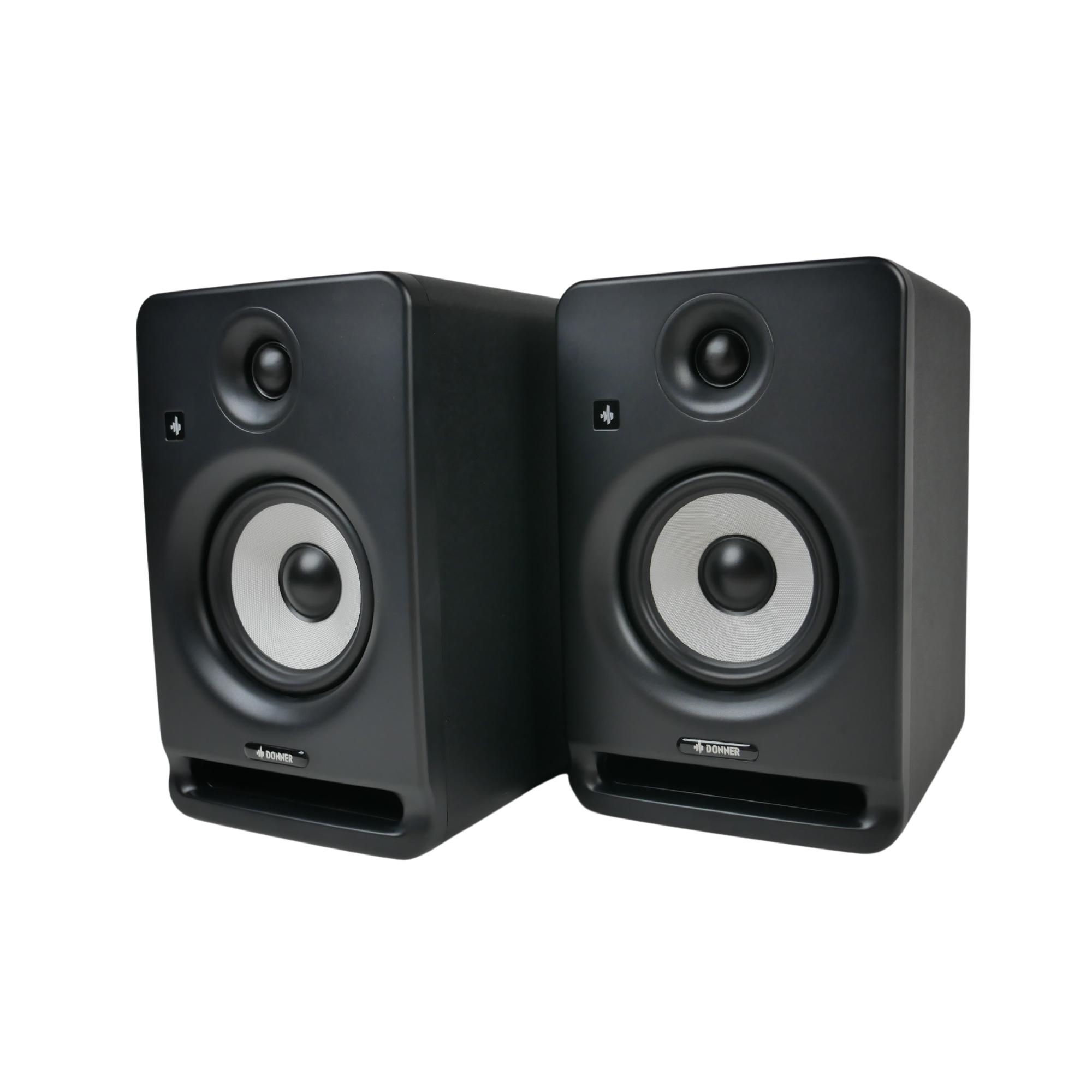
Audio is no longer just a background element of our lives; it is an immersive environment. Whether you are a professional setting up a high-stakes conferencing suite, a gamer seeking the directional precision of spatial sound, or a music lover chasing the warmth of high-fidelity playback, the speakers you choose define your digital reality.
In 2026, speaker technology has moved far beyond simple vibrating cones. We are living in an era of computational audio, wireless lossless transmission, and acoustic beamforming. This comprehensive guide explores the science of sound, the various categories of speakers available today, and how to choose the perfect system to elevate your auditory experience.
1. Understanding the Physics of Sound: How Speakers Work
To make an informed purchase, you must understand what happens inside the cabinet. A speaker is a transducer—a device that converts electrical energy into mechanical energy (motion) and then into acoustical energy (sound).
The Driver Anatomy
-
The Voice Coil: An electromagnet that receives the electrical signal from your amplifier.
-
The Magnet: Provides a stationary magnetic field that interacts with the voice coil.
-
The Diaphragm (Cone): Attached to the voice coil, it moves back and forth to displace air, creating pressure waves—what we perceive as sound.
Frequency Separation: Woofers, Tweeters, and Mid-range
Because one single cone cannot effectively reproduce the entire spectrum of human hearing (20Hz to 20,000Hz), speakers are often split into specialized drivers:
-
Tweeters: Small drivers designed for high-frequency sounds (cymbals, birds, violins).
-
Mid-range: Handles the "human" frequencies, such as vocals and guitars.
-
Woofers: Larger drivers designed to move a lot of air for low-frequency bass (drums, explosions).
2. Choosing Your Category: From Desktop to Distributed Audio
The "best" speaker depends entirely on the volume of the room and the intent of the listener.
Bookshelf and Desktop Speakers
These are compact, two-way speakers designed to sit on a desk or a stand.
-
Active vs. Passive: "Active" speakers have a built-in amplifier (common for PCs), while "Passive" speakers require an external receiver or amp.
-
Near-field Listening: Desktop speakers are optimized for "near-field" listening, meaning they sound best when you are sitting 2–4 feet away.
Floor-standing (Tower) Speakers
The gold standard for home theaters and dedicated listening rooms. Their larger cabinets allow for multiple woofers, providing deep, resonant bass without the need for a separate subwoofer.
Soundbars and Architectural Audio
For those prioritizing a minimalist aesthetic, soundbars offer a massive upgrade over built-in TV speakers. Meanwhile, in-ceiling and in-wall speakers provide "invisible" audio, perfect for modern offices and luxury homes.
3. The Wireless Frontier: Bluetooth vs. Wi-Fi
The tether of the speaker wire is officially a thing of the past. However, the transmission method matters.
-
Bluetooth 6.0+: Great for portability and low power consumption. Modern codecs like aptX Lossless have narrowed the gap between wireless and wired quality.
-
Wi-Fi / Multi-room Audio: Platforms like AirPlay 2 and specialized mesh networks allow you to stream high-resolution audio (24-bit/192kHz) without the compression limits of Bluetooth. They also allow you to play different music in different rooms simultaneously.
4. Computational Audio: The Smart Speaker Evolution
In 2026, the room itself is part of the speaker’s "brain."
-
Room Calibration: Many modern speakers use internal microphones to "ping" the room. They analyze how sound bounces off your walls and automatically adjust their EQ (Equalization) to eliminate "muddiness" caused by the room's acoustics.
-
Spatial Audio: Using object-based formats like Dolby Atmos, speakers can now simulate height and width, making it sound like a helicopter is flying over your head, even if you only have two speakers in front of you.
5. Integrating Professional Audio with Tecisoft
In a professional environment—be it a corporate boardroom or a high-end retail space—speakers are not just for music; they are tools for communication and atmosphere. A high-fidelity audio system is only as reliable as the infrastructure supporting it. To ensure your audio remains lag-free and crystal clear, you need a robust digital backbone.
For organizations looking to bridge the gap between their physical environment and their technical requirements, Tecisoft offers a vital range of IT hardware and professional solutions. Whether you are sourcing the networking essentials to keep a distributed Wi-Fi speaker system perfectly synced or seeking the high-performance peripherals to manage a complex AV rack, having a reliable partner for your hardware needs is essential. By ensuring your audio accessories are backed by robust technical components, you create a seamless environment where the sound and the technology function as a single, unified system.
6. Portability and Durability: The Outdoor Revolution
The outdoor speaker market has exploded, thanks to advancements in battery chemistry and material science.
-
IP Ratings: Look for IP67 or higher. This ensures the speaker is not just "water-resistant" but can be fully submerged and is completely dust-proof—perfect for poolside or job sites.
-
Battery Tech: 2026 models often feature 24+ hours of playback and "Power Bank" functionality, allowing you to charge your phone from the speaker’s internal battery.
7. Studio Monitors: The Pursuit of "Flat" Sound
If you are a creator—a YouTuber, a podcaster, or a musician—you don't want "beautiful" speakers; you want "honest" ones.
-
Flat Frequency Response: Standard consumer speakers often "color" the sound, boosting the bass or the treble to make it more pleasing. Studio monitors are designed to be "flat," reproducing the sound exactly as it was recorded so you can find and fix errors in your mix.
8. Aesthetics: Speakers as Furniture
The "Resimercial" trend has hit the audio world. We are seeing a move away from black plastic boxes toward:
-
Wood Finishes: Walnut, Oak, and Ash cabinets that complement modern home decor.
-
Acoustic Fabrics: Kvadrat-wrapped speakers that look like high-end furniture.
-
Mid-Century Modern Design: A resurgence of the 1970s aesthetic, but with 2026 internals.
9. Installation and Positioning: The 38% Rule
To get the most out of your speakers, placement is 50% of the battle.
-
The Triangle: Your speakers and your head should form an equilateral triangle.
-
The 38% Rule: Avoid sitting right against a back wall or in the exact center of the room. The "sweet spot" for audio clarity is often about 38% into the room's length.
-
Decoupling: Use isolation pads or "spikes" to separate the speaker from the floor or desk. This prevents the surface from vibrating, which can distort the bass and ruin the clarity.
10. Conclusion: Finding Your Signature Sound
A speaker is the final link in the digital chain. It is the moment where data becomes emotion. Whether you are looking for a pair of high-performance desktop monitors to power your workday or a whole-home audio system that follows you from room to room, the right choice depends on understanding your space and your ears.
As we move further into a world of AI-enhanced and spatially aware audio, the focus remains on the human experience. By investing in quality drivers, smart calibration, and a reliable hardware foundation, you aren't just buying a speaker—you are buying a new way to experience the world. Turn it up.
الأقسام
إقرأ المزيد
The Food Biotechnology market report is intended to function as a supportive means to assess the global Food Biotechnology market along with the complete analysis and clear-cut statistics related to this market. In other words, the report would provide an up-to-date study of the market in terms of its latest trends, present scenario, and the overall market situation. Further, it will...

Choosing the right school is one of the most important decisions in a child’s life. A good school lays the foundation for academic success, personal growth, and future opportunities. Parents today are more conscious than ever about selecting a school that offers quality education along with overall development. If you are searching for the Best CBSE school in Cuttack, it is essential to...

Sunwin Siêu Tốc: Trải Nghiệm Cá Cược Thú Vị Ngay Tại NhàTrong thời đại số hóa hiện nay, việc giải trí và cá cược trực tuyến đang ngày càng trở thành xu hướng phổ biến trong cộng đồng. Một trong những nhà cái nổi bật được nhiều người chơi lựa chọn chính là Sunwin. Với những tính năng ưu...

The global Baby Food Market is witnessing steady growth, fueled by increasing awareness of infant nutrition, rising disposable incomes, and the growing need for convenient and safe feeding options. Changing lifestyles, particularly among working parents, are accelerating the adoption of packaged and ready-to-eat baby food products worldwide. According to recent market analysis, the...

"Comprehensive Outlook on Executive Summary Nanomedicine in Central Nervous System Injury and Repair Market Size and Share CAGR Value The global nanomedicine in central nervous system injury and repair market size was valued at USD 38.72 billion in 2025 and is expected to reach USD 82.45 billion by 2033, at a CAGR of 9.91% during the forecast period The...