


Dutch Gable Roof: Design, Benefits, and Complete Guide to This Stylish Roofing Style
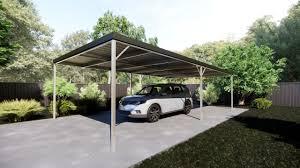
A Dutch Gable Roof is one of the most visually striking and functionally efficient roof designs used in modern and traditional architecture. It blends the strength of a gable roof with the elegance of a hip roof, creating a hybrid structure that improves both aesthetics and performance. This design is especially popular in residential homes, barns, gazebos, and even commercial buildings where style and durability matter equally.
What Is a Dutch Gable Roof?
A Dutch gable roof is a combination of two roof types:
- A hip roof, where all sides slope downwards toward the walls
- A gable roof, which has a triangular vertical wall at the end of a pitched roof
In a Dutch gable design, a small gable is placed on top of a hip roof. This creates a layered appearance that enhances both curb appeal and interior space.
The result is a roof that looks more decorative than a standard hip roof while still maintaining strong structural stability.
Key Features of a Dutch Gable Roof
1. Hybrid Structure
The defining feature is its combination of hip and gable elements. The lower section is hipped, while the upper section forms a gable.
2. Increased Attic Space
Compared to a traditional hip roof, the gable section allows for more usable attic or loft space. This is ideal for storage or additional living areas.
3. Improved Ventilation
The gable section often includes vents or windows, improving airflow and reducing heat buildup inside the building.
4. Strong Wind Resistance
Because the base is a hip roof, it performs well in high-wind conditions. This makes it suitable for coastal or storm-prone regions.
5. Architectural Appeal
The layered design adds depth and character, making it a favorite for architects aiming for a more stylish roofline.
Advantages of a Dutch Gable Roof
Enhanced Aesthetic Value
One of the biggest advantages is visual appeal. The combination of roof styles creates a more dynamic and elegant look compared to simple roof designs.
Better Interior Space Utilization
The gable section increases headroom, allowing homeowners to convert attic areas into bedrooms, offices, or storage spaces.
Strong Structural Stability
The hip roof base distributes weight evenly, reducing stress on walls and increasing overall durability.
Versatility in Design
It can be adapted to modern homes, rustic cottages, barns, and even luxury villas.
Improved Drainage
The sloping design allows rainwater and snow to slide off easily, reducing the risk of leaks or water pooling.
Disadvantages of a Dutch Gable Roof
While it has many benefits, there are also some limitations:
Higher Construction Cost
The design is more complex than standard roofs, requiring more materials and skilled labor.
Maintenance Complexity
Because of its multiple slopes and joints, maintenance can be more challenging.
Longer Construction Time
The hybrid structure takes longer to design and build compared to simpler roofing styles.
Common Uses of Dutch Gable Roofs
- Residential homes (especially modern suburban houses)
- Barns and agricultural buildings
- Gazebos and garden structures
- Boutique hotels and resorts
- Colonial-style architecture
Its combination of beauty and strength makes it suitable for both functional and decorative structures.
Dutch Gable Roof vs Other Roof Types
vs Gable Roof
- Gable roofs are simpler and cheaper
- Dutch gable roofs offer better aesthetics and more space
vs Hip Roof
- Hip roofs are more wind-resistant
- Dutch gable roofs provide better attic space and visual appeal
vs Mansard Roof
- Mansard roofs maximize interior space more
- Dutch gable roofs are more weather-resistant and easier to maintain
Design Variations
Architects often customize Dutch gable roofs in different ways:
- Adding dormer windows for light and ventilation
- Using metal, tile, or asphalt shingles for different finishes
- Incorporating skylights for modern homes
- Combining with verandas or porches for outdoor aesthetics
Maintenance Tips
To keep a Dutch gable roof in good condition:
- Inspect joints and flashing regularly for leaks
- Clean gutters to ensure proper drainage
- Replace damaged shingles promptly
- Check ventilation systems to prevent heat buildup
- Schedule professional inspections annually
Final Thoughts
The Dutch gable roof is a perfect blend of practicality and elegance. It offers the durability of a hip roof and the spaciousness of a gable roof, making it one of the most versatile roofing styles available today. Although it may cost more to build, the long-term benefits in durability, space, and aesthetics make it a worthwhile investment for homeowners and builders alike.
If you're looking for a roof design that balances strength, style, and functionality, the Dutch gable roof stands out as an excellent choice.
الأقسام
إقرأ المزيد
Relocating to a new home is an exciting journey, but the process of packing, transporting, and unpacking can often feel overwhelming. If you are planning home shifting Bangalore, choosing professional packers and movers can make the entire transition smooth and stress-free. Bangalore, also known as the Silicon Valley of India, is a fast-growing city with constant residential movement across...

Sleep problems can quietly drain your energy, mood, and productivity. Zopiclone is a well-known prescription medicine used for short-term treatment of insomnia in many parts of the world. This in-depth guide explains Zopiclone 7.5 mg, its other names, how it works, safety considerations, and answers common questions—written with a US-focused perspective and clear,...

Ali Wong's Stand-Up Journey Ali Wong unveils her latest chapter on stage Exploring the complexities of romance in her quest for love Her new Netflix special captures this intimate journey Filmed live this past spring Marking her highly anticipated return to stand-up Delivering unfiltered perspectives on modern relationships Through her distinctive comedic lens Partnering once more with the...

The landscape of genomic research is shifting from broad genetic sequencing to high resolution spatial analysis. As researchers and clinicians seek to understand not just what genetic mutations are present, but where they are located within a tissue, the global demand for advanced mapping tools has surged. This evolution is the primary catalyst for the In Situ Hybridization (ISH) Market...

The latest business intelligence report released by Polaris Market Research on Land Survey Equipment Market Share, Size, Trends, Industry Analysis Report, By Industry (Mining & Construction, Transportation); By Solution; By Application; By End-User; By Region; Segment Forecast, 2024 - 2032. It covers the in-depth knowledge of the Land Survey Equipment Market Share that...
