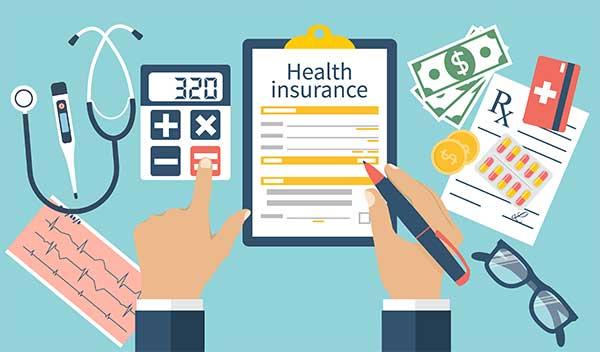
Health and insurance are two of the most important parts of modern life. Good health allows people to work, travel, enjoy family time, and achieve their goals. At the same time, health insurance provides financial protection when unexpected medical expenses arise. Together, insurance and health create a safety net that supports individuals and families during both routine and emergency situations.
In today’s world, healthcare costs continue to rise. From regular doctor visits to surgeries and emergency treatments, medical bills can quickly become expensive. Without proper health insurance, many people may struggle to afford the care they need. This is why understanding the connection between insurance and health is essential for everyone.
What Is Health Insurance?
Health insurance is a type of coverage that helps pay for medical expenses. Individuals pay a monthly premium to an insurance provider, and in return, the company covers part or all of certain healthcare costs. These may include:
- Doctor visits
- Hospital stays
- Prescription medications
- Emergency services
- Preventive care
- Surgeries
- Mental health services
Health insurance policies vary depending on the provider and the type of plan selected. Some plans offer comprehensive coverage, while others focus on basic medical needs.
The Importance of Health Insurance
Health insurance is important because it reduces financial stress during medical emergencies. A sudden illness or accident can result in thousands of dollars in healthcare costs. Insurance helps cover these expenses, making treatment more affordable.
Another major benefit of health insurance is access to preventive care. Many insurance plans include regular checkups, vaccinations, and screenings. Early detection of diseases can improve treatment outcomes and lower long-term healthcare costs.
Health insurance also encourages people to seek medical attention when needed. Without coverage, some individuals avoid visiting doctors because of high costs. This can lead to worsening health conditions over time.
Different Types of Health Insurance
There are several types of health insurance plans available today. Understanding these options helps people choose the right coverage for their needs.
Employer-Sponsored Insurance
Many companies provide health insurance benefits to employees. This is one of the most common forms of coverage. Employers often pay part of the insurance premium, making it more affordable for workers.
Individual Health Insurance
Individuals who do not receive insurance through work can purchase their own plans. These policies are available through private insurance companies or government marketplaces.
Government Health Programs
Some governments offer healthcare programs for eligible citizens. These programs may support seniors, low-income families, children, or people with disabilities.
Family Health Insurance
Family plans cover multiple family members under one policy. These plans are convenient and often more cost-effective than purchasing separate insurance for each person.
Short-Term Health Insurance
Short-term plans provide temporary medical coverage for limited periods. They are commonly used during job transitions or while waiting for long-term insurance approval.
Key Features of Health Insurance
When selecting a health insurance policy, it is important to understand common insurance terms and features.
Premium
A premium is the amount paid monthly or yearly for insurance coverage.
Deductible
A deductible is the amount the policyholder must pay before insurance coverage begins.
Copayment
A copayment is a fixed fee paid for certain medical services, such as doctor visits or prescriptions.
Network Providers
Insurance companies often work with specific hospitals and doctors known as network providers. Visiting network providers usually costs less.
Coverage Limits
Some policies limit the amount they will pay for certain treatments or services. Reading policy details carefully is essential.
The Relationship Between Insurance and Preventive Health
Preventive healthcare is one of the most valuable aspects of health insurance. Preventive services help people stay healthy and avoid serious illnesses.
Examples of preventive care include:
- Annual physical exams
- Blood pressure checks
- Diabetes screenings
- Cancer screenings
- Vaccinations
- Nutrition counseling
By encouraging preventive care, insurance companies can reduce the risk of expensive medical treatments later. Healthy individuals also enjoy better quality of life and productivity.
Mental Health and Insurance
Mental health has become an increasingly important part of healthcare discussions. Anxiety, depression, stress, and other mental health conditions affect millions of people worldwide.
Modern health insurance plans often include mental health services such as:
- Therapy sessions
- Counseling
- Psychiatric care
- Substance abuse treatment
Access to mental health services through insurance can improve emotional well-being and help people manage daily life more effectively.
Challenges in Health Insurance
Although health insurance offers many benefits, there are still challenges in the system.
Rising Costs
Healthcare and insurance premiums continue to increase in many countries. Some families struggle to afford monthly payments.
Limited Coverage
Not all insurance plans cover every medical treatment. Certain medications, procedures, or specialists may require additional payments.
Complex Policies
Insurance documents can be difficult to understand. Many people find it confusing to compare plans and understand policy terms.
Access to Healthcare
In some areas, people may have limited access to hospitals or specialists, even with insurance coverage.
How to Choose the Right Health Insurance Plan
Choosing the best health insurance plan depends on individual needs, age, lifestyle, and budget. Here are some important factors to consider:
Evaluate Healthcare Needs
People with chronic conditions or regular medical needs may require more comprehensive coverage.
Compare Costs
It is important to compare premiums, deductibles, copayments, and out-of-pocket expenses.
Check Provider Networks
Make sure preferred doctors and hospitals are included in the insurance network.
Review Prescription Coverage
Individuals who take regular medications should confirm that prescriptions are covered.
Read Policy Details Carefully
Understanding coverage limits, exclusions, and benefits helps avoid surprises later.
Technology and the Future of Health Insurance
Technology is transforming the healthcare and insurance industries. Digital tools are making insurance more accessible and efficient.
Telemedicine
Many insurance plans now include telemedicine services, allowing patients to speak with doctors online.
Mobile Health Apps
Health apps help users track fitness, monitor health conditions, and manage insurance information.
Artificial Intelligence
Insurance companies use AI to process claims faster and improve customer service.
Personalized Healthcare
Technology allows insurers to offer more personalized plans based on individual health needs and lifestyles.
The future of health insurance will likely focus on convenience, prevention, and digital healthcare solutions.
Why Healthy Living Still Matters
While health insurance provides financial protection, maintaining a healthy lifestyle remains essential. Insurance should support healthy habits, not replace them.
People can improve their overall health by:
- Eating balanced meals
- Exercising regularly
- Sleeping enough
- Managing stress
- Avoiding smoking and excessive alcohol
- Scheduling regular medical checkups
Healthy living can reduce medical expenses and improve long-term well-being.
Conclusion
Insurance and health are closely connected in today’s society. Health insurance protects people from high medical costs while improving access to essential healthcare services. From preventive care and emergency treatment to mental health support, insurance plays a major role in maintaining overall well-being.
As healthcare continues to evolve, understanding health insurance becomes increasingly important. Choosing the right insurance plan helps individuals and families stay prepared for both expected and unexpected medical situations.
At the same time, maintaining a healthy lifestyle remains the foundation of long-term wellness. Combining good health habits with reliable insurance coverage creates a strong path toward financial security, peace of mind, and a healthier future.