Firewood Conveyor Efficiency Tips for Faster, Safer Log Handling
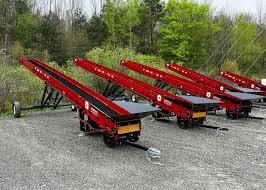
If you move, stack, or sell firewood, a firewood conveyor can cut the hardest part of the job into minutes by automating lifting and transport. A well-chosen conveyor saves time, reduces physical strain, and increases throughput by delivering split wood to trailers, piles, or sorting stations with consistent speed and adjustable height. This article walks you through what matters most—belt and chain styles, hydraulic and motor options, frame strength, and tracking systems—so you can match a conveyor to your workflow and production level. You’ll learn how features affect durability, ease of use, and safety, and how to operate and maintain equipment for reliable performance.
Essential Features of Conveyor Systems
You’ll want conveyors that match your workflow: choose the right belt type, confirm material handling capabilities, verify load ratings, and follow safety features that fit your site and operator practices.
Types of Conveyor Belts
Select belt type based on wood form and feeding method. Rubber or PVC belts suit loose split wood and chips because they resist abrasion and shed debris. Cleated belts improve grip and prevent logs or rounds from rolling back on inclines. Chain or slat conveyors work well if you move large rounds or heavy split billets; they handle point loads better and tolerate sharp edges that would cut fabric belts. Consider modular plastic belts where washdown or corrosion resistance matters; they’re easy to replace in sections. Also weigh maintenance: belts with simple tensioning and replaceable sections reduce downtime.
Material Handling Capabilities
Match conveyor width, speed, and feed interface to your processor or splitter. Narrow belts (12–18") work for small countertop processors and bagging lines; wider belts (24"+) suit commercial batching and trailer loading. Set belt speed to balance throughput and stacking: typical speeds range 20–120 ft/min depending on piece size and desired pile density. Hydraulic raise/lower or tilt features let you control discharge height for trailers or stacks without manual adjustments. Account for incoming irregular sizes—grizzly bars, live decks, or oscillating axles help sort and prevent jams. Plan for how you’ll feed the conveyor: gravity infeed, mechanical pushers, or direct hookup to splitters.
Load Capacity
Know both belt carry capacity (lbs/ft) and structural load limits of the frame and axles. Manufacturers often list maximum tonnage per hour; translate that to pieces per minute using your average log size.
Check drive motor horsepower and torque ratings for sustained loads; hydraulic drive systems deliver smoother control under variable loads. Inspect axle and roller specifications—heavier-duty rollers and bearings extend life under concentrated loads. Factor in safety margins: specify components rated 20–30% above expected peak loads to avoid premature failure. Don’t overlook trailer or support landing capacity when extending conveyors for loading.
Safety Considerations
Prioritize guarding and emergency stops accessible from both sides of the conveyor. Install belt covers or side guards at pinch points and around drive sprockets to prevent operator entanglement. Use pull-cords or E-stop cable runs along the conveyor length and clearly mark them. Incorporate lockout/tagout points for maintenance and ensure hydraulic systems have bleed-off or mechanical locks to prevent unexpected lowering. Train operators on safe feeding angles, proper clearing procedures, and staying clear of discharge zones. Regularly inspect belt tracking, frayed edges, and loose hardware—addressing small issues prevents larger hazards.
Choosing and Operating Equipment
Choose a conveyor that matches the volume, log size, and terrain of your operation. Prioritize durable components, safe controls, and straightforward maintenance access.
Selecting the Right Model
Identify your typical log length, diameter, and daily throughput before evaluating models. For short runs and backyard use, look for portable conveyors with 18" rough-top belting and molded cleats to stop blocks sliding back. For commercial volumes, choose heavy‑duty units with dual steel chains and paddles or grizzly bars to handle high wear and larger pieces. Consider power source (electric, PTO, or hydraulic). Match lift/angle range to your processor or truck bed to avoid repeated rehandling. Check for features that matter: hydraulic height adjustment, self‑aligning rollers for belt tracking, and optional stacking attachments. Confirm rated capacity, warranty terms, and availability of replacement belts or sprockets.
Setup and Installation Tips
Place the conveyor on firm, level ground or secure it to a trailer or processor deck to prevent shifting. Position the infeed to minimize manual staging — aim for 0–6 inches of gap between processor discharge and belt to reduce jams. Use the hydraulic lift to set the belt angle so logs move steadily without bouncing. Ensure electrical connections follow local code: use a dedicated circuit and GFCI protection for electric units. Lock out power before any adjustments. Align self‑tracking rollers and check belt tension per manufacturer specs; under‑tension causes slippage, over‑tension accelerates wear. If you attach stacking heads or chutes, test with full loads to verify balance and stability.
Routine Maintenance Guide
Inspect wear items weekly during heavy use. Key checks: belt condition, cleat integrity, chain wear, sprockets, bearings, and hydraulic lines. Replace cracked cleats, frayed belts, or worn chains promptly to prevent failures. Lubricate bearings and pivot points at intervals recommended by the maker. Keep debris and bark cleared from drive areas and undercarriage to avoid buildup that misaligns rollers. Test emergency stop and motion controls daily. Record hours and maintenance actions in a simple log to spot trends and schedule parts replacement before breakdowns.
Categories
Read More
Executive Summary Alumina Trihydrate Market Opportunities by Size and Share CAGR Value The global alumina trihydrate market size was valued at USD 4.36 billion in 2024 and is expected to reach USD 6.60 billion by 2032, at a CAGR of 5.30% during the forecast period Alumina Trihydrate Market research report is a verified and consistent source of information that puts forth a telescopic...

"In-Depth Study on Executive Summary 3D Printing Medical Devices Market Size and Share The global 3D printing medical devices market size was valued at USD 4.01 billion in 2024 and is expected to reach USD 15.83 billion by 2032, at a CAGR of 18.72% during the forecast period The world class 3D Printing Medical Devices Market business report...

"According to the latest report published by Data Bridge Market Research, the Europe Plant-Derived and Synthetic Sugar Market Data Bridge Market Research analyses that the Europe plant-derived and synthetic sugar market is expected to reach USD 13,669.49 million by 2029, at a CAGR of 3.0% during the forecast period. The market research data included in this Europe Plant-Derived and...

In today’s competitive and fast-paced business environment, efficiency is no longer optional—it’s essential. Companies across industries are under constant pressure to streamline operations, reduce costs, and make data-driven decisions. This is where ERPNext Solutions are transforming the way organizations operate. From small startups to growing enterprises,...
Apple's Mac platform faces evolving security challenges that extend beyond simple market share considerations. Understanding these complexities requires examining multiple interconnected factors. Operating System Resilience Remains Strong The Mac OS X foundation continues to demonstrate robust protection capabilities. The emergence of threats like Mac Defender doesn't indicate fundamental...