Which Agile Framework Works Best for Your Web Application Project?
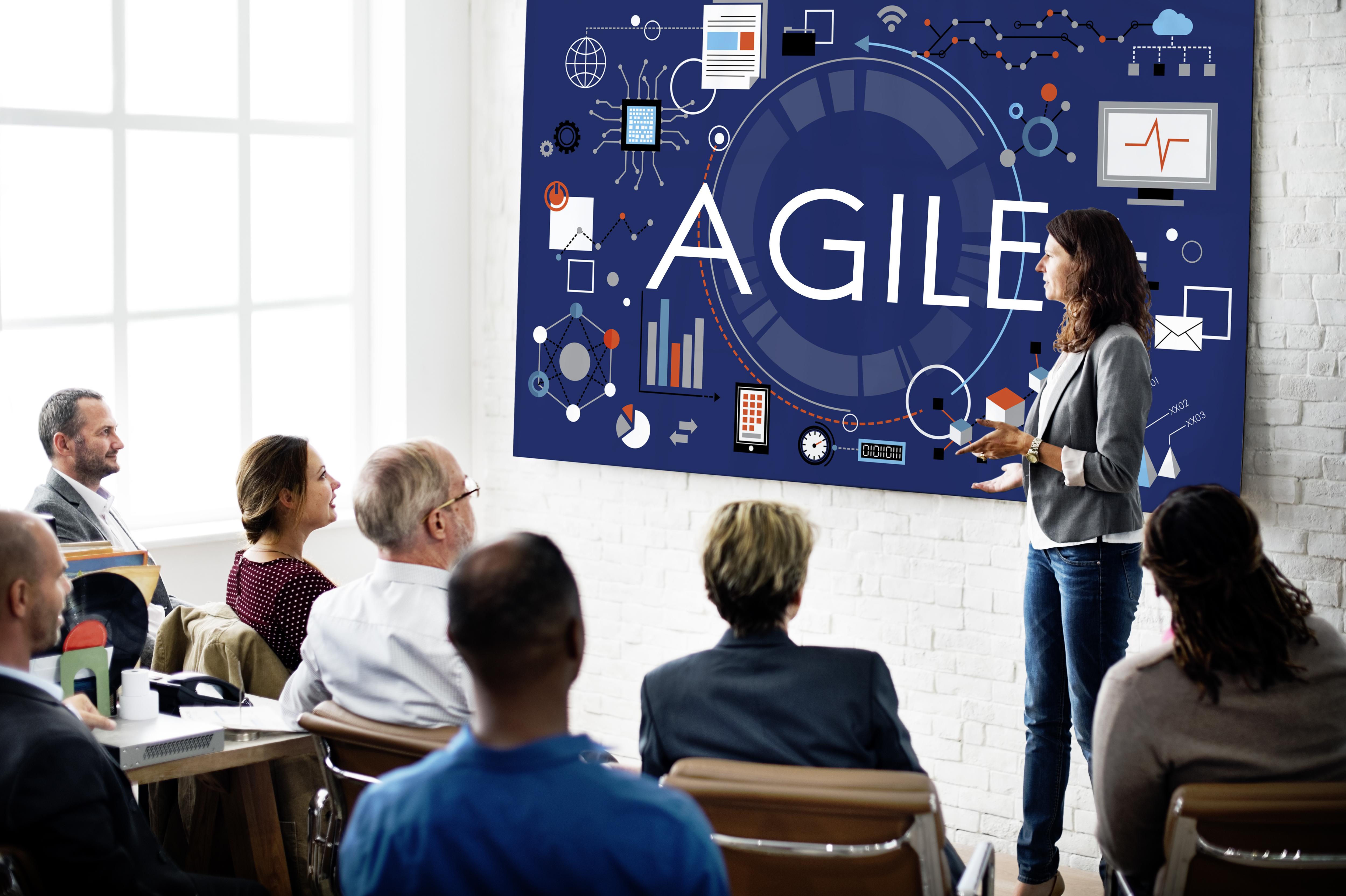
If you’ve ever managed a software project, you know how it works. You start with a "simple" plan, and three weeks in, the requirements look nothing like they did at the kickoff. That’s just the reality of the web, where user feedback, market shifts, and technical debt keep waiting silently to pounce around every corner. But you can overcome this by opting for agile web development. Here, instead of acting like a rigid machine, your team becomes an adaptive system that thrives on change.
But here’s the catch. There isn’t just one way to do Agile. There’s a host of methodologies to choose from like Scrum, Kanban, Scrumban, XP, and a dozen others that sound like secret codes. Picking the right agile framework for web application development success is an overwhelming job. Pick the wrong one, the whole team struggles with the project.
In this post, we’re breaking down the most popular Agile development methodologies so you can stop guessing and start shipping value to your users.
Exploring Key Agile Frameworks for Web Application
When we talk about Agile frameworks, we’re basically talking about the "how-to" manual for your daily work. While the Agile Manifesto gives us the philosophy of valuing people over processes, these frameworks provide the actual roadmap for your Agile project management efforts.
Scrum: The Structured Sprinter
Scrum is the heavyweight champion of Agile web development. It’s built around fixed-length "sprints" where the team commits to a specific set of features. It’s perfect for new, complex builds where you need clear milestones and regular check-ins. If your team loves having a clear cadence with daily standups, sprint planning, and retrospectives, Scrum is your go-to. It provides that necessary "rhythm" that keeps everyone aligned, especially when the project scope feels massive. By breaking a large, intimidating application into manageable "User Stories," Scrum allows you to deliver a working piece of the product at the end of every sprint, which is a massive psychological boost for stakeholders.
Kanban: The Flow Master
If your project is less about big feature drops and more about constant updates, bug fixes, or site maintenance, Kanban is your best friend. There are no "sprints" here. Instead, you have a board that visualizes work in progress (WIP). You limit how many items you work on at once, which keeps the team from getting overwhelmed. For many Web application Agile methodology setups, Kanban is the evolution of Scrum. Once the "big build" is done, teams often pivot to Kanban to handle the steady stream of optimization requests and support tickets. The beauty of Kanban lies in its focus on cycle time—how long it takes for a ticket to go from "To-Do" to "Done." By focusing on this, you naturally identify bottlenecks in your development process.
Extreme Programming (XP): The Engineer’s Choice
If you are working on a high-stakes web application where quality is non-negotiable then XP is your secret weapon. XP places a massive emphasis on technical practices like Test-Driven Development (TDD), Pair Programming, and Continuous Integration. While other frameworks focus on managing work, XP focuses on the craft of coding. It’s intense, it’s collaborative, and it forces your team to write cleaner code because the framework demands it as a baseline.
Deep Dive: Choosing by Project Lifecycle
One of the biggest mistakes teams make is sticking to one framework from the birth of a product to its retirement. A project in its "Zero to One" phase requires a different set of rules than a project in its "Maintenance and Optimization" phase.
Phase 1: The Startup Sprint (Zero to One)
When you are building a Minimum Viable Product (MVP), you are in a state of high uncertainty. Scrum is generally the best Agile framework for web application development here. Why? Because you need the "ceremonies." You need to sit down every two weeks to figure out what you actually learned from users. You need that retrospective to decide, "Hey, this feature isn't working; let’s pivot." Scrum provides a safety net for innovation by forcing you to take stock of your progress regularly.
Phase 2: The Scaling Phase
As your application grows, you might find that Scrum meetings become bottlenecks. This is often when teams start adopting a "Scaled Agile" approach or moving toward ScrumBan. Scrumban allows you to keep the planning sessions of Scrum but introduces the pull-based system of Kanban. This helps manage the increasing complexity of a growing codebase while keeping the team agile enough to respond to new market demands.
Phase 3: The Maintenance Phase
Once the app is stable and you’re focused on scaling and performance tuning, transition to pure Kanban. At this point, your work is likely reactive. A user finds a bug, or an analytics dashboard shows a drop in conversion. In these instances, you need to fix these issues immediately, not wait for the next sprint cycle to begin. Kanban allows your team to maintain a steady flow of high-priority fixes without the overhead of two-week planning sessions.
Integrating DevOps and Automation
No matter which Agile framework you use, the modern web requires automation. You cannot be "Agile" if you are deploying manually. Integration with CI/CD (Continuous Integration/Continuous Deployment) is the invisible backbone of all successful Agile web development. If your framework demands two-week sprints but your deployment process takes three days, you aren't really doing Agile; you're just doing waterfall in two-week chunks. Ensure your framework choice supports rapid, automated testing and deployment.
Wrapping It Up
At the end of the day, your choice of framework should serve the project, not the other way around. Don't feel pressured to implement a textbook version of Scrum or Kanban if it doesn't solve your specific bottlenecks. The core of Agile web development is constant collaboration, visible progress, and the courage to change course when the data tells you to.
Pick a framework, run it for a month, and then ask your team, "Is this helping us or slowing us down?" If it's slowing you down, tweak it. The best Agile frameworks are the ones you adapt until they feel invisible. Now, go out there, clear your backlog, and build something amazing!
Categorii
Citeste mai mult
Maintaining a healthy body weight is important for overall wellness, confidence, energy, and physical comfort. Modern lifestyles often include unhealthy eating habits, long sitting hours, stress, poor sleep, and limited physical activity, which may contribute to unwanted weight gain over time. Many people struggle to maintain healthy routines because of busy schedules, emotional eating, and...

" Benzyl Carbazate Market Summary: According to the latest report published by Data Bridge Market Research, the Benzyl Carbazate Market Data Bridge Market Research analyses that the benzyl carbazate market will witness a CAGR of 6.4% for the forecast period of 2022-2029 Global market research analysis report gives out a lot for the business and bestows with the solution...
Global Overview During Q1 2026, the L-lysine price trend remained relatively stable across major global regions, supported by consistent demand from animal feed, food fortification, pharmaceutical, and nutritional supplement industries. Production levels remained balanced due to steady fermentation activity and adequate raw material availability. Consumption from livestock and poultry sectors...

In the fast-paced, competitive economy of Britain’s Ocean City, the digital marketplace is far more crowded than the physical one. Whether you run a specialized consultancy in the city centre or a trade business serving the outskirts, the primary challenge is no longer just offering a great service—it is ensuring that you are found first when a customer is ready to buy. Digital...

Tax season brings predictable pressure for accounting firms, yet each year the workload feels different. Client expectations rise, deadlines tighten, staffing fluctuates, and the volume of returns rarely stays the same. For firms looking to grow sustainably, a scalable tax preparation outsourcing model has moved from an operational advantage to a strategic necessity. Outsourcing allows firms to...