Introduction
Air quality plays a critical role in the success of IVF procedures. A well-designed IVF operation theatre must maintain a highly controlled and contamination-free environment to protect embryos, gametes, and laboratory processes. This is why air handling systems and air change rates are extremely important in IVF facilities.
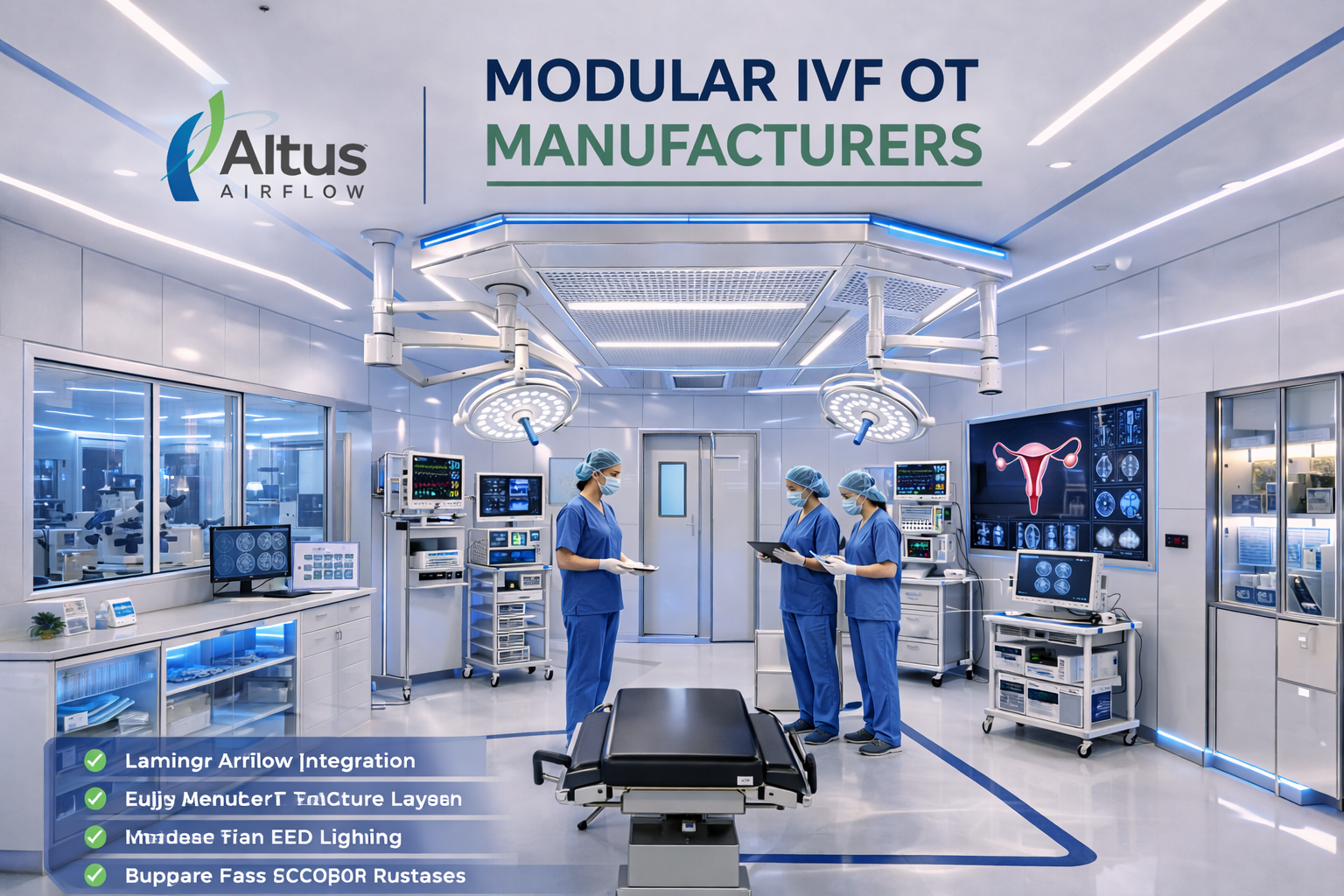
A Modular IVF OT Manufacturers company focuses on designing advanced IVF operation theatres with proper airflow systems, HEPA filtration, pressure control, and temperature regulation to maintain cleanroom standards. Among these factors, the air change rate is one of the most essential parameters for ensuring sterility and maintaining optimal laboratory conditions.
What Is Air Change Rate?
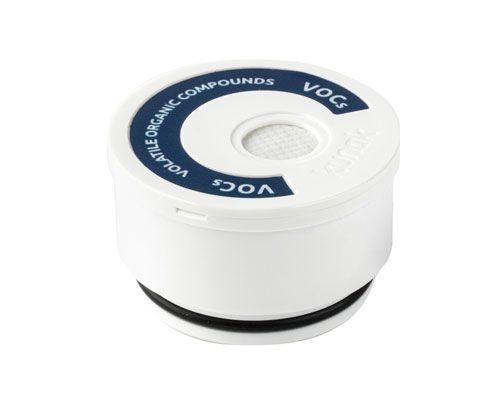
Air change rate, also known as Air Changes per Hour (ACH), refers to the number of times the air inside a room is completely replaced within one hour. In IVF operation theatres and IVF labs, maintaining proper ACH helps remove airborne contaminants, dust particles, bacteria, and volatile organic compounds (VOCs).
The higher the air change rate, the cleaner and safer the environment becomes for sensitive IVF procedures.
Ideal Air Change Rate for IVF Operation Theatres
The recommended air change rate for a modular IVF OT generally ranges between:
- 20 to 30 Air Changes Per Hour (ACH) for IVF operation theatres
- 15 to 20 ACH for embryo transfer rooms
- 20 to 25 ACH for IVF laboratories and cleanroom areas
The exact requirement depends on the room function, cleanroom classification, and hospital standards.
Why Air Change Rate Is Important in IVF OTs
Proper air circulation is essential because IVF procedures involve highly sensitive reproductive cells and embryos that can be negatively affected by contamination.
An ideal air change rate helps:
- Maintain sterile conditions
- Reduce airborne infection risks
- Eliminate dust and microbial particles
- Control VOC contamination
- Improve embryo culture success rates
- Maintain stable temperature and humidity
These conditions are necessary for successful IVF outcomes.
Role of HVAC Systems in IVF OTs
Modern IVF operation theatres use advanced HVAC systems to maintain controlled airflow and air purification. A professional Modular IVF OT Manufacturers company installs specialized air handling systems that ensure consistent ACH and cleanroom performance.
Key HVAC components include:
- HEPA filters
- Laminar airflow systems
- Air Handling Units (AHUs)
- Pressure control systems
- Temperature monitoring systems
- Humidity control units
Together, these systems create a clean and controlled IVF environment.
Recommended Cleanroom Standards for IVF Facilities
IVF OTs and laboratories often follow international cleanroom standards to maintain air quality and contamination control.
Common standards include:
- ISO cleanroom classifications
- NABH guidelines
- ASHRAE recommendations
- GMP cleanroom standards
These standards specify proper ACH levels, filtration efficiency, pressure gradients, and environmental monitoring requirements.
Importance of HEPA Filtration
HEPA filters are essential in IVF operation theatres because they remove microscopic airborne particles from the environment.
Benefits of HEPA filtration include:
- Removal of bacteria and fungal spores
- Reduction of airborne contamination
- Cleaner embryo handling environment
- Better air purity maintenance
Most IVF OTs use HEPA filters with 99.97% efficiency for particles as small as 0.3 microns.
Laminar Airflow in IVF Operation Theatres
Laminar airflow systems maintain unidirectional airflow to reduce turbulence and contamination.
Advantages include:
- Uniform air distribution
- Reduced particle accumulation
- Better contamination control
- Improved sterile conditions during procedures
Laminar airflow systems are commonly installed above surgical and embryo handling areas.
Temperature and Humidity Control
Apart from ACH, IVF facilities must maintain stable temperature and humidity levels.
Typical conditions include:
- Temperature: 22°C to 25°C
- Relative humidity: 40% to 60%
Stable environmental conditions help maintain embryo viability and laboratory performance.
Factors Affecting Air Change Rate Requirements
Several factors determine the ideal ACH in IVF facilities:
Room Size
Larger rooms may require more airflow capacity to maintain proper ACH.
Number of Occupants
More staff and equipment generate higher contamination loads.
Type of Procedures
Embryology labs and surgical IVF OTs require stricter air quality control.
Equipment Heat Load
Medical equipment generates heat, affecting HVAC performance and airflow needs.
Benefits of Proper Air Change Rate in IVF OTs
Maintaining the correct ACH provides multiple advantages:
- Improved IVF success rates
- Better embryo protection
- Enhanced infection control
- Reduced contamination risks
- Regulatory compliance
- Long-term equipment protection
These benefits are essential for high-performance IVF centers.
How Modular IVF OT Manufacturers Ensure Proper ACH
Experienced IVF OT manufacturers design operation theatres using advanced engineering techniques to achieve precise airflow performance.
Their services include:
- HVAC system design
- Air balancing and validation
- HEPA filtration installation
- Pressure differential setup
- Environmental monitoring systems
- Cleanroom testing and certification
These solutions ensure optimal IVF laboratory conditions.
Conclusion
The ideal air change rate in a modular IVF OT generally ranges from 20 to 30 ACH depending on the room type and cleanroom classification. Proper airflow management is essential for maintaining sterility, protecting embryos, and improving IVF success rates.
Modern IVF facilities rely on advanced HVAC systems, HEPA filtration, laminar airflow, and environmental monitoring to create contamination-free environments. Choosing experienced modular IVF OT manufacturers ensures high-quality cleanroom infrastructure that meets international healthcare and IVF standards.
FAQs
1. What is the ideal air change rate in a Modular IVF OT Manufacturers setup?
A Modular IVF OT Manufacturers setup generally requires 20 to 30 Air Changes Per Hour (ACH) to maintain sterile conditions and proper contamination control inside the IVF operation theatre.
2. Why is air change rate important in IVF operation theatres?
Air change rate helps remove airborne contaminants, maintain sterility, and protect sensitive embryos and reproductive cells during IVF procedures.
3. What type of filters are used in IVF OTs?
IVF OTs commonly use HEPA filters with high filtration efficiency to remove microscopic airborne particles.
4. What temperature is maintained inside IVF operation theatres?
Most IVF operation theatres maintain temperatures between 22°C and 25°C with controlled humidity levels.
5. What systems help maintain air quality in IVF labs?
HVAC systems, HEPA filtration, laminar airflow units, pressure control systems, and environmental monitoring systems help maintain clean air quality in IVF facilities.
Read Our Previous Blog ---------------> How long does it take to install an Major Orthopedic Modular Operation Theatre?