Intrinsically Safe Devices Definition – Certified Equipment for Hazardous Industrial Environments
Intrinsically Safe Devices Definition: Safe Technology for Hazardous Environments
Intrinsically safe devices are electrical and electronic instruments designed so that they cannot generate enough electrical or thermal energy to ignite explosive atmospheres, such as flammable gases, vapors, or combustible dust. Even in fault conditions, these devices are engineered to prevent sparks, overheating, or energy release that could trigger an explosion.
This safety approach is a core foundation of the Intrinsically Safe Equipment Market, which is growing due to stricter safety regulations and increasing industrial automation in hazardous zones.
Browse Insights:
https://www.polarismarketresearch.com/industry-analysis/intrinsically-safe-equipment-market
What Does Intrinsically Safe Mean?
The term intrinsically safe refers to a protection method where electrical circuits are designed to limit both voltage and current to safe levels so that ignition cannot occur.
Key principle:
- Even during faults such as short circuits or component failure, the device will not produce enough energy to ignite a hazardous atmosphere.
This makes intrinsically safe systems fundamentally different from explosion-proof systems, which contain explosions rather than preventing them.
How Intrinsically Safe Devices Work
Intrinsically safe devices rely on controlled energy management and protective circuit design:
- Energy Limitation
Electrical energy is restricted so that voltage and current levels remain too low to generate sparks or heat ignition.
- Protective Barriers
Safety barriers and isolators are used to prevent excessive energy from reaching hazardous areas.
- Fault Safety Design
Devices are engineered to remain safe even if multiple faults occur at the same time.
- Electrical Isolation
Sensitive components are separated from high-energy circuits to prevent energy transfer into dangerous zones.
Together, these mechanisms ensure continuous safety in explosive environments.
Applications of Intrinsically Safe Devices
Intrinsically safe devices are widely used in industries where explosive atmospheres may exist:
- Oil and gas refineries
- Chemical and petrochemical plants
- Mining operations
- Pharmaceutical manufacturing
- Food processing industries with dust risks
- Power generation facilities
They are especially important in hazardous zones where even a small spark could lead to serious accident
Importance in Industrial Safety
These devices play a critical role in preventing industrial explosions and ensuring workplace safety.
Key benefits include:
- Reduced risk of ignition in hazardous environments
- Protection of human life and infrastructure
- Compliance with industrial safety regulations
- Continuous safe monitoring in critical areas
- Improved operational reliability
Because of these advantages, intrinsically safe equipment is often mandatory in high-risk industrial zones.
Intrinsically Safe Equipment Market Overview
The Intrinsically Safe Equipment Market is expanding rapidly due to increasing safety awareness and industrial automation.
Key growth drivers include:
- Rising demand for safety in oil, gas, and chemical industries
- Expansion of industrial automation and smart monitoring systems
- Strict government safety regulations
- Growth of industrial IoT and connected safety devices
- Increasing focus on workplace hazard prevention
The market is also benefiting from advancements in smart sensors, wireless communication devices, and digital monitoring systems designed for hazardous environments.
Key Players in the Intrinsically Safe Equipment Market
The global industry includes several major manufacturers specializing in explosion-proof and intrinsically safe technologies:
- Pepperl+Fuchs
- Honeywell International
- Siemens
- ABB
- Eaton
- Emerson Electric Co.
- R. Stahl
- Rockwell Automation
- Extronics
- Bartec
- G.M. International
- i.safe MOBILE
- Aegex Technologies
- CorDEX Instruments
- Trolex
These companies develop certified safety equipment such as sensors, control systems, communication devices, and industrial monitoring tools designed for hazardous environments.
Advantages of Intrinsically Safe Devices
- Prevent ignition in explosive atmospheres
- Enhance workplace safety in high-risk industries
- Reduce risk of catastrophic industrial accidents
- Suitable for continuous monitoring applications
- Compatible with modern industrial automation systems
Challenges in Adoption
Despite their importance, intrinsically safe devices face certain challenges:
- Higher design and certification costs
- Limited power output due to safety restrictions
- Complex installation and maintenance requirements
- Need for specialized training and compliance management
However, these challenges are outweighed by the critical safety benefits they provid
Future Outlook
The future of intrinsically safe devices is closely linked to industrial digitalization and smart safety systems. Key developments include:
- Smart intrinsically safe sensors with IoT connectivity
- Wireless communication in hazardous environments
- AI-based predictive safety monitoring systems
- Integration with Industry 4.0 automation platforms
- Miniaturized and more energy-efficient safety devices
These innovations are expected to further strengthen industrial safety and efficiency.
Conclusion
Intrinsically safe devices are specially engineered systems designed to prevent ignition in hazardous environments by strictly limiting electrical and thermal energy. They are essential for industries where safety risks are high, ensuring reliable and continuous protection.
With growing industrial automation and stricter safety standards, the Intrinsically Safe Equipment Market is expected to continue expanding, supported by innovation in smart monitoring and advanced safety technologies.
More Trending Latest Reports By Polaris Market Research:
Artificial Intelligence in Manufacturing Market
U.S. Clinical Laboratory Tests Market
Categorias
Leia mais
Explore Kheloyar app IPL Fever! Play thrilling cricket games, forecast matches, and earn real cash prizes. Download the Kheloyar app now to experience non-stop IPL excitement as well as huge rewards.The Indian Premier League (IPL) is more than just a game - it's the largest fan-festival in the world! Imagine anticipating your team's win, fighting against opponents in live cricket matches and...

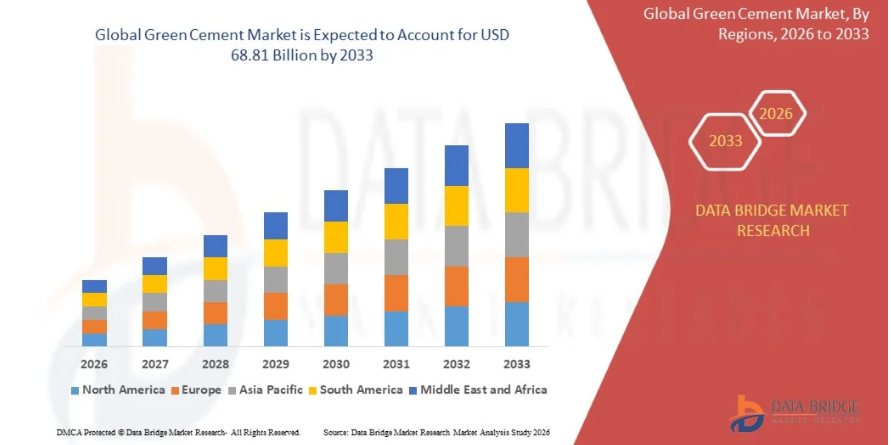
Executive Summary Green Cement Market Size and Share Forecast CAGR Value The global green cement market size was valued at USD 41.11 billion in 2025 and is expected to reach USD 68.81 billion by 2033, at a CAGR of 6.65% during the forecast period All the data and information involved in this Green Cement report has been represented very well in the form of graphs, charts, or tables...
There is a special kind of love that comes with being a dog owner. The enthusiastic welcome at the door, the loyal companion on rainy walks, the warm presence curled at your feet. But anyone who shares their life with a dog knows that love comes with a certain reality: muddy paw prints, shedding fur, the occasional accident, and that distinct "dog smell" that seems to weave itself into the...

Introduction The majority of users on Kheloyar make losses in live IPL games because they react emotionally, rather than understanding the game. The biggest error? Not recognizing early momentum. This article explains exactly how the 6th phase (end of the powerplay) affects match direction and how you can utilize the moment to make more intelligent and controlled choices instead of uninformed...

NEWARK, DE, United States – March 27, 2026 — The global agave nectar market is witnessing robust growth, driven by increasing demand for natural sugar alternatives and rising consumer awareness of low-glycemic sweeteners. Agave nectar, widely recognized for its plant-based origin and functional benefits, is gaining traction across the food and beverage industry. According to...