


Mastercard and Yellow Card Expand Stablecoin Payments Across Africa

The global financial industry is rapidly embracing digital assets as businesses seek faster and more efficient payment solutions. In a major development for digital finance, stablecoin payments are gaining momentum across emerging markets through strategic partnerships between traditional financial networks and crypto-focused fintech companies. Mastercard has announced a new collaboration with Yellow Card, one of Africa’s leading licensed stablecoin infrastructure providers, to expand stablecoin-powered payment solutions across the continent. (mastercard.com)
The partnership is designed to improve cross-border money movement, strengthen financial inclusion, and support digital commerce by integrating stablecoin technology into Mastercard’s global payments network. The initiative highlights the growing institutional adoption of blockchain-powered financial infrastructure within mainstream payment ecosystems.
Mastercard Expands Blockchain-Based Payment Strategy
Mastercard has been steadily increasing its involvement in blockchain and digital asset technologies over the past several years. The company’s collaboration with Yellow Card reflects a broader strategy focused on integrating stablecoins and blockchain settlement capabilities into traditional financial systems. (mastercard.com)
Through the partnership, Mastercard and Yellow Card aim to enable businesses, merchants, and consumers across Africa to access faster and more efficient digital payment services powered by stablecoins. The companies plan to improve international remittances, treasury operations, and cross-border transactions while reducing friction associated with conventional payment systems.
Mastercard stated that digital assets are increasingly becoming an important component of the future financial ecosystem, particularly in regions where payment infrastructure modernization and financial access remain major priorities.
Yellow Card Strengthens Stablecoin Infrastructure in Africa
Founded in 2016, Yellow Card has become one of the largest licensed stablecoin and cryptocurrency infrastructure providers operating across Africa. The company currently serves multiple African markets and focuses on enabling businesses and consumers to access secure digital asset services.
Yellow Card specializes in stablecoin-based financial services that support cross-border transactions, treasury management, remittances, and business payments. Stablecoins are digital assets typically pegged to fiat currencies such as the U.S. dollar, helping reduce the volatility commonly associated with cryptocurrencies.
By partnering with Mastercard, Yellow Card gains access to a broader payments ecosystem capable of supporting enterprise-scale financial services and global transaction connectivity.
Stablecoins Continue Expanding in Global Finance
Stablecoins have emerged as one of the fastest-growing areas within digital finance because they offer many advantages of blockchain technology without the extreme price volatility of traditional cryptocurrencies. Financial institutions increasingly view stablecoins as practical tools for:
-
Cross-border settlements
-
International remittances
-
Treasury management
-
Merchant payments
-
Liquidity optimization
-
24/7 transaction processing
Industry analysts have noted that stablecoins can significantly improve transaction speed and reduce settlement delays compared to legacy banking infrastructure.
The partnership between Mastercard and Yellow Card demonstrates how mainstream financial companies are increasingly integrating stablecoin infrastructure into regulated payment environments instead of treating digital assets as separate financial ecosystems.
Africa Emerges as a Major Digital Payments Market
Africa has become one of the world’s fastest-growing regions for digital payments and mobile financial services. Many countries across the continent continue experiencing strong demand for affordable cross-border transfers, digital commerce solutions, and alternative financial infrastructure.
High remittance costs, currency volatility, and limited access to traditional banking services have accelerated interest in blockchain-based financial solutions across African markets. Stablecoins are increasingly being adopted as a way to improve payment accessibility and transaction efficiency.
Mastercard’s collaboration with Yellow Card positions both companies to participate in the continued expansion of Africa’s digital financial ecosystem while supporting financial inclusion initiatives.
Cross-Border Payments Remain a Key Focus
Cross-border payments continue to represent one of the largest opportunities for blockchain-enabled financial innovation. Traditional international payment systems often involve high fees, long settlement times, and multiple intermediaries.
Stablecoin-powered infrastructure can streamline these processes by enabling near real-time settlement and reducing dependency on fragmented correspondent banking systems. Mastercard and Yellow Card aim to improve efficiency for businesses and individuals sending or receiving international payments across African markets.
The companies also emphasized the importance of building secure, compliant, and scalable payment infrastructure capable of supporting enterprise-grade financial operations.
Regulatory Compliance and Financial Security Remain Important
As stablecoin adoption increases globally, regulatory oversight and compliance remain critical priorities for financial institutions and fintech providers. Mastercard stated that its blockchain and digital asset initiatives continue operating within regulated financial frameworks focused on security, compliance, and consumer protection.
Yellow Card has also emphasized regulatory engagement and licensing across multiple African jurisdictions as part of its expansion strategy.
Industry experts continue stressing that regulatory clarity will play a major role in determining how quickly stablecoin-powered financial services scale globally. Governments and regulators are actively evaluating frameworks for stablecoin oversight, digital asset compliance, and financial stability protections.
Enterprise Interest in Stablecoins Continues Growing
The partnership reflects growing enterprise interest in stablecoins as practical financial infrastructure rather than speculative digital assets. Large payment providers, banks, and fintech companies are increasingly exploring how stablecoins can improve liquidity management and transaction efficiency.
Mastercard has already launched several blockchain-focused initiatives, including its Multi-Token Network, which aims to connect financial institutions and digital asset platforms through interoperable blockchain infrastructure.
Industry discussions suggest that stablecoins may become a foundational component of future global payment systems as institutions continue modernizing cross-border financial operations.
Financial Inclusion Remains a Core Objective
One of the central goals of the Mastercard-Yellow Card partnership is expanding financial inclusion across underserved regions. Many consumers and businesses across Africa still face challenges accessing affordable banking services and international payment systems.
Digital wallets, mobile financial platforms, and stablecoin infrastructure are increasingly helping bridge these gaps by enabling broader access to digital financial services.
The companies believe blockchain-powered payment systems can support economic growth by improving access to global commerce, reducing transaction costs, and enabling more efficient financial participation for businesses and consumers.
Conclusion
Mastercard’s partnership with Yellow Card represents another major milestone in the institutional adoption of stablecoin-powered financial infrastructure. By combining Mastercard’s global payment network with Yellow Card’s digital asset expertise, the companies aim to improve cross-border transactions, expand financial inclusion, and modernize payment infrastructure across Africa.
The collaboration also highlights the growing convergence between traditional finance and blockchain technology. As stablecoin adoption continues accelerating worldwide, partnerships between global payment providers and digital asset infrastructure companies are expected to play an increasingly important role in shaping the future of international finance.
FinTech News shares the latest trends and insights on fintech, digital banking, payments, AI in finance, and spend management.
Read related news - https://financetech-news.com/grant-thornton-gtap-transforms-audit-services/
Categorias
Leia Mais
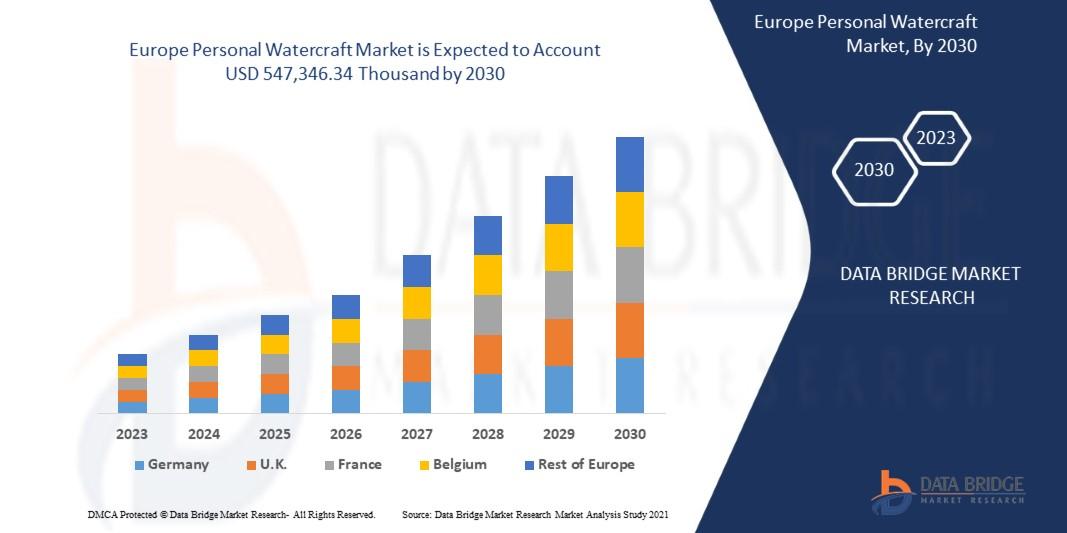
"Future of Executive Summary Europe Personal Watercraft Market Market: Size and Share Dynamics Data Bridge Market Research analyses that the Europe personal watercraft market is expected to reach USD 547,346.34 thousand by 2030, at a CAGR of 4.4% during the forecast period. The Europe personal watercraft market report also covers pricing analysis, patent analysis, and technological...
Future of Executive Summary Smart Home Appliances Market: Size and Share Dynamics The global smart home appliances market size was valued at USD 64.48 billion in 2024 and is expected to reach USD 183.96 billion by 2032, at a CAGR of 14.00% during the forecast period. To thrive in this rapidly transforming marketplace, today’s businesses call for...

When it comes to selling an unwanted vehicle, many people often find the process confusing or even questionable. However, services like cash for cars Melbourne are designed to make everything simple, transparent, and stress-free. With Car Wow Removals in Melbourne, you can turn your old, damaged, or unwanted car into instant cash without dealing with complicated paperwork or unreliable buyers....
" Graph Analytics Market Overview The global graph analytics market size was valued at USD 104.9 million in 2024. It is projected to reach from USD 140.51 million in 2025 to USD 1550.22 million by 2033, registering a CAGR of 35% during the forecast period (2025-2033). Download Exclusive Research Report PDF Sample: (Including Full TOC, List of Tables &...

Most SEO strategies fail not because the tactics are wrong, but because the thinking is too short-term. People want results in 30 days. They get frustrated at 90. They give up at 180 right before the compounding would have started. SEO rewards patience and punishes impatience. That's just the reality of it. Here's how to build a strategy that actually holds up over the long term. Start...