


How to Identify Sewer Odors and Their Possible Causes
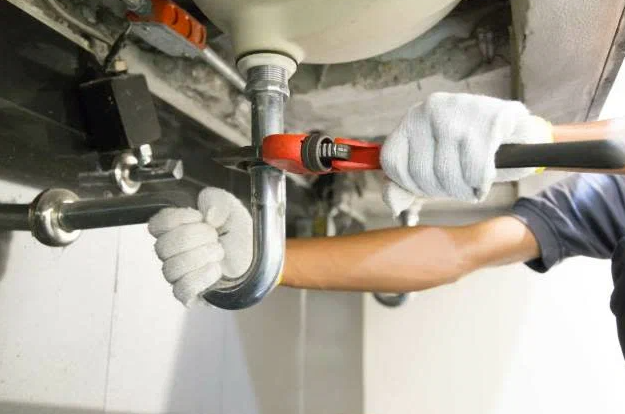
Sewer odors inside a home are not only unpleasant but can also indicate underlying plumbing problems that require prompt attention. While some smells may be temporary, recurring or persistent odors often signal issues that should not be ignored. Homeowners in areas like California often rely on Plumbing services in Chula Vista CA to diagnose and resolve such problems before they worsen. Understanding how to identify these odors and recognize their common sources can help you act quickly and protect your home from potential health risks and structural damage.
Understanding the Nature of Sewer Odors
Sewer odors typically resemble the smell of rotten eggs, resulting from hydrogen sulfide gas produced by decomposing organic matter. These smells can come from various parts of your home, including bathrooms, kitchens, basements, or laundry areas. The intensity of the odor can range from mild to strong, depending on the severity of the issue. Because these odors can indicate the presence of harmful bacteria or gas leaks, homeowners should take them seriously and investigate thoroughly.
Common Causes Behind Sewer Odors
Several plumbing-related issues can contribute to sewer odors in your home. Here are the most frequent causes:
1. Dry or Faulty P-Traps
P-traps are U-shaped pipes located under sinks, tubs, and other fixtures. They hold water that acts as a barrier to prevent sewer gases from entering your home. When a fixture isn’t used regularly, the water inside the trap can evaporate, allowing smells to escape. A dry P-trap is one of the simplest problems to fix—running water for a few seconds restores the barrier. In cases where the trap is damaged or installed incorrectly, repairs or replacement may be necessary.
2. Blocked or Dirty Drains
Over time, drains collect hair, soap scum, grease, food particles, and other debris. This buildup can cause blockages that produce foul odors. Even if water appears to drain normally, accumulated waste inside pipes can emit strong smells. Regular cleaning or the use of drain-safe cleaners can help, but persistent blockages might require professional help.
3. Broken or Cracked Sewer Lines
A damaged sewer line is a more serious cause of sewer odors. Cracks in underground pipes can cause sewage to leak, releasing odors both outside and inside the home. This issue may also result in slow drains, soil dampness, or pools of wastewater in the yard. Sewer line damage is typically due to aging pipes, tree root intrusion, shifting soil, or pressure overload. A professional plumber can perform a sewer camera inspection to pinpoint the problem.
4. Vent Pipe Blockages
Vent pipes remove sewer gases from your plumbing system and release them outdoors. When these pipes become blocked—often by leaves, debris, bird nests, or snow—gases can be forced back into your living space. A blocked vent pipe may also cause slow drainage, gurgling sounds from drains, or water backup. Clearing vent pipes can be dangerous without the proper tools and experience, so professional help is usually recommended.
5. Faulty Toilet Seals
A toilet has a wax ring that seals the base and prevents sewer gases from escaping. If the seal is damaged, loose, or worn out, foul odors can seep around the toilet area. You may also notice water pooling around the base or the toilet shifting slightly when pressure is applied. Replacing a wax ring is a straightforward job for professionals, but requires removing the toilet, which many homeowners prefer to avoid doing themselves.
6. Overfilled Septic Tank
Homes with septic systems may experience sewer odors when the tank becomes too full. As wastewater backs up, gases can travel back into the house. Signs of a full septic tank include slow drains, gurgling toilets, and moist or odorous soil near the drain field. Regular pumping and maintenance can prevent this issue.
How to Identify the Source of the Odor
Finding the exact source of sewer smells can be tricky, but a systematic approach can narrow down the possibilities:
Start by Checking Common Areas: Bathrooms and kitchens are the most frequent locations for sewer odors. Inspect drains, toilets, tubs, and sinks. Run water through unused fixtures to eliminate dry P-traps as a cause.
Look for Visual Signs: Water stains, mold, dampness, or puddles may indicate leaks or broken seals. Pay attention to outdoor areas as well, especially near the foundation or septic tank.
Listen for Unusual Sounds: Gurgling noises in the walls or drains can hint at vent blockages or sewer line issues.
Monitor Odor Intensity: If smells worsen when using water appliances like washing machines or dishwashers, the issue may be linked to the main sewer line.
Preventing Sewer Odors in Your Home
Prevention is key to minimizing the occurrence of sewer odors. Here are several effective tips:
- Run water through all fixtures regularly to keep P-traps full.
- Avoid pouring grease, oils, or food scraps down the drain.
- Clean drains weekly using mild household solutions.
- Install drain covers to reduce debris accumulation.
- Schedule periodic plumbing inspections to catch issues early.
- Ensure vent pipes remain unobstructed.
When to Call a Professional
While some sewer odor issues can be resolved with simple maintenance, persistent or strong smells often indicate deeper problems. Professional plumbers have the tools and knowledge to diagnose complex plumbing issues, conduct camera inspections, repair sewer lines, and ensure your home’s plumbing system remains safe and functional.
If you notice ongoing sewer odors despite your efforts, it is wise to contact a trusted plumbing expert. Prompt attention not only eliminates unpleasant smells but also protects your home from more serious problems like water damage, mold growth, or gas leaks.
Categorias
Leia mais
In modern office setups, an office cubicle partition plays a pivotal role in creating an organized, efficient, and productive workspace. These partitions are not just physical dividers; they define personal work zones, enhance focus, and reduce distractions in busy office environments. A well-planned cubicle partition system allows employees to have a sense of privacy while still...

A Quadratic Equation Solver is an essential mathematical tool that helps students, teachers, engineers, and professionals solve quadratic equations efficiently. Whether you are working on algebra homework, preparing for exams, or solving real-world mathematical problems, a reliable quadratic equation solver can save time and improve accuracy. Quadratic equations are among the most important...

The digital world has changed the way people interact, connect, and enjoy online experiences. Modern users prefer platforms that provide smooth navigation, reliable performance, and an engaging environment where they can access entertainment conveniently. With the continuous growth of technology, online platforms are focusing on improving user experience through advanced features, simple...

I’ll be the first to admit it: I’m a glutton for punishment. Hollow Knight: Silksong is already tough as nails, a brutal ballet of needle and thread where every misstep can send you tumbling into a pit of spikes. So you’d think I’d grab every lifeline the game throws at me—especially the quill. Bought from Shakra right at the start for a handful of rosaries, that...

As per Market Research Future, the global Power plant O&M services market is witnessing significant growth, driven by the increasing demand for reliable energy production and efficient plant operations. Operation and Maintenance (O&M) services play a pivotal role in ensuring that power plants operate at optimal performance levels, maintain regulatory compliance, and extend the lifespan...