


Why Structural Retrofitting is Important for Modern Buildings
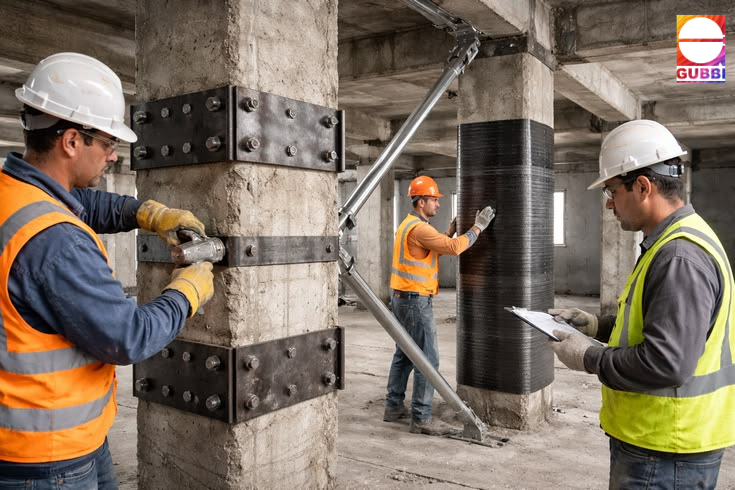
Modern infrastructure faces continuous pressure from aging materials, environmental exposure, changing building codes, and increased load requirements. Retrofitting in construction is the process of modifying existing structures to enhance their strength, durability, and overall performance. It plays an essential role in extending the life of residential, commercial, and industrial structures without complete demolition or reconstruction. Proper retrofitting ensures safety, cost efficiency, and structural stability for years to come.
What is Retrofitting in Construction?
Retrofitting refers to the modification and strengthening of old or damaged structures using advanced engineering techniques and construction solutions. Buildings often develop cracks, corrosion, foundation settlement, or weakened load-bearing elements over time. Structural retrofitting improves the performance of these buildings and helps them meet current safety standards. The process is widely used for concrete structures, bridges, factories, commercial spaces, and heritage buildings requiring restoration and reinforcement.
Why Retrofitting is Important for Buildings
Buildings naturally weaken over time due to weather exposure, heavy usage, moisture penetration, and material deterioration. In many cases, older structures were not designed to withstand modern environmental conditions or increased occupancy loads. Retrofitting becomes necessary to improve structural integrity and maintain safety standards. It also supports sustainable construction practices by reducing demolition waste and preserving existing infrastructure instead of replacing entire structures unnecessarily.
Retrofitting is especially important in earthquake-prone areas where buildings require seismic strengthening. Structures with weak foundations, corroded reinforcement bars, or damaged concrete surfaces are vulnerable to sudden failures. Strengthening these structures helps prevent accidents, protects occupants, and ensures compliance with updated engineering regulations. Many industries also retrofit industrial facilities to support heavy machinery and upgraded operational requirements safely and efficiently.
Common Signs a Structure Needs Retrofitting
Several visible and hidden signs indicate that a building may require retrofitting services. Cracks in walls, beams, slabs, or columns are among the most common warning signals. Water leakage, rust stains, exposed reinforcement bars, and uneven floors also suggest structural deterioration. Ignoring these issues can lead to severe damage over time, increasing repair costs and compromising building safety significantly.
Buildings constructed decades ago may not meet current structural design standards. Increased floor loads, additional equipment installations, or unauthorized modifications can weaken the structural framework. Retrofitting helps restore the building’s load-bearing capacity and prevents further deterioration. Early inspection and structural assessment allow engineers to identify vulnerable areas and implement effective strengthening solutions before critical failures occur.
Types of Retrofitting Techniques Used in Construction
Different retrofitting methods are selected based on the condition of the structure, environmental exposure, and load requirements. Concrete jacketing is one of the most widely used techniques for strengthening columns and beams. This process involves adding reinforced concrete layers around structural members to improve load-bearing capacity and durability. Steel jacketing is another effective method commonly used in industrial and commercial structures.
Fiber Reinforced Polymer wrapping, often called FRP wrapping, is a modern retrofitting technique used for strengthening concrete structures. It provides excellent durability, lightweight reinforcement, and corrosion resistance. Carbon fiber wrapping is particularly effective in improving seismic performance and structural stability. Other methods include epoxy injection for crack repair, foundation strengthening, and post-tensioning systems designed to restore structural balance and support.
Benefits of Retrofitting Existing Structures
Retrofitting offers several advantages compared to complete demolition and reconstruction. One major benefit is cost savings. Repairing and strengthening an existing building is often more economical than constructing a new structure from the ground up. Retrofitting also minimizes project downtime, allowing businesses and property owners to continue operations with limited disruption during construction activities.
Another important benefit is sustainability. Reusing existing structures reduces construction waste and lowers the environmental impact associated with new material production. Retrofitting also improves building efficiency, safety, and functionality. Upgraded structures can better withstand earthquakes, heavy loads, moisture exposure, and environmental wear. Property owners additionally benefit from increased asset value and reduced long-term maintenance costs after professional retrofitting work is completed.
Seismic Retrofitting and Earthquake Resistance
Seismic retrofitting focuses on strengthening buildings against earthquake forces and ground movement. Many older buildings were constructed before modern seismic standards became mandatory. These structures often lack the flexibility and reinforcement required to absorb seismic vibrations safely. Seismic retrofitting improves the building’s ability to resist lateral forces and reduces the risk of structural collapse during earthquakes.
Techniques used in seismic retrofitting include shear wall installation, column strengthening, steel bracing systems, and FRP wrapping. Engineers also improve foundation stability and load transfer mechanisms to enhance structural performance. Earthquake-resistant retrofitting is crucial for hospitals, schools, residential buildings, industrial facilities, and commercial complexes located in high-risk seismic zones. Proper retrofitting significantly increases occupant safety and structural resilience.
Waterproofing and Corrosion Protection in Retrofitting
Water penetration is one of the leading causes of structural deterioration in concrete buildings. Moisture exposure leads to reinforcement corrosion, concrete spalling, mold growth, and weakening of structural components. Retrofitting projects often include waterproofing solutions to prevent future damage and maintain structural durability. Effective waterproofing protects both internal and external building surfaces from moisture-related deterioration.
Corrosion protection systems are also integrated into retrofitting processes for industrial and coastal structures. Protective coatings, repair mortars, and anti-corrosion treatments help preserve reinforcement bars and concrete elements. Preventive maintenance combined with structural rehabilitation reduces repair frequency and improves long-term building performance. Proper waterproofing and corrosion control are essential for maintaining structural stability in harsh environmental conditions.
Industrial and Commercial Building Retrofitting
Industrial and commercial buildings frequently undergo retrofitting due to changing operational demands and increased equipment loads. Factories, warehouses, manufacturing plants, and commercial complexes require structural upgrades to accommodate machinery, storage systems, and expansion requirements. Retrofitting helps improve load-bearing capacity while ensuring operational safety and uninterrupted productivity within industrial environments.
Commercial retrofitting projects may also focus on improving building functionality, fire resistance, and energy efficiency. Strengthening structural systems enhances occupant safety while supporting future modifications or expansions. Structural audits and engineering evaluations help identify weak areas and determine suitable reinforcement methods. Industrial retrofitting requires precision planning, technical expertise, and high-quality materials to ensure reliable and long-lasting performance.
The Retrofitting Process Explained
The retrofitting process begins with a detailed structural inspection and condition assessment. Engineers analyze the building’s structural elements, identify damage patterns, and evaluate load-bearing capacity. Non-destructive testing methods are often used to assess concrete quality, reinforcement conditions, and hidden structural weaknesses. Accurate assessment helps engineers design effective strengthening strategies suitable for the building’s specific requirements.
After the assessment phase, engineers prepare a retrofitting plan that includes repair methods, materials, and execution procedures. Construction teams then carry out strengthening work using approved engineering techniques and quality standards. Continuous monitoring ensures proper implementation and structural safety throughout the project. Final inspections verify the effectiveness of retrofitting measures and confirm that the structure meets required performance standards.
Choosing the Right Retrofitting Company
Selecting an experienced retrofitting company is critical for ensuring quality workmanship and structural safety. A professional contractor should have expertise in structural engineering, concrete repair, waterproofing, and rehabilitation techniques. The company should also follow industry standards, safety regulations, and quality control procedures during every stage of the project execution process.
Experienced engineering teams use advanced technologies and modern materials to deliver reliable strengthening solutions. Proper project planning, technical evaluation, and skilled execution help prevent future structural issues and ensure long-term performance. Gubbi Civil Engineers Limited delivers professional retrofitting and structural strengthening solutions designed to improve building safety, durability, and operational efficiency across various construction sectors.
Future of Retrofitting in the Construction Industry
The demand for retrofitting services continues to grow as infrastructure ages and safety standards evolve. Urban development, industrial expansion, and environmental challenges are increasing the need for structural rehabilitation and strengthening projects worldwide. Modern retrofitting technologies now offer more efficient, durable, and cost-effective solutions for restoring damaged structures while minimizing operational disruptions.
Sustainable construction practices are also encouraging property owners to rehabilitate existing structures instead of demolishing them entirely. Advanced materials such as carbon fiber reinforcement, corrosion-resistant coatings, and high-performance repair systems are transforming the retrofitting industry. As infrastructure modernization continues, retrofitting will remain an essential solution for preserving structural safety, improving durability, and extending the service life of buildings and infrastructure assets.
Κατηγορίες
Διαβάζω περισσότερα
" According to the latest report published by Data Bridge Market Research, the Patient Monitoring Systems Market CAGR Value The global patient monitoring systems market size was valued at USD 56.65 billion in 2024 and is expected to reach USD 125.93 billion by 2032, at a CAGR of 10.50% during the forecast period Thorough and transparent research studies...

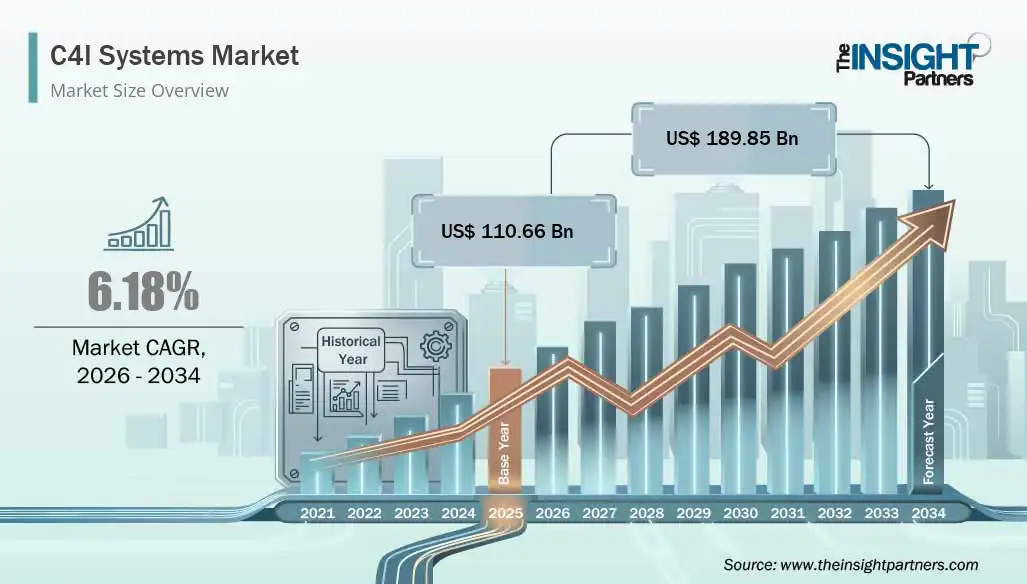
The landscape of modern warfare and defense operations is undergoing a profound digital transformation. As geopolitical tensions escalate globally, defense agencies are shifting away from traditional, siloed infrastructure toward hyper-connected, data-driven ecosystems. At the heart of this evolution are Command, Control, Communications, Computers, and Intelligence (C4I) systems. These...
The Orthoxylene Price Trend is an important topic for businesses that use this chemical in manufacturing and industrial production. Companies that depend on orthoxylene closely watch market movements because even small price changes can affect production costs and business planning. Like many industrial chemicals, Orthoxylene Prices do not remain constant throughout the year. They move up and...

A new growth forecast report titled Portable Fire Extinguisher Market Share, Size, Trends, Industry Analysis Report, By Agent (Dry Chemical, Carbon Dioxide, Water, Foam, and Others); By File Type; By Application; By Region; Segment Forecast, 2024 - 2032 introduced by Polaris Market Research represents conclusive data on the overall market. It majorly targets to provide a detailed...
Everyone said guest posting was dead. They said that in 2018. Then 2020. Then 2023. And yet here we are, still talking about it. Because it still works. Maybe better than ever, actually. The internet is noisier than before. More content, more competition, more everything. And that's exactly why getting your name on trusted sites matters more today than it ever did. The Basics Haven't...