DCA Check-In

Investing in the financial market can feel overwhelming, especially when prices constantly rise and fall. Many investors struggle with timing the market, worrying about whether they should buy now or wait for a better opportunity. This is where DCA Check-In becomes an essential strategy for disciplined investors. Dollar-Cost Averaging (DCA) is already one of the most trusted investment methods for reducing market timing risks. However, simply investing regularly is not enough. A proper DCA Check-In helps investors evaluate performance, adjust strategies, and stay aligned with financial goals without making emotional decisions.
What Is a DCA Check-In?
A DCA Check-In is a scheduled review of your Dollar-Cost Averaging investment strategy. Instead of reacting emotionally to market movements, investors periodically analyze their portfolio performance, contribution consistency, and long-term goals.
The main purpose of a DCA Check-In is not to predict market direction but to ensure your investment strategy remains effective and aligned with your objectives.
For example, if you invest a fixed amount every month into stocks, ETFs, or cryptocurrencies, a DCA Check-In allows you to assess:
- Whether you are investing consistently
- If your asset allocation still matches your goals
- How market conditions affect your average purchase price
- Whether your risk tolerance has changed
This process creates discipline and prevents impulsive financial decisions.
Why DCA Check-Ins Matter
1. Keeps Emotions Under Control
One of the biggest investing mistakes is emotional trading. During market crashes, many investors panic and sell assets at a loss. During bull markets, they often buy impulsively at high prices.
A regular DCA Check-In helps remove emotions from investing. Instead of reacting to daily price fluctuations, you focus on long-term progress.
2. Encourages Consistency
Consistency is the foundation of successful Dollar-Cost Averaging. A DCA Check-In reminds you to stay committed to your investment schedule.
Even during volatile periods, consistent investing often helps lower the average purchase cost over time.
3. Helps Measure Financial Progress
Without periodic reviews, investors may lose track of their goals. A DCA Check-In allows you to monitor portfolio growth and determine whether you are moving toward your financial objectives.
This could include goals like:
- Retirement savings
- Wealth building
- Buying a house
- Financial independence
4. Improves Risk Management
As markets change, your portfolio allocation may shift. A DCA Check-In helps identify whether your investments have become too risky or too conservative.
Rebalancing during check-ins can maintain a healthy investment structure.
How to Perform an Effective DCA Check-In
Review Your Investment Contributions
Start by checking whether you have consistently invested according to your DCA plan.
Ask yourself:
- Did I miss any scheduled investments?
- Am I investing the right amount?
- Can I increase my contribution?
Consistency matters more than market timing in a DCA strategy.
Analyze Portfolio Performance
A DCA Check-In is the perfect time to evaluate your portfolio’s overall performance.
Focus on:
- Total portfolio value
- Average purchase price
- Gains or losses
- Asset allocation
Remember that short-term losses are normal. The key is to analyze long-term trends rather than daily fluctuations.
Reassess Financial Goals
Your financial goals may evolve over time. During a DCA Check-In, ask yourself whether your current investment strategy still supports your objectives.
For example:
- Are you saving for retirement?
- Do you need more liquidity?
- Has your risk tolerance changed?
Adjustments should be based on goals, not fear or hype.
Evaluate Market Conditions Rationally
A DCA strategy works best when investors avoid emotional reactions. During your DCA Check-In, observe market conditions objectively.
Instead of asking:
“Should I stop investing because the market is falling?”
Ask:
“Does this market condition create long-term buying opportunities?”
This mindset shift can improve investment discipline significantly.
Best Frequency for a DCA Check-In
A common mistake is checking investments too often. Daily monitoring can lead to stress and emotional decisions.
Most financial experts recommend:
- Monthly check-ins for active investors
- Quarterly reviews for long-term investors
- Annual deep portfolio analysis
The ideal frequency depends on your goals and investment style. The key is consistency and avoiding obsession with short-term market movements.
Common Mistakes During a DCA Check-In
1. Overreacting to Market Volatility
Markets naturally fluctuate. Many investors abandon their DCA strategy during downturns, which often harms long-term performance.
A DCA Check-In should focus on long-term consistency rather than short-term fear.
2. Ignoring Portfolio Diversification
Investing in only one asset can increase risk significantly.
During your DCA Check-In, ensure your portfolio includes diversified investments such as:
- Stocks
- ETFs
- Bonds
- Cryptocurrencies
- Mutual funds
Diversification helps reduce risk exposure.
3. Chasing Trends
Some investors abandon their strategy to follow trending assets or viral investment advice.
A disciplined DCA Check-In should prioritize financial goals over market hype.
4. Not Tracking Progress
Without proper records, it becomes difficult to evaluate performance accurately.
Maintain a spreadsheet or investment tracker to monitor:
- Contributions
- Average buy price
- Portfolio growth
- Returns over time
This creates better financial awareness.
Benefits of Long-Term DCA Discipline
Investors who maintain regular DCA Check-Ins often experience several long-term advantages:
- Reduced emotional stress
- Better financial discipline
- Improved consistency
- Lower impact of market timing
- Stronger long-term wealth accumulation
The combination of Dollar-Cost Averaging and regular reviews creates a powerful investment habit.
Final Thoughts
A DCA Check-In is more than just reviewing numbers—it is a strategic habit that strengthens long-term investing success. While Dollar-Cost Averaging helps reduce the pressure of market timing, regular check-ins ensure your strategy remains aligned with your goals and risk tolerance. The most successful investors are not always the ones who predict the market correctly. Often, they are the ones who stay disciplined, consistent, and patient through every market cycle.
Categorias
Leia mais
For alliance leaders who have mistakenly invested badges in the wrong research branches or left their research queues inactive due to uncertainty about what to unlock next, understanding the research system in Last Z: Survival Shooter is crucial. Last Z features multiple research trees and starts players with one research lab. The game’s badge economy penalizes players who don’t...

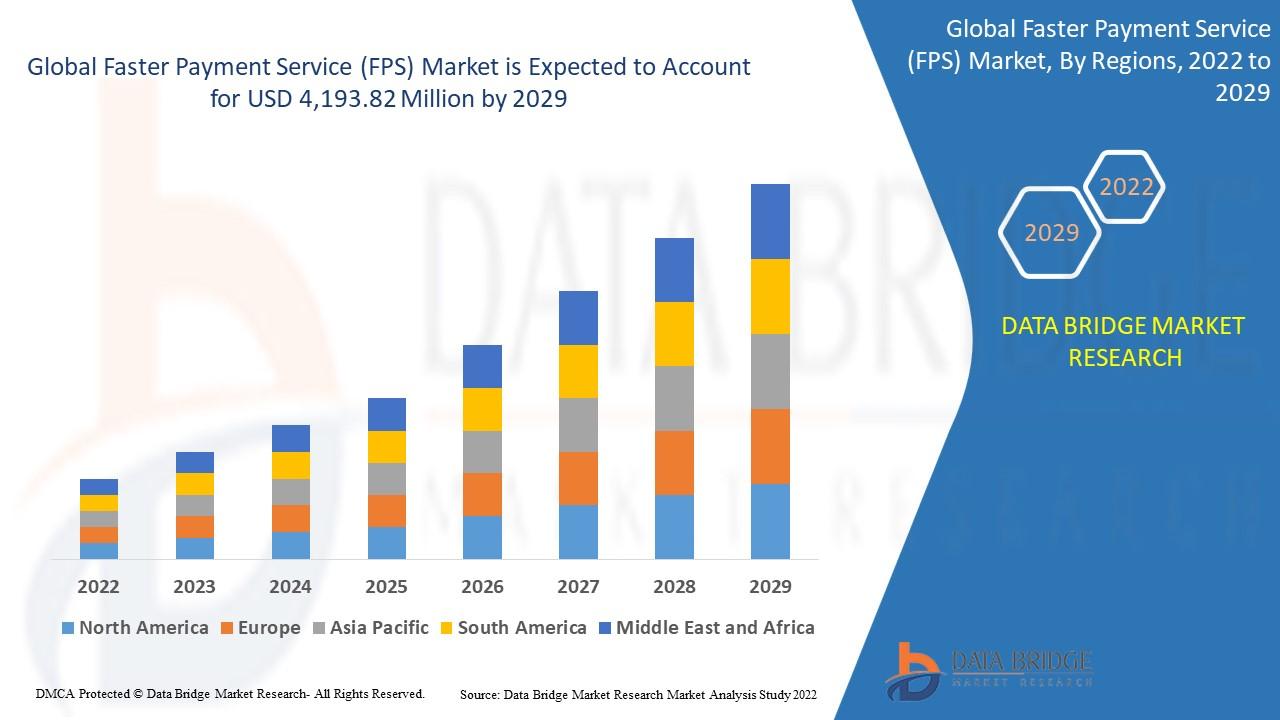
Key Drivers Impacting Executive Summary Faster Payment Service (FPS) Market Size and Share CAGR Value Faster payment service is breaking records each year. In 2020, faster payment services recorded 2.9 billion payments processed. This figure went on to rise to over 3.4 billion in 2021. The large-scale Faster Payment Service (FPS) Market report presents the best market and business...
Middle East and Africa Rugged Industrial Display Market : According to the latest report published by Data Bridge Market Research, the Middle East and Africa Rugged Industrial Display Market The Middle East and Africa rugged industrial display market size was valued at USD 1.32 billion in 2025 and is expected to reach USD 2.43 billion by 2033, at...
The household insecticide market is poised for substantial expansion, projected to reach a market size of USD 23.57 billion by 2035. This growth trajectory reflects a compound annual growth rate (CAGR) of 3.52% from 2024, when the market was valued at USD 16.11 billion. This positive outlook underscores the increasing consumer demand for effective pest control solutions, driven particularly by...

Brace for cutthroat clashes as Ryan Serhant's empire expands dramatically in Season 2 of his high-stakes brokerage chronicle. The brokerage explodes from 300 to over 1,000 agents, testing loyalty and survival in a ruthless "sell or leave" environment. New York City's intense battles spill into fresh territories, featuring record-breaking deals and jaw-dropping luxury properties unseen on...