DataWeave Mastery: Solving Complex Transformations with Advanced MuleSoft Consulting
Data serves as the lifeblood of the modern digital enterprise. However, data rarely exists in the format you need. Systems like SAP, Salesforce, and legacy databases all speak different languages. Bridging these gaps requires a powerful transformation engine. In the MuleSoft ecosystem, that engine is DataWeave. While basic mapping is simple, complex enterprise needs require deeper expertise. Professional MuleSoft Consulting helps organizations move beyond simple drag-and-drop links. This article explores how advanced logic and functional programming solve the toughest integration hurdles.
The Evolution of Data Transformation
Early integration tools relied on heavy Java coding or rigid XSLT mappings. These methods were slow and hard to maintain. MuleSoft introduced DataWeave to provide a functional, template-based approach. It handles JSON, XML, CSV, and Flat Files with high efficiency.
In 2026, data volumes have reached petabyte scales for many firms. Standard transformation logic often creates performance bottlenecks. Experts in MuleSoft Consulting Services focus on optimizing these scripts. They ensure that transformation logic does not slow down the entire API led network.
Why DataWeave Expertise Matters
DataWeave is more than a mapping tool. It is a fully functional programming language. It operates on the principle of immutability. This means it does not change the original data. Instead, it creates a new output based on defined rules.
Technical teams often struggle with nested structures. For example, converting a deeply nested XML from a legacy ERP into a flat JSON for a mobile app is difficult. Without advanced knowledge, developers write "spaghetti code." This code is fragile and breaks during updates. Professional consultants apply design patterns to make scripts modular and reusable.
Core Strategies for Complex Mapping
Advanced transformation requires a shift in mindset. You must stop thinking in loops and start thinking in functions.
-
Higher-Order Functions: Use functions like map, filter, and reduce to process arrays.
-
Pattern Matching: Replace complex "if-else" chains with the match operator for cleaner logic.
-
Recursive Logic: Handle unknown nesting levels in hierarchical data structures.
-
Dynamic Mapping: Create scripts that adapt based on the input metadata.
Statistics show that optimized DataWeave scripts can reduce CPU usage by up to 40%. This efficiency allows companies to process more transactions without increasing their vCore spend.
Solving the Heavy Lift: DataWeave and Big Data
Many organizations face "out of memory" errors when processing large files. A 500MB CSV file can crash a poorly configured Mule runtime. MuleSoft Consulting teams solve this through streaming.
DataWeave supports "Deferred Execution." This means the engine starts writing the output before it finishes reading the input.
-
Enable Streaming: Set the streaming property to true in the output directive.
-
Indexing: Access specific parts of a large file without loading the whole thing into RAM.
-
Partitions: Break large datasets into smaller chunks for parallel processing.
By using these techniques, consultants help firms process files that are five times larger than the available memory.
The Business Case for Advanced Consulting
Why should a business pay for specialized MuleSoft Consulting Services? The answer lies in long-term maintenance costs.
A "quick fix" script might work today. However, if that script is 500 lines of unorganized code, no one can fix it later. Experts build "DataWeave Libraries." These libraries store common functions like currency conversion or date formatting.
-
Reduced Rework: Libraries cut development time for future projects by 30%.
-
Lower Error Rates: Standardized logic prevents manual entry mistakes.
-
Faster Onboarding: New developers understand modular code much faster.
Handling Complex Industry Formats
Different industries use specific, difficult data formats. Healthcare relies on HL7 or FHIR. Finance uses SWIFT or ISO 20022. Retail depends on EDIFACT or X12.
Mapping these requires an understanding of industry standards. MuleSoft Consulting experts use the "Anypoint B2B Transmissions" modules. They combine these with custom DataWeave logic to validate data against industry schemas.
Example: Healthcare Data Normalization A hospital receives patient data from three different clinics. One uses XML, one uses JSON, and one uses a CSV. A master DataWeave script can:
-
Parse all three formats.
-
Remove duplicate records based on a unique ID.
-
Format dates into a single ISO standard.
-
Output a clean, unified FHIR resource for the central database.
Performance Tuning and Diagnostics
Advanced consultants do not just write code; they test its limits. They use the DataWeave Profiler to find slow spots.
Common performance killers include:
-
Global Variables: Using too many "var" definitions can slow down the execution.
-
Multiple Passes: Reading the same input multiple times wastes resources.
-
Heavy Lookups: Performing database calls inside a map function kills speed.
Instead, consultants recommend "Bulk Lookups." You gather all needed IDs first. You fetch the data in one call. Then, you use a DataWeave "lookup table" to join the data in memory. This strategy can improve API response times by over 50%.
Integrating AI with DataWeave
In 2026, AI plays a massive role in integration. MuleSoft Consulting Services now include AI-augmented mapping. Tools like Anypoint Code Builder use AI to suggest DataWeave logic.
However, AI often misses edge cases. An expert consultant reviews AI-generated scripts to ensure security. They check for "Injection Attacks" where malicious data might trick the script. They also ensure the AI logic follows the company’s specific data governance rules.
Managing Complex State and Variables
Sometimes, you need to track data across multiple records. While DataWeave is functional, you can simulate state using the "reduce" function.
Suppose you have a list of sales transactions. You need to calculate a running total for each region. A senior consultant writes a "reducer" that carries the total forward. This avoids the need for external storage or complex Java beans. It keeps the logic entirely within the integration layer.
Best Practices for Enterprise Teams
To achieve mastery, your team must follow a strict set of rules. MuleSoft Consulting partners usually implement these guidelines:
-
Use External Files: Never hard-code large mappings inside the Mule flow. Use .dwl files.
-
Write Unit Tests: Use MUnit to test every DataWeave script.
-
Document Logic: Use comments to explain the "why" behind complex math.
-
Version Control: Store all DataWeave libraries in Git.
Teams following these practices see a 25% reduction in production bugs. They also spend less time on "emergency" fixes during peak traffic hours.
Real-World Example: Retail Inventory Sync
A global retailer needed to sync inventory across 1,000 stores. The central system sent a massive flat file every hour. The legacy system could not handle the file size.
A MuleSoft Consulting team implemented a streaming DataWeave solution. The script transformed the flat file into small JSON batches. It sent these batches to a message queue.
-
Old Process: Took 4 hours and often crashed.
-
New Process: Takes 12 minutes with zero crashes.
-
Result: The retailer now has real-time stock levels on their website.
Overcoming the Learning Curve
DataWeave has a steep learning curve. The syntax feels strange to developers used to Java or Python. This is why many firms seek MuleSoft Consulting Services.
Consultants provide "Coached Development." They work alongside your internal team. They teach them how to use the "DataWeave Playground." This tool allows developers to test logic in real-time without running a full application. This hands-on training turns junior developers into integration specialists.
The Future of DataWeave
The language continues to evolve. Recent updates added support for "DataWeave Binary." This allows for the manipulation of binary data like images or PDF metadata.
As we move toward "Zero-Copy" architectures, DataWeave remains the primary tool for data virtualization. It allows you to create "Views" of data without moving it from the source. This reduces storage costs and improves data security.
Conclusion
Mastering DataWeave is a requirement for any modern enterprise. It is the difference between a sluggish system and a high-performance engine. While the basics are easy to learn, true "DataWeave Mastery" requires experience.
By engaging with MuleSoft Consulting, organizations avoid common pitfalls. They build systems that are fast, secure, and easy to maintain. In a world where data is everything, the way you transform that data determines your success. Whether you are handling big data, complex industry formats, or AI integration, advanced MuleSoft Consulting Services provide the roadmap to excellence.
High-quality integration is not just about connecting systems. It is about making data useful. With DataWeave, you turn raw information into business value. Invest in your transformation logic today to power your digital future.
Catégories
Lire la suite
According to the latest report published by Data Bridge Market Research, the Cosmetic Dyes Market Global cosmetic dyes market size was valued at USD 514.37 million in 2024 and is projected to reach USD 771.61 million by 2032, with a CAGR of 5.20% during the forecast period of 2025 to 2032. With the effectual use of technology, innovative applications and expertise, Cosmetic Dyes...

Cillian Murphy has denied whispers that he’s been tapped to play Lord Voldemort in HBO’s upcoming Harry Potter television adaptation. Speaking on the Happy Sad Confused podcast, Murphy said he’s not involved and that rumors mostly reach him through his children, who occasionally point them out. He added that following Ralph Fiennes’ portrayal would be a tall order,...

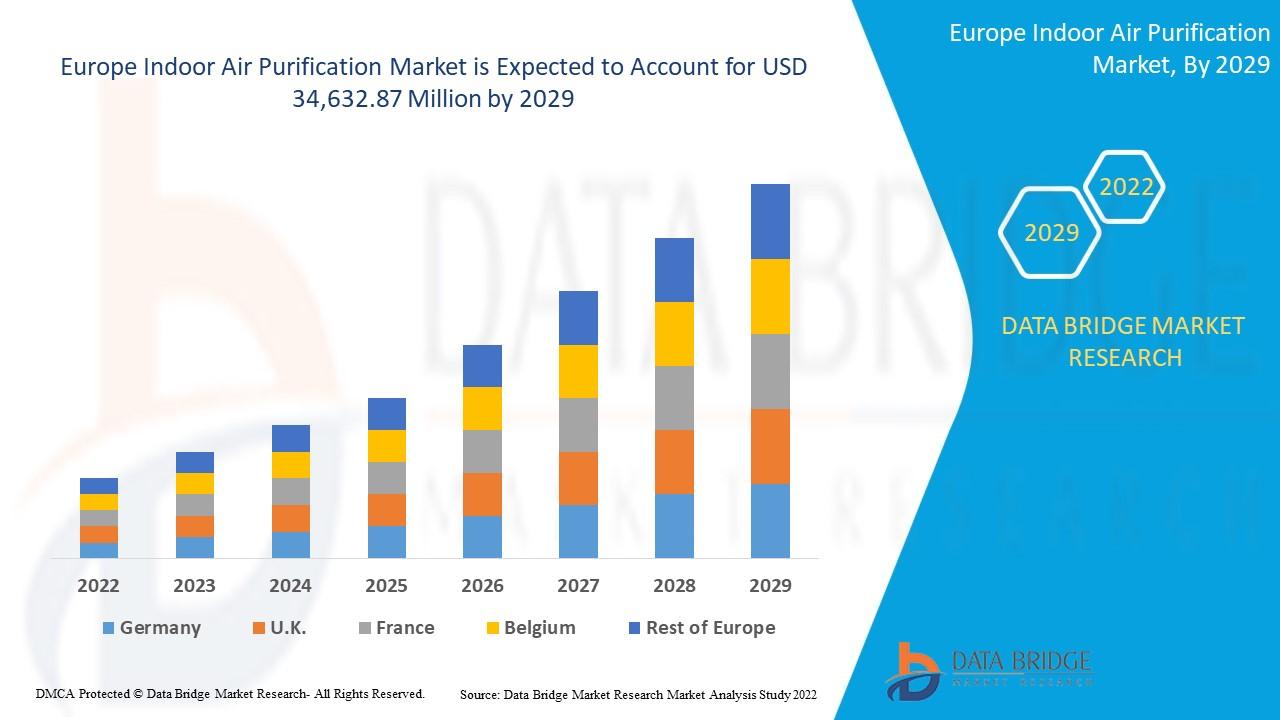
"Executive Summary Europe Indoor Air Purification Market Size and Share Forecast Data Bridge Market Research analyses that the indoor air purification market is expected to reach a value of USD 34,632.87 million by 2029, at a CAGR of 7.9% during the forecast period.This Europe Indoor Air Purification Market research report is a great resource that makes available current as well as...
The Women’s World Cup 2026 is expected to showcase the world’s best cricket talent as top players prepare to deliver match-winning performances, consistent form, and high-impact contributions in one of the biggest stages of women’s ODI cricket .. Women’s World Cup 2026 Top Players: Star Performers, Match Winners & Tournament Impact Every ICC tournament produces star...

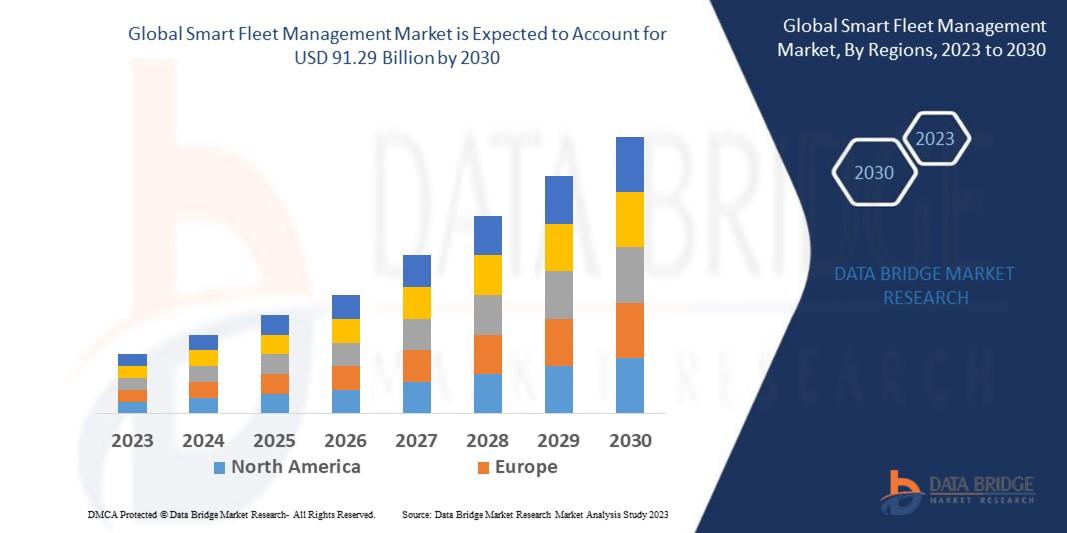
The Smart Fleet Management Market has emerged as one of the fastest-growing segments within the automotive and transportation industries. As fleets across logistics, construction, public transport, retail distribution, and industrial operations embrace digital transformation, smart fleet solutions are becoming mission-critical. These intelligent systems—powered by IoT, AI,...