


Winery Architecture South Africa: Designing Spaces Where Craft Meets Landscape
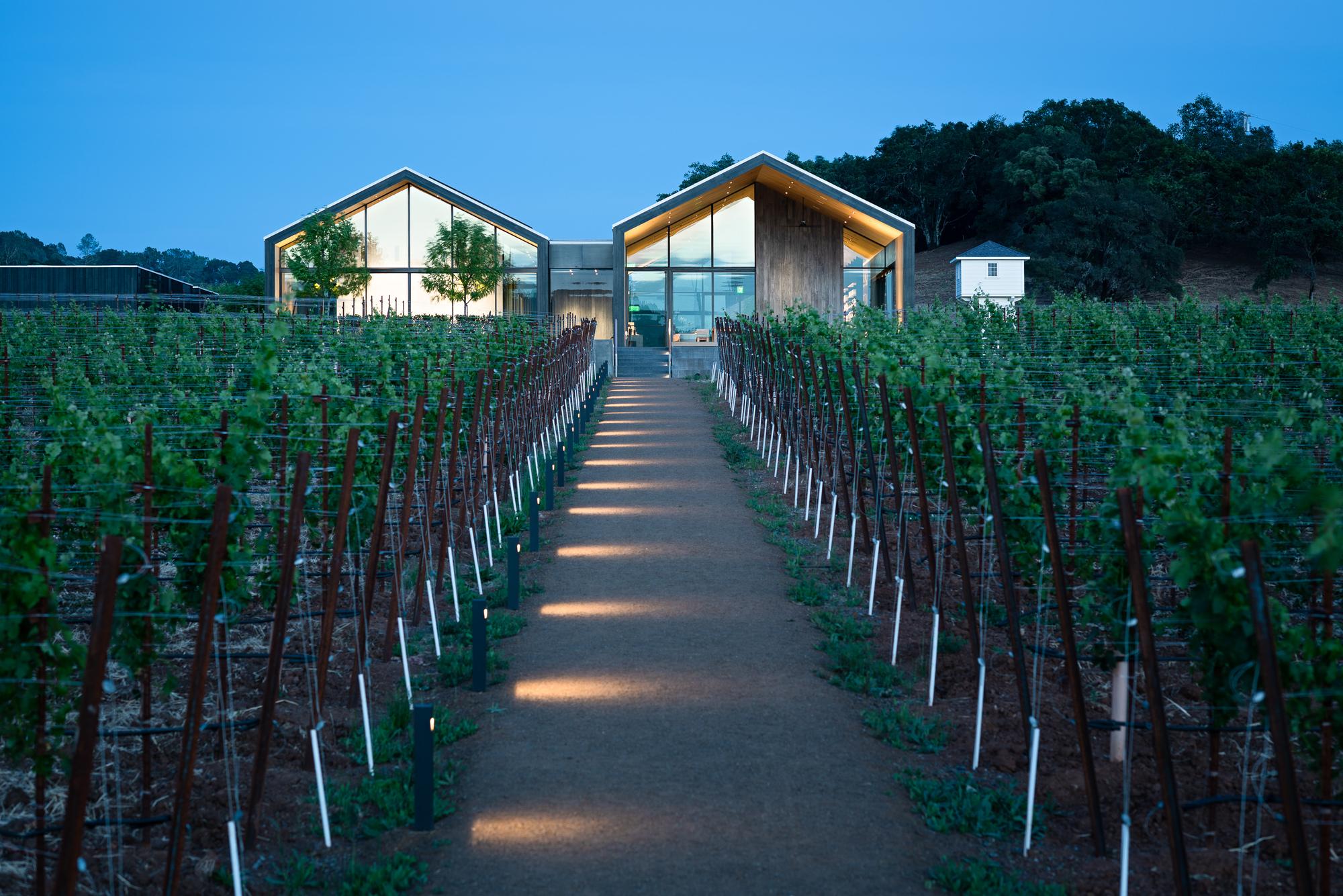
South Africa’s wine industry is shaped not only by climate and terroir but also by the spaces in which wine is produced and experienced. Across vineyard regions, architecture plays a central role in defining how wineries function and how they are perceived by visitors. This is where winery architecture in South Africa becomes essential, bringing together technical precision, environmental awareness, and a strong sense of identity to create spaces that support both production and experience.
The Relationship Between Wine Production and Design
At the core of every winery lies a carefully planned production process that requires efficiency and precision. From grape intake to fermentation, storage, and bottling, each stage must be supported by a layout that allows smooth workflow and minimal disruption. Architectural planning plays a critical role in organizing these functions in a way that enhances productivity while maintaining quality. Gravity-flow systems are often incorporated into winery layouts, allowing natural movement of grapes and liquids between levels.
This reduces the need for mechanical intervention and supports a more sustainable approach to production. The design must also consider accessibility, hygiene, and safety, ensuring that all operational requirements are met without compromising the overall aesthetic.
Integrating Architecture with the Landscape
South Africa’s wine regions are known for their dramatic landscapes, where vineyards stretch across valleys and hills. Architecture in these settings must respond to the natural environment, ensuring that buildings feel connected rather than intrusive. Structures are often positioned to follow the contours of the land, minimizing visual impact while maximizing views.
Natural materials such as stone, timber, and concrete are commonly used to create a sense of continuity with the surroundings. This approach allows wineries to become part of the landscape, enhancing both their visual appeal and environmental performance.
Designing Spaces for Visitors
Modern wineries are designed not only for production but also for experience. Tasting rooms, restaurants, and event spaces have become integral components of winery design, attracting visitors and enhancing brand identity.
Architecture plays a key role in shaping how these spaces are experienced, guiding movement and creating moments of interaction. Large windows, terraces, and open courtyards are often used to connect visitors with the surrounding vineyards. These design elements create a sense of openness and immersion, allowing guests to engage with both the architecture and the landscape. The goal is to create a journey that reflects the story of the winery, from production to tasting.
The Importance of Cellar Design
A critical aspect of winery architecture is the cellar, where wine is stored and matured under controlled conditions. Proper environmental control is essential to maintaining quality, requiring careful attention to temperature, humidity, and ventilation. In the context of wine cellar design in South Africa, cellars are often designed as partially or fully underground spaces to take advantage of natural insulation.
This approach helps maintain stable conditions while reducing energy consumption. The cellar must also be designed for accessibility and organization, ensuring that storage and handling processes are efficient.
The Role of Regional Expertise
Designing wineries in South Africa requires an understanding of local conditions, regulations, and cultural influences. Collaborating with an architect cape town provides valuable insight into how regional factors shape design decisions, particularly in coastal and urban-adjacent areas.
Local expertise ensures that projects are aligned with both environmental conditions and planning requirements. This knowledge helps navigate site-specific challenges and contributes to creating designs that are both practical and contextually appropriate.
Balancing Tradition and Contemporary Design
South African winery architecture often reflects a balance between historical influence and modern innovation. Traditional forms and materials are combined with contemporary design principles to create spaces that feel both authentic and forward-looking.
Clean lines, open layouts, and modern construction techniques are often used alongside natural textures and traditional elements. This combination allows wineries to maintain a connection to their heritage while presenting a contemporary image that appeals to modern audiences.
Sustainability and Long-Term Performance
Sustainability has become an important consideration in winery design, influencing both construction and operation. Energy-efficient systems, passive design strategies, and responsible material selection all contribute to reducing environmental impact.
By integrating sustainability into the design process, wineries can achieve long-term performance and cost efficiency. These strategies also enhance the overall value of the property, ensuring that it remains functional and relevant over time.
Creating Architecture That Reflects Identity
Every winery has a unique story, shaped by its location, history, and approach to winemaking. Architecture plays a key role in expressing this identity, creating spaces that reflect the character and vision of the estate.
From production areas to visitor spaces, each element of the design contributes to a cohesive narrative. In the end, winery architecture in South Africa is about more than buildings; it is about creating environments where craftsmanship, landscape, and experience come together to define the essence of wine.
Categorie
Leggi tutto
Introduction to Water Loss and Infrastructure Challenges Water scarcity is becoming a serious concern across many regions, especially in countries like India where agriculture and urban development heavily depend on efficient water management. One of the biggest challenges in irrigation infrastructure is water loss due to seepage in unlined canals. Studies and field observations show that a...
Fueling a Nation, Powering a Continent: A Comprehensive Analysis of the Algerian Oil and Gas Market Algeria stands as a giant in the global energy landscape. As a leading producer of natural gas and a significant player in the oil market, its hydrocarbon sector is not just the backbone of its own economy but a critical source of energy for Europe and beyond. According to a detailed report by...

"Executive Summary 360-Degree Camera Market: Growth Trends and Share Breakdown The global 360-degree camera market size was valued at USD 1.80 billion in 2024 and is expected to reach USD 10.36 billion by 2032, at a CAGR of 24.46% during the forecast period 360-Degree Camera Market research report is a verified source of data and information that provides a...

Smart City Parking Solutions: Driving Innovation in the Vehicle Parking Meter Market Rapid urbanization, increasing vehicle ownership, and growing traffic congestion are placing immense pressure on city infrastructure. Efficient parking management has become a critical concern for urban planners, leading to the adoption of smart city parking solutions. These advanced systems leverage...

Los mejores casinos online españa han adoptado modelos omnicanal que permiten la integración fluida de múltiples puntos de acceso digital, como aplicaciones móviles, navegadores web y plataformas híbridas. Esta convergencia garantiza que los usuarios puedan interactuar con los mejores casinos online España sin interrupciones, independientemente del...