How Automation in Chronic Care Management Services Reduces Administrative Burden

Healthcare providers face increasing pressure to manage growing patient volumes while maintaining accuracy, compliance, and efficiency. Administrative tasks often consume time that could support direct patient care. Documentation, follow-ups, and data entry can create delays and strain resources. Automation offers a practical solution by simplifying workflows, reducing errors, and helping care teams focus on delivering timely, meaningful clinical support.
Here's How Chronic Care Management Lowers Administrative Burden
Automation significantly improves workflow efficiency by removing repetitive administrative tasks and ensuring consistency in operations. It allows healthcare teams to manage patient information, communication, and documentation with minimal manual effort. The chronic care management services create a smoother and more reliable system that supports both providers and patients effectively.
Automating Patient Data Collection
Digital tools automatically gather patient vitals and symptom updates, reducing reliance on manual input. This ensures accurate, consistent data collection while saving staff time and minimizing the risk of human error significantly. Additionally, continuous monitoring supports better clinical awareness and reduces the need for frequent manual patient check-ins.
These systems also standardize data inputs across different patients, making comparisons easier and helping providers identify subtle trends that may otherwise be overlooked.
Simplifying Documentation and Record-Keeping
Automated systems record patient interactions in real time, creating organized and timestamped documentation. This reduces paperwork, supports compliance requirements, and allows healthcare providers to access complete records without delays or missing information. It also improves audit readiness and ensures that all required data points are consistently captured.
By maintaining structured records automatically, practices can reduce time spent searching for information and ensure that documentation supports both clinical and administrative needs effectively.
Enhancing Care Team Coordination
Centralized platforms enable seamless communication between care team members by providing shared access to patient data. This reduces duplication of work, improves collaboration, and ensures everyone stays aligned on treatment plans and patient progress. As a result, teams can respond faster and avoid unnecessary delays in decision-making processes.
Improved coordination also supports continuity of care, ensuring that patients receive consistent guidance and reducing confusion caused by fragmented or incomplete communication between providers.
Intelligent Alerts for Timely Intervention
Automated alert systems identify patients showing concerning trends and notify staff immediately. This helps prioritize care, prevents missed follow-ups, and enables faster intervention, improving outcomes while reducing the need for constant manual monitoring. These alerts ensure that attention is directed where it is most needed at the right time.
Timely alerts allow providers to act before conditions worsen, supporting preventive care approaches and reducing the likelihood of emergency visits or avoidable complications later.
Integration with Existing Systems
Automation integrates with electronic health records and communication tools, creating a unified workflow. This eliminates the need to switch between multiple systems, reduces inefficiencies, and ensures that all patient-related activities are captured accurately. It also supports smoother operations by keeping all essential information accessible within a single environment.
Seamless integration also helps maintain consistency across platforms, reducing data silos and ensuring that information flows efficiently between administrative and clinical systems without disruption.
Operational Gains Through Smart Automation
Automation continues to introduce measurable improvements across healthcare environments by supporting consistency, accuracy, and operational efficiency while reducing unnecessary workload pressures on staff.
Improved Workflow Visibility
Clear system tracking allows teams to monitor tasks, identify gaps, and maintain accountability across all patient care processes.
Reduced Staff Burnout
By minimizing repetitive administrative duties, automation helps staff focus on meaningful work and reduces overall workplace stress.
Faster Decision Making
Access to organized, real-time data enables providers to make quicker and more informed clinical and administrative decisions.
Enhanced Data Accuracy
Automated processes reduce manual errors, ensuring reliable patient information and improving overall documentation quality across systems.
Scalable Care Delivery
Practices can manage larger patient populations efficiently without proportionally increasing administrative workload or staffing requirements.
Better Patient Experience
Streamlined systems support timely communication and smoother care interactions, leading to improved satisfaction and stronger patient engagement.
Simplifying Care Through Smarter Systems
Automation continues to reshape healthcare by easing administrative demands and improving operational clarity. Streamlining routine tasks allows care teams to dedicate more time to patient needs.
Platforms like CareIQ demonstrate how structured automation can support consistency without adding complexity, helping providers manage responsibilities efficiently while maintaining high standards of care delivery. These improvements also support more stable workflows and better use of available staff time.
Categorias
Leia Mais
According to a new report from Intel Market Research, Global Smart Airport Technologies market was valued at USD 10.4 billion in 2024 and is projected to reach USD 25.96 billion by 2032, growing at a robust CAGR of 13.8% during the forecast period (2025–2032). 📥 Download Sample Report: Smart Airport Technologies Market - View in Detailed Research Report This transformation is being...
Coffee and music share a timeless connection both awaken the senses, inspire ideas, and bring people together. Across the United States and beyond, cafés have evolved into vibrant cultural spaces where melodies flow as freely as espresso. From ambient background tunes to intimate live performances, the fusion of coffee and music creates an atmosphere that fuels creativity, productivity,...

From the perspective of the UEF Foundation, flourishing doesn’t simply mean chasing worldly gains: it begins with inner peace — the quiet core that allows our whole being to grow. What Does It Mean to Flourish? The UEF Foundation defines human flourishing as a kind of holistic well-being that goes far beyond momentary joy or comfort. It includes emotional, spiritual, mental, and...

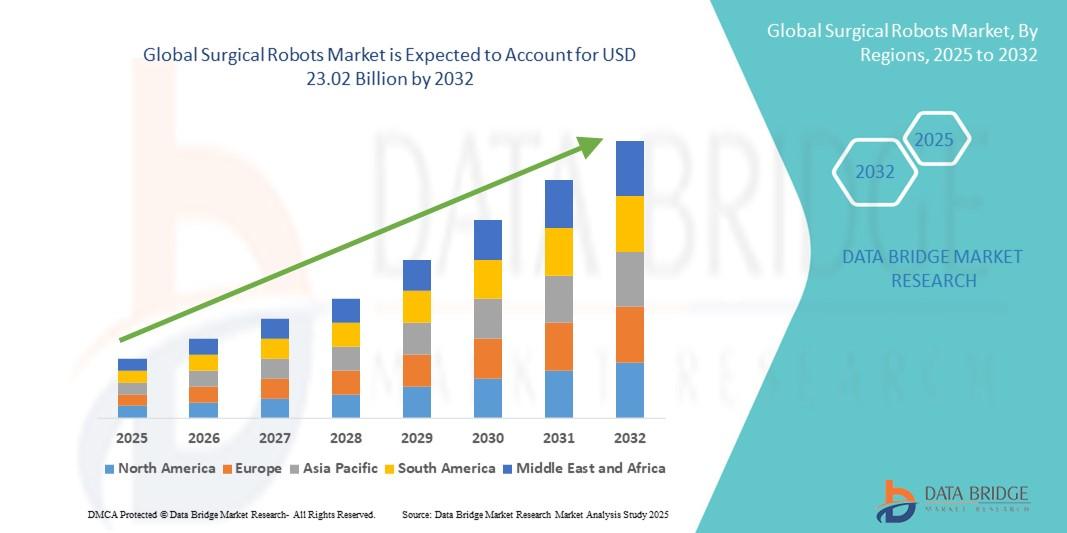
"Global Executive Summary Surgical Robots Market: Size, Share, and Forecast CAGR Value The global surgical robots market size was valued at USD 6.12 billion in 2024 and is expected to reach USD 23.02 billion by 2032, at a CAGR of 18.00% during the forecast period The Surgical Robots Market analysis report focuses on leading global industry players, providing...
"Orange is the New Black" Fans Show Remarkable Loyalty Through Repeat Viewing Netflix recently unveiled fascinating insights about viewing patterns for one of its most beloved original series, "Orange is the New Black." According to their data from over 190 countries, a remarkable 53% of viewers have revisited at least one complete season since the show's 2013 launch. This repeat viewing...