Women Health Physiotherapy for Better Strength & Wellness
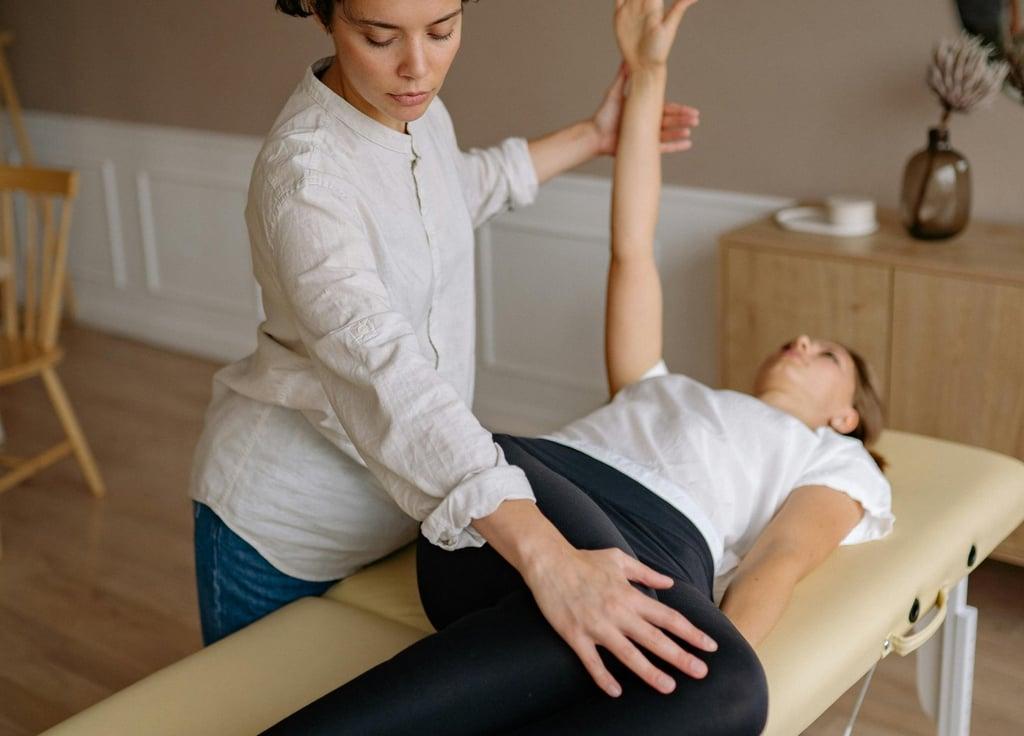
Women experience several physical changes throughout life that can affect mobility, posture, muscle strength, and overall physical wellness. Factors such as pregnancy, hormonal changes, long working hours, stress, lifestyle habits, and postural imbalance often contribute to body pain, pelvic discomfort, muscle weakness, and reduced flexibility. In recent years, women health physiotherapy has become an important part of preventive care and physical rehabilitation for women of all age groups.
Women’s physiotherapy focuses on improving strength, mobility, posture, pelvic health, and recovery through personalised rehabilitation programs. It helps women manage pain, restore movement, improve body balance, and maintain overall physical health naturally. From pregnancy support to pelvic floor rehabilitation and post-delivery recovery, physiotherapy plays a major role in supporting women’s wellness and daily comfort.
Understanding Women Health Physiotherapy
Women health physiotherapy is a specialised branch of physiotherapy designed to address conditions and physical challenges commonly experienced by women. Treatment plans are customised according to age, lifestyle, physical condition, and recovery goals.
This form of physiotherapy focuses on:
-
Pelvic floor rehabilitation
-
Post-pregnancy recovery
-
Lower back pain management
-
Posture correction
-
Core strengthening
-
Joint and muscle pain relief
-
Mobility improvement
-
Prenatal and postnatal rehabilitation
Women’s physiotherapy combines movement therapy, strengthening exercises, posture correction, stretching techniques, and rehabilitation programs to improve physical health and body function.
Common Conditions Treated with Women’s Physiotherapy
Pelvic Floor Weakness
Pelvic floor muscles support important organs and help maintain bladder and bowel control. Weak pelvic floor muscles may lead to urinary leakage, discomfort, and reduced physical stability.
Pelvic floor physiotherapy in Noida is increasingly recommended for women dealing with post-pregnancy weakness, pelvic discomfort, and bladder control issues. Physiotherapists use targeted exercises and rehabilitation techniques to improve pelvic muscle strength and support recovery.
Lower Back Pain
Lower back pain is one of the most common concerns among women. Poor posture, prolonged sitting, pregnancy, and muscle weakness can place extra pressure on the lower spine.
Women health physiotherapy helps improve posture, strengthen supporting muscles, and reduce pressure on the back through guided rehabilitation exercises.
Post Pregnancy Recovery
Pregnancy and childbirth create significant physical stress on the body. Many women experience abdominal weakness, pelvic pain, posture imbalance, and muscle tightness after delivery.
Postnatal physiotherapy supports recovery by improving strength, flexibility, pelvic stability, and overall body movement. It also helps women safely return to normal activities and fitness routines.
Pelvic Pain and Discomfort
Pelvic pain can affect daily activities, movement, and physical comfort. Physiotherapy treatment focuses on muscle relaxation, mobility improvement, and strengthening exercises to manage discomfort naturally.
Posture-Related Pain
Long hours of sitting, work-related stress, and improper body mechanics can lead to neck pain, shoulder stiffness, and spinal discomfort. Posture correction exercises and movement therapy can help reduce strain and improve body alignment.
Importance of Pelvic Floor Physiotherapy
Pelvic floor physiotherapy has become an important part of women’s healthcare and rehabilitation. Pelvic floor muscles support the bladder, uterus, and bowel while also helping maintain core stability and posture.
Weakness in these muscles may occur due to pregnancy, ageing, hormonal changes, obesity, or physical strain. Many women ignore symptoms such as urinary leakage, pelvic heaviness, or discomfort because they feel uncomfortable discussing them.
Pelvic floor rehabilitation helps improve muscle control, physical stability, and daily comfort. It is often recommended during pregnancy recovery, after childbirth, and for women experiencing pelvic weakness or discomfort.
Benefits of Women Health Physiotherapy
Pain Relief
Physiotherapy techniques help reduce muscle tension, improve movement, and manage pain naturally without depending heavily on medication.
Better Mobility and Flexibility
Stretching and rehabilitation exercises improve body movement, flexibility, and physical comfort.
Improved Posture
Posture correction programs help reduce spinal stress and muscular imbalance caused by long sitting hours or physical strain.
Stronger Core and Pelvic Muscles
Core strengthening exercises support pelvic stability, body balance, and functional movement.
Faster Recovery Support
Women recovering from pregnancy, injuries, or physical weakness often benefit from structured physiotherapy rehabilitation.
Better Physical Wellness
Regular physiotherapy support can improve body awareness, movement quality, flexibility, and overall physical health.
Physiotherapy Support During Pregnancy and After Delivery
Pregnancy changes body posture, weight distribution, and muscle function significantly. Many women experience back pain, swelling, pelvic discomfort, and fatigue during this period.
Prenatal physiotherapy focuses on posture care, pelvic support, breathing exercises, flexibility, and movement training to improve comfort during pregnancy.
After delivery, postnatal physiotherapy helps restore muscle strength, improve pelvic stability, and support recovery from physical stress caused by childbirth. Rehabilitation exercises are designed to improve mobility safely and gradually.
Women who receive physiotherapy support before and after delivery often recover physical strength and confidence more effectively.
Lifestyle Factors Affecting Women’s Physical Health
Modern lifestyle habits have increased physical stress among women. Long sitting hours, lack of physical activity, stress, poor posture, and repetitive work movements often contribute to body pain and muscular imbalance.
Hormonal changes during pregnancy, menopause, and ageing can also affect joint health, flexibility, and muscle strength. Ignoring these issues may gradually lead to chronic pain and reduced mobility.
Regular movement, exercise, posture awareness, and physiotherapy support can help maintain better physical health and prevent long-term discomfort.
Choosing the Right Women Physiotherapist in Noida
When selecting a women physiotherapist in Noida, it is important to choose professionals who understand women’s physical health concerns and rehabilitation needs. A personalised approach, proper assessment, and evidence-based treatment methods can improve recovery outcomes significantly.
Many rehabilitation clinics now provide specialised women’s physiotherapy programs focused on pelvic floor rehabilitation, posture correction, prenatal recovery, and pain management.
One such rehabilitation-focused clinic is Movement With Physios, based at Noida Indoor Stadium. The clinic provides physiotherapy care focused on women’s wellness, rehabilitation, mobility improvement, posture correction, and recovery support through personalised treatment programs.
Conclusion
Women health physiotherapy plays an important role in improving physical wellness, posture, mobility, and recovery at different stages of life. Whether dealing with pelvic floor weakness, pregnancy-related discomfort, lower back pain, or posture imbalance, physiotherapy can support long-term physical health naturally.
As awareness about women’s rehabilitation and wellness continues to grow, more women are choosing physiotherapy for pain management, recovery, and mobility improvement. Seeking professional support early can help improve daily comfort, physical confidence, and overall quality of life.
FAQs
1. What is women health physiotherapy?
A: Women health physiotherapy focuses on treating physical conditions commonly experienced by women, including pelvic pain, posture issues, pregnancy recovery, and pelvic floor weakness.
2. What is pelvic floor physiotherapy?
A: Pelvic floor physiotherapy helps strengthen pelvic muscles to improve bladder control, pelvic stability, and physical comfort.
3. Can physiotherapy help after pregnancy?
A: Yes, post pregnancy physiotherapy helps improve strength, posture, flexibility, and pelvic stability after childbirth.
4. Why do women experience lower back pain?
A: Poor posture, pregnancy, muscle weakness, prolonged sitting, and lifestyle habits are common causes of lower back pain in women.
5. How do I choose the best women physiotherapist in Noida?
A: Look for experienced physiotherapists who provide personalised rehabilitation programs focused on women’s wellness, posture correction, and recovery support.
Catégories
Lire la suite
Agriculture land for sale near Vrindavan is attracting attention from investors, farmers, and nature-loving buyers who want more than just land—they want long-term value, peace, and purpose. Located close to the sacred city of Vrindavan, this region offers fertile soil, calm surroundings, and growing development, making it one of the most promising destinations for agricultural land...

The global audio technology industry is witnessing rapid advancements as demand for compact, high-performance sound capture devices continues to rise across consumer electronics, healthcare, automotive, and professional audio applications. Electret condenser microphones are becoming increasingly important in modern smart devices due to their lightweight design, affordability, enhanced...

Getting started on any digital platform should feel simple and stress-free, especially in 2026 where users expect quick access and easy setup. Introduction Getting started on any digital platform should feel simple and stress-free, especially in 2026 where users expect quick access and easy setup. Gold365 has gained popularity partly because of how smooth its onboarding process is, particularly...

Weight loss supplements are one of the fastest-growing health products in the market today. Millions of people are searching for simple solutions to burn fat, boost metabolism, and lose weight faster. Recently, Burn Slim has become one of the most talked-about fat-burning supplements online. However, whenever a supplement becomes popular, many questions also appear. Some people claim it works...

In competitive iGaming environments, the real constraint isn’t traffic availability—it’s acquiring traffic that converts without destroying margins. Many operators attempt to buy gambling traffic aggressively, only to discover that rising CPCs, declining intent quality, and compliance friction erode profitability faster than expected. Platforms...