


Industrial Towel Production Line Automation Systems
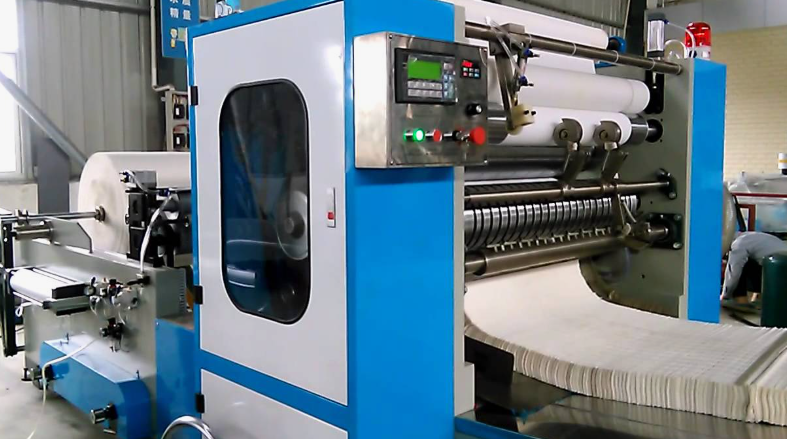
The global textile industry is currently undergoing a seismic shift. As labor costs rise and the demand for high-quality, consistent home textiles surges, manufacturers are moving away from manual operations toward fully integrated smart factories. At the heart of this transformation is the Industrial Towel Production Line Automation System.
For decades, towel manufacturing was a labor-intensive process, prone to human error and physical strain. Today, automation has redefined the "loom-to-shelf" timeline, ensuring that every loop is perfect and every hem is straight. In this comprehensive guide, we will analyze the technical components, economic benefits, and future trends of towel production automation.
The Anatomy of a Modern Towel Production Line
An automated production line is not just a collection of machines; it is a synchronized ecosystem where hardware and software communicate in real-time. To understand the efficiency of these systems, we must break down the core stages.
Automated Longitudinal Cutting and Hemming
The journey begins with the large rolls of terry fabric produced by weaving machines. In a manual setup, cutting these rolls into individual towel widths is hazardous and imprecise. Automated longitudinal cutting systems use laser sensors or mechanical blades to slice the fabric with millimeter precision. Following the cut, high-speed hemming units fold and stitch the sides automatically, ensuring uniform tension that prevents the "puckering" often seen in hand-sewn products.
Cross-Cutting and Cross-Hemming
Once the sides are finished, the fabric must be cut to length. This is where Towel Automation shines. Integrated sensors detect the "borders" or "cams" of the towel, triggering a precise guillotine cut. The cross-hemming unit then takes over, folding the ends and applying decorative or structural stitches. Modern systems can even handle "label insertion" during this phase, sewing brand or care labels into the seam without slowing down the line.
Why Manufacturers are Switching to Towel Automation
The transition to a fully automated line is a significant capital investment, but the Return on Investment (ROI) is often realized within 18 to 24 months.
Drastic Reduction in Labor Costs
A traditional manual hemming department might require 20 to 30 skilled operators to match the output of a single automated line managed by just two technicians. This allows manufacturers to reallocate their human capital to more creative or complex tasks.
Consistency and Quality Control
Human fatigue is the enemy of quality. After eight hours of repetitive sewing, an operator's precision naturally fluctuates. An automated system maintains the same stitch density and hem width from the first towel of the day to the last, leading to a "Zero-Defect" production environment.
Material Savings
Manual cutting often results in "over-cutting" to ensure safety margins, leading to significant fabric waste. Automated sensors minimize the gap between cuts, potentially saving thousands of square meters of fabric over a year of production.
Addressing the Challenges: Maintenance and Skill Gaps
While the benefits are clear, the adoption of industrial automation requires a change in organizational mindset.
Technical Expertise: The workforce needs to transition from "operators" to "technicians." Understanding how to calibrate sensors and troubleshoot software is more important than knowing how to guide fabric through a needle.Preventative Maintenance: Because the line is integrated, a failure in one section can stop the entire process. Implementing a robust preventative maintenance schedule is essential to avoid costly downtime.
Sustainability and the "Green" Factory
Modern automation systems are designed with energy efficiency in mind. High-efficiency motors and vacuum systems (used to remove lint and thread scraps) are engineered to consume less power. Furthermore, by reducing fabric waste and minimizing the chemical footprint of "re-works" (fixing mistakes), automation plays a vital role in the textile industry's sustainability goals.
Elevating Your Production with Texserco
When searching for the pinnacle of textile engineering, manufacturers require a partner that understands the nuances of terry fabric. At Texserco, we specialize in providing state-of-the-art solutions tailored to the needs of modern textile mills.
Our range of Towel Automation Systems is designed for durability, high-speed output, and ease of use. Whether you are looking for a standalone longitudinal hemming machine or a fully integrated cross-cutting and folding line, Texserco provides the technology that turns raw fabric into premium retail-ready products. By choosing our automation solutions, you are investing in a future of precision, reduced overhead, and unparalleled market competitiveness.
Future Trends: The Rise of Industry 4.0 in Textiles
Where is the industry headed next? We are currently entering the era of Textile 4.0.
Cloud Connectivity
Future production lines will be connected to the cloud, allowing plant managers to monitor production statistics, energy consumption, and machine health from a smartphone anywhere in the world.
Modular Design
As fashion trends change rapidly, manufacturers need flexibility. Future Towel Automation units will be modular, allowing for quick "plug-and-play" changes between different towel sizes, weights (GSM), and stitch styles.
Robotic Packaging and Palletizing
The automation doesn't stop at the sewing machine. The final frontier is the integration of robotic arms that fold, bag, and box the towels, preparing them for shipping without a single human hand touching the product.
Conclusion
The decision to automate is no longer a luxury—it is a necessity for survival in the global textile market. Industrial towel production line automation systems offer the only viable path to scaling production while maintaining the high standards demanded by international retailers.
By reducing waste, ensuring perfect consistency, and drastically lowering operational costs, automation empowers manufacturers to compete on a global stage. As technology continues to evolve, those who embrace these systems today will be the leaders of the textile industry tomorrow.
Κατηγορίες
Διαβάζω περισσότερα
The North American biotechnology and biopharmaceutical sectors continue to play a vital role in advancing modern healthcare and therapeutic innovation. The region's strong focus on biologics manufacturing, vaccine development, and advanced therapeutic research has increased the demand for efficient purification and recovery technologies. As biopharmaceutical companies scale up production...

게임 디자인은 카지노 산업에서 단순한 오락 요소를 넘어 브랜드 아이덴티티를 구축하고 시장에서 차별화된 이미지를 형성하는 핵심 전략으로 작용한다. 잘 설계된 게임은 플레이어가 브랜드를 인식하는 방식 자체를 결정하며, 시각적 요소와 인터랙션 구조를 통해 브랜드의 성격과 가치를 자연스럽게 전달한다. 또한 게임 디자인은 사용자 경험(UX)을 통해 브랜드 메시지를 직접적으로 전달하는 중요한 수단이 된다. 플레이어가 게임을 시작하는 순간부터 종료할 때까지의 모든 흐름은 브랜드의 품질과 신뢰도를 반영하며, 이 과정에서 일관된 경험은 브랜드 인식을 더욱 강화한다. 이러한 경험 설계는 단순한 기능 구현이 아니라 전략적인 브랜딩 활동이다. 효과적인 브랜딩 게임 디자인은 플레이어의 몰입도를...

Urbania on Rent in Pune Traveling long distances requires a vehicle that offers comfort, safety, spacious seating, and reliable performance. Choosing an Urbania on rent in Pune has become one of the most preferred options for families, corporate groups, tourists, and event travelers who want a smooth and comfortable road trip experience. Whether you are planning a weekend getaway, an...

As an experienced Path of Exile 2 player, I know that building a powerful character requires more than just time and luck. The right equipment can completely change your gameplay experience, helping you clear challenging content, improve your build efficiency, and reach your goals faster. Learning how to manage your resources and find reliable gear sources is an important part of...

E2BET là một nền tảng cá cược đá gà trực tuyến chất lượng cao, uy tín và đáng tin cậy trong năm 2026. Với sự phát triển mạnh mẽ về công nghệ và dịch vụ, E2BET mang đến cho người chơi một môi trường giải trí chuyên nghiệp, an toàn và minh bạch. Đây là lựa chọn hoàn...
