The Future of Movement: Engineering the 2026 Gym Equipment Revolution

The global landscape of physical conditioning is currently undergoing a radical transition, shifting from a collection of static machines to a hyper-connected ecosystem of intelligent hardware. As we move through mid-2026, the traditional boundaries between commercial facilities and domestic training spaces have blurred, giving rise to a "omni-channel" fitness experience. At the center of this structural shift is the gym equipment market, which has evolved into a sophisticated technology sector focused on precision, sustainability, and longevity. No longer content with simple resistance, today’s users and operators demand equipment that can think, adapt, and regenerate energy, transforming the act of exercise into a data-driven science that supports a 360-degree view of human health.
The Rise of Adaptive Resistance and AI Coaching
In 2026, the hallmark of premium gym equipment is the departure from fixed, linear motion paths. The current market is dominated by "Adaptive Biomechanics"—systems that use high-resolution sensors and electromagnetic motors to adjust resistance in real-time. These machines do not just provide weight; they analyze the user’s force-velocity profile and fatigue levels during a set, automatically lightening the load during the concentric phase or increasing it during the eccentric phase to maximize muscle fiber recruitment.
This intelligence is managed by integrated AI coaching platforms that act as a virtual sports scientist. By syncing with a user’s wearable data, a strength machine can recognize if an individual had poor sleep or high physiological stress that morning. It then suggests a "De-load" session, adjusting the programmed intensity to prevent injury while still maintaining consistency. This shift from prescriptive to responsive training is a cornerstone of the modern gym floor, ensuring that every repetition is optimized for the user's current biological state.
The Hybrid Ecosystem: Seamless Connectivity
The "Hybrid Fitness" model has reached full maturity in 2026. Equipment is now designed as a node within a broader digital network. Whether a member is using a smart rower in a boutique studio or a compact cable system in a high-end apartment, their progress is tracked through a single, unified profile. This connectivity allows for a friction-free transition between different training environments; the machine remembers the user's seat height, previous personal bests, and even their preferred virtual training environment.
Gamification has also moved beyond simple leaderboards. Modern cardio and strength equipment now feature "Immersive Training," where users participate in digital-twin races or cooperative challenges that mirror real-world terrain. This level of engagement is critical for facility operators, as it drives member retention and creates a community-driven atmosphere that transcends physical location. In this environment, the hardware is simply the interface for a global, social fitness experience.
Sustainable Engineering and Kinetic Harvesting
As global industries pivot toward net-zero targets, the gym equipment sector has emerged as a surprising leader in energy innovation. 2026 marks the widespread adoption of "Energy-Positive" machines. Modern cardio equipment—including treadmills, cycles, and ellipticals—is now standardly equipped with micro-inverters that capture the kinetic energy generated by the user. This energy is converted into electricity that powers the machine's console and feeds excess power back into the facility’s micro-grid.
Beyond energy generation, the materials used in manufacturing have shifted toward "Circular Design." High-performance alloys made from recycled automotive steel and bio-composites derived from agricultural waste are replacing traditional plastics and virgin ores. Manufacturers are now providing "Life-Cycle Guarantees," where equipment is designed to be easily disassembled, refurbished, and re-introduced into the market, significantly reducing the environmental footprint of large-scale gym fit-outs.
The Recovery Convergence: Longevity as a Metric
One of the most significant changes in the 2026 market is the expansion of what constitutes "gym equipment." The focus has shifted from pure output to a balance between stress and recovery. This has led to the rise of integrated "Longevity Stations" on the gym floor. These units combine traditional functional training tools with advanced recovery technology, such as localized percussive therapy, infrared heating elements, and compression sleeves integrated directly into the machine’s bench or frame.
This holistic approach acknowledges that the modern consumer prioritizes mobility and injury prevention as much as strength and aesthetics. We are seeing a surge in equipment specifically designed for "Active Aging," featuring low-impact air resistance and balance-assist technology. These systems allow older demographics to maintain high-intensity interval training (HIIT) benefits without the joint stress associated with traditional free weights, opening up the market to a wider, more diverse user base focused on long-term vitality.
Data Sovereignty and Personalization
In an era of hyper-personalization, data is the most valuable byproduct of a workout. Modern equipment in 2026 operates with "Privacy-First" protocols, ensuring that the biometric data collected—ranging from heart rate variability (HRV) to muscular imbalances—is owned and controlled by the user. This data is then used to generate a "Biological Age" metric, which has replaced the traditional scale as the primary indicator of progress.
For operators, this data allows for unprecedented facility management. IoT-connected sensors monitor equipment health, predicting when a belt might snap or a sensor requires calibration before the user ever notices a decline in performance. This "Predictive Maintenance" ensures that facilities remain operational and safe, while also allowing owners to optimize their floor layout based on real-time heat maps of equipment usage.
Conclusion: The Anchor of Modern Wellness
The gym equipment market of 2026 is no longer a collection of "dumb" iron and rubber; it is a sophisticated, interactive partner in the human health journey. By merging advanced AI-driven biomechanics with sustainable engineering and a deep focus on recovery, the industry has redefined the training experience. It is a sector that empowers individuals to train smarter, live longer, and contribute to a more sustainable planet, one repetition at a time.
As we look forward, the integration of augmented reality and even deeper biological sensing will continue to push the boundaries of what is possible. For now, the current generation of intelligent, energy-harvesting, and adaptive hardware represents the ultimate synthesis of human effort and technological innovation. The modern gym is no longer just a place to sweat—it is a laboratory for engineering a more resilient and capable future.
Explore additional reports to understand evolving market landscapes:
low voltage protection control market
top companies low voltage medium voltage switchgear global market
Categories
Read More
The newly published report, “Global In Memory Data Grid Market Share and Ranking, Overall Sales and Demand Forecast 2026–2033,” by Exactitude Consultancy offers a detailed and data-driven overview of the global In Memory Data Grid market. This report provides a comprehensive evaluation of market size, share, demand trends, and current industry conditions, along with...

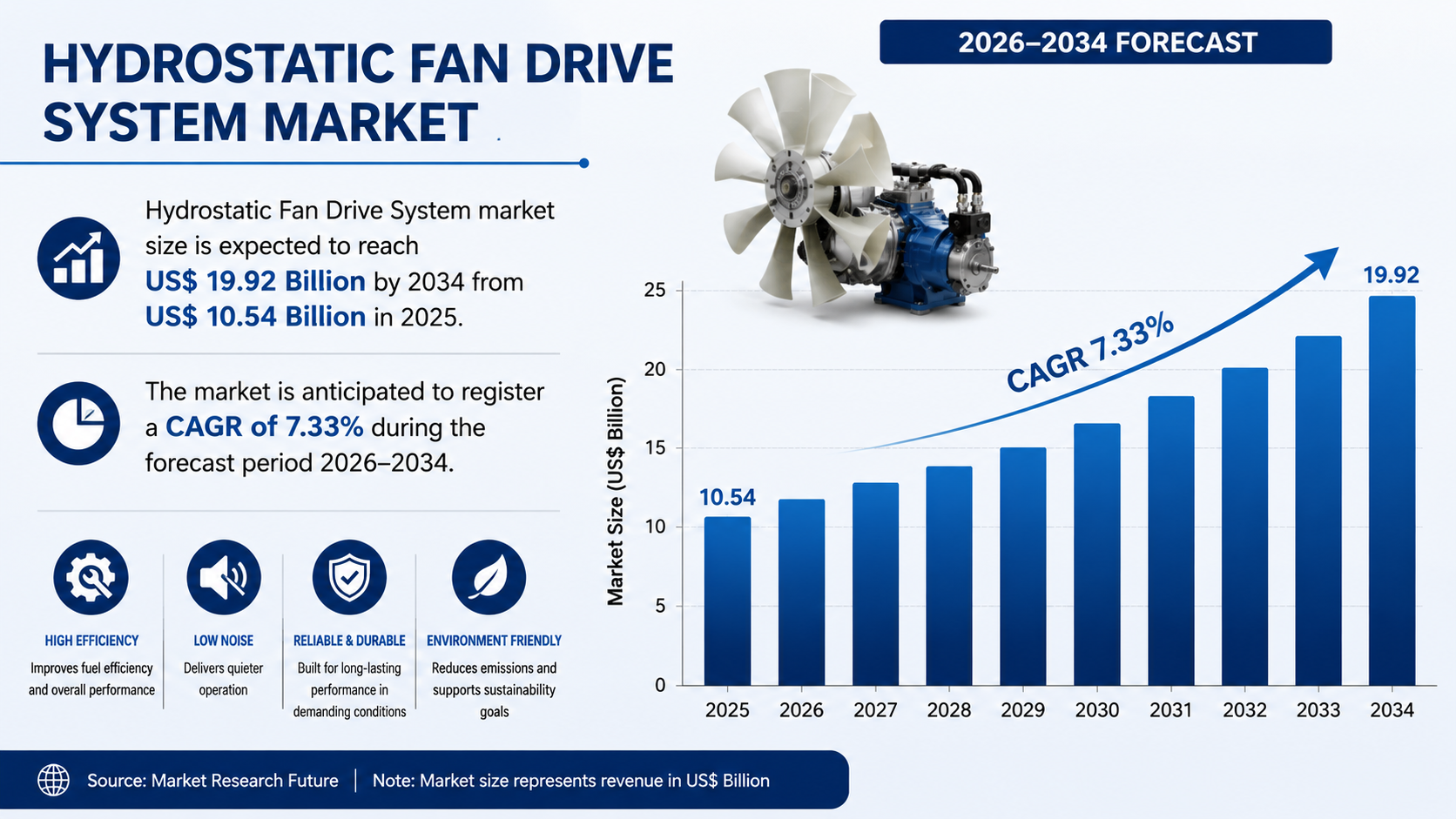
The global industrial landscape is witnessing a significant shift toward more efficient cooling solutions, particularly in heavy duty machinery and commercial vehicles. According to recent market analysis, the Hydrostatic Fan Drive System market size is expected to reach US$ 19.92 Billion by 2034 from US$ 10.54 Billion in 2025. The market is anticipated to register a CAGR of 7.33%...
The online world has changed the way companies engage with customers. Be it small web stores or multinational corporations, businesses are looking for means to satisfy increased demands for convenience, speed, and personalization. Though old-school customer support systems worked in the past, today's consumers expect better. This has led to AI Assistants for Websites, smart solutions meant to...

The increasing awareness of hygiene, sanitation, and environmental impact has significantly influenced the home care industry. Packaging has become a critical element not only for protecting products but also for enhancing usability and sustainability. As consumers demand safer and more eco-conscious solutions, manufacturers are rethinking traditional packaging formats and materials to align...

Introduction: The Return of Familiar Faces in FC 26 Ultimate Team With the launch of FC 26 approaching, several well-known players are expected to return to Ultimate Team. These athletes were absent from FC 25, but recent club transfers suggest their inclusion in the upcoming game. Keep in mind, these names are not officially confirmed yet, but their new affiliations make their return highly...