Broom Making Machine: Revolutionizing the Traditional Cleaning Industry
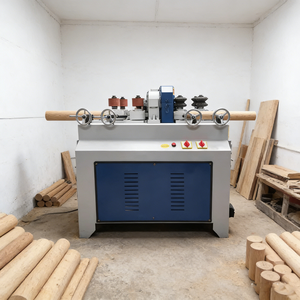
The broom has been an essential cleaning tool for centuries, used in homes, offices, factories, and public places around the world. Traditionally, broom production was a manual process that required significant labor, time, and skill. However, with the rise of industrial automation and modern manufacturing technology, the broom making machine has transformed the broom production industry. These machines increase efficiency, improve product quality, reduce labor costs, and support mass production for growing market demands.
A broom making machine is a specialized industrial device designed to manufacture different types of brooms automatically or semi-automatically. It performs tasks such as cutting, stitching, binding, trimming, and assembling broom materials into finished products. These machines are commonly used in small businesses, medium-sized factories, and large manufacturing units.
Importance of Broom Making Machines
The demand for cleaning products continues to rise because cleanliness and hygiene are becoming more important in homes and commercial spaces. Manual broom production cannot always meet large-scale demand efficiently. Broom making machines solve this problem by increasing production speed and consistency.
One of the major benefits of these machines is time-saving. A worker making brooms manually may produce only a limited number in a day, while a machine can manufacture hundreds or even thousands within the same period. This improved productivity helps businesses meet market demands quickly and increase profits.
Another important advantage is reduced labor dependency. Since many operations are automated, fewer workers are needed for repetitive tasks. This lowers production costs and minimizes human error during manufacturing.
Types of Broom Making Machines
There are different types of broom making machines available depending on the type of broom being produced. Each machine is designed for specific materials and production methods.
1. Grass Broom Making Machine
This machine is used for manufacturing traditional grass brooms made from natural fibers. It helps in stitching and binding broom grass firmly to create durable cleaning products. Grass broom machines are popular in rural and semi-urban industries where natural broom materials are widely available.
2. Coconut Broom Making Machine
Coconut brooms are made from coconut leaf sticks and are commonly used for outdoor cleaning. Coconut broom making machines help bundle and bind sticks efficiently while maintaining proper alignment and strength.
3. Plastic Broom Making Machine
Plastic broom machines produce synthetic brooms using plastic fibers. These machines are more advanced and often include automatic feeding, trimming, and shaping systems. Plastic brooms are widely used because they are durable, lightweight, and resistant to water.
4. Fully Automatic Broom Making Machine
A fully automatic machine performs nearly all production processes without much human involvement. It can feed raw materials, stitch fibers, attach handles, and trim the final broom automatically. These machines are suitable for large-scale manufacturing businesses.
5. Semi-Automatic Broom Making Machine
Semi-automatic machines require some manual handling but still provide faster production than traditional methods. They are affordable and ideal for small businesses or startups entering the broom manufacturing industry.
Working Process of a Broom Making Machine
The operation of a broom making machine varies according to the model and broom type, but the basic manufacturing process remains similar.
The first step involves preparing raw materials such as grass, coconut sticks, or plastic fibers. The materials are cleaned, dried, and cut into suitable lengths. Next, the machine arranges the fibers uniformly to create the broom body.
After arrangement, the machine stitches or binds the fibers tightly together using wire, thread, or plastic clamps. Some machines also insert handles automatically during this stage. Once assembled, the broom goes through trimming and shaping processes to ensure a neat and uniform appearance.
Finally, the finished broom is inspected for quality and packed for sale. Advanced machines may include automatic counting and packaging systems for increased efficiency.
Key Features of Modern Broom Making Machines
Modern broom making machines are equipped with advanced features that improve productivity and performance. Some of the common features include:
-
High-speed production capability
-
Low power consumption
-
User-friendly control panels
-
Durable steel construction
-
Automatic cutting and trimming systems
-
Adjustable broom sizes and shapes
-
Low maintenance requirements
-
High precision and consistency
These features help manufacturers maintain quality standards while reducing operational costs.
Advantages of Using Broom Making Machines
There are numerous benefits associated with broom making machines.
Increased Production
Machines can produce a large number of brooms within a short period. This helps manufacturers fulfill bulk orders efficiently and expand their business operations.
Consistent Quality
Machine-made brooms are more uniform in size, shape, and finishing. This consistency improves customer satisfaction and strengthens brand reputation.
Cost Efficiency
Although the initial investment may be high, the long-term savings on labor and production costs make broom making machines highly profitable.
Reduced Physical Labor
Automation reduces the need for physically demanding manual work. Workers can focus on machine operation and quality control instead of repetitive tasks.
Business Growth Opportunities
Broom manufacturing can become a profitable small-scale or large-scale business with the help of automated machinery. Entrepreneurs can increase production capacity and enter larger markets.
Raw Materials Used in Broom Production
Different types of brooms require different raw materials. Some common materials include:
-
Natural grass fibers
-
Coconut leaf sticks
-
Plastic fibers
-
Bamboo handles
-
Metal wires
-
Nylon threads
-
Wooden handles
The quality of raw materials directly affects the durability and performance of the final product.
Applications of Brooms
Brooms produced by these machines are used in various environments. Household brooms are designed for indoor cleaning, while heavy-duty brooms are suitable for factories, streets, warehouses, and gardens.
Hotels, hospitals, schools, offices, and shopping malls also require large quantities of brooms for maintaining cleanliness. As urbanization increases, the demand for cleaning products continues to grow steadily.
Maintenance of Broom Making Machines
Proper maintenance is essential for ensuring smooth machine performance and long service life. Operators should regularly clean machine components to prevent dust accumulation. Lubricating moving parts reduces wear and tear and improves efficiency.
Electrical connections should be inspected periodically for safety. Damaged blades, wires, or stitching parts must be replaced immediately to avoid production problems. Scheduled servicing can help prevent unexpected machine breakdowns.
Challenges in the Broom Manufacturing Industry
Despite many advantages, broom manufacturers may face certain challenges. Fluctuations in raw material prices can affect production costs. Small manufacturers may also struggle with competition from large industrial producers.
Additionally, some businesses may find fully automatic machines expensive initially. However, government support programs and small business financing options can help entrepreneurs invest in modern machinery.
Another challenge is maintaining product quality while increasing production speed. Skilled operators and proper machine maintenance are important for overcoming this issue.
Future of Broom Making Machines
The future of broom making machines looks promising due to technological advancements and increasing demand for cleaning products. Modern manufacturers are focusing on energy-efficient machines that reduce electricity consumption and environmental impact.
Automation and smart technology are also becoming more common in manufacturing industries. Future broom making machines may include digital monitoring systems, automatic error detection, and AI-based production controls.
Eco-friendly broom production is another growing trend. Manufacturers are exploring sustainable materials and recyclable plastic fibers to meet environmental standards and customer preferences.
Conclusion
Broom making machines have significantly changed the traditional broom manufacturing industry. They provide faster production, better quality, reduced labor costs, and improved business opportunities. From small-scale entrepreneurs to large industrial manufacturers, these machines offer practical solutions for meeting the growing demand for cleaning products.
Nach Verein filtern
Read More
In today’s world, data has become one of the most powerful assets for every industry. From healthcare to finance, retail to education, data-driven decision-making has become essential for growth and innovation. This rapid transformation has created an enormous demand for professionals who can analyze, interpret, and use data effectively. If you want to build a career that offers...

I told that I really, really loved my outfit, gushes, and he let me keep it! Pulling out the black distressed leather she also wore on the runway, she adds: I feel like everyone from knows I took this, but I hope they do this might be a surprise to them. The things that have improved compared to when we started Fashion Trust in is number one the talent and the quality of the garments. practices...

A reliable vehicle storage system is essential for professionals and individuals who need to transport tools, equipment, and valuable supplies safely. Whether used for trade work, business operations, or outdoor adventures, a ute becomes far more functional when equipped with a practical storage solution. Strong, lightweight, and versatile designs help maximize vehicle space while providing...

Soil instability is one of the most common hidden causes of concrete failure in commercial and municipal infrastructure. Over time, erosion, water intrusion, and poor compaction create underground voids that weaken slabs and foundations. Professional soil stabilization addresses this issue at its source. At Red Deer Concrete Lifting, advanced void filling and concrete lifting techniques are...

How to Apply to SP Jain School of Global Management Dubai Step-by-Step Pursuing higher education in Dubai has become increasingly popular among international students seeking globally recognized degrees and strong career opportunities. SP Jain School of Global Management Dubai is one of the leading business schools offering world-class education, industry-focused programs, and...