


How Chronic Care Management Software Improves Patient Engagement and Outcomes
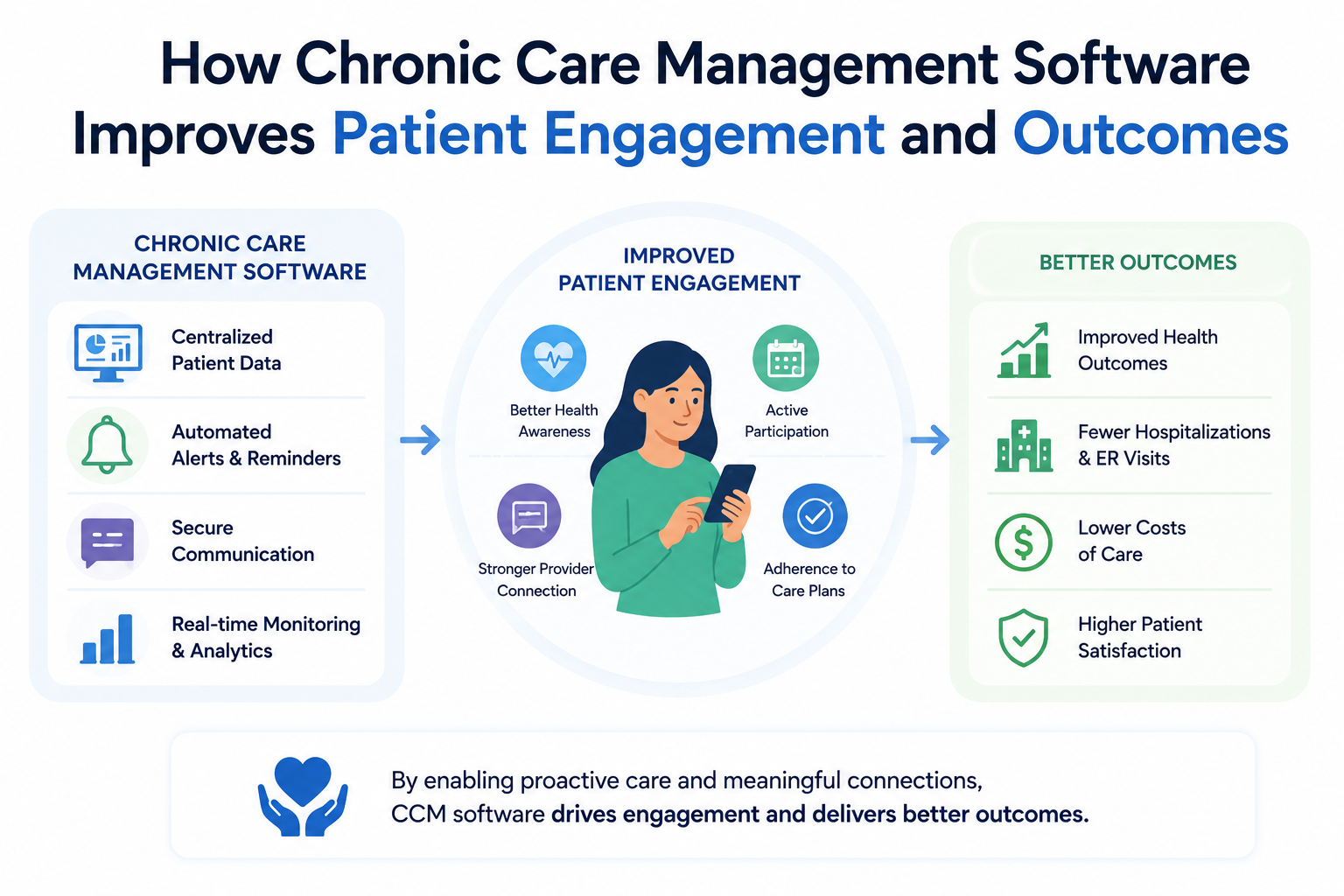
Chronic diseases are on the rise worldwide, affecting millions of people and putting immense pressure on healthcare systems. Managing conditions like diabetes, heart disease, and hypertension requires continuous monitoring, timely intervention, and active patient participation. Enter chronic care management software—a modern solution that is revolutionizing how healthcare providers engage with patients and deliver better health outcomes. In this article, we’ll explore how chronic care management software enhances patient engagement and leads to improved outcomes, making it a must-have tool for today’s healthcare organizations.
Understanding Chronic Care Management Software
Chronic care management software is a digital platform designed to support healthcare providers in organizing and delivering care for patients with chronic illnesses. It enables care teams to track patient data, monitor progress, and coordinate interventions over time. These software solutions also empower patients to take charge of their health by providing access to educational resources, reminders, and direct communication with their care providers.
Key Features of Chronic Care Management Software
The best chronic care management software offers a comprehensive suite of features, including:
-
Patient data tracking and analytics
-
Appointment scheduling and reminders
-
Secure messaging between patients and care teams
-
Medication management and refill alerts
-
Integration with electronic health records (EHR)
-
Personalized care plans and goal setting
-
Reporting tools for regulatory compliance
Let’s dive deeper into how these features directly improve patient engagement and outcomes.
Improving Patient Engagement with Chronic Care Management Software
1. Enhanced Communication
One of the most significant benefits of chronic care management software is improved communication between patients and their healthcare providers. Secure messaging and telehealth capabilities make it easy for patients to ask questions, report symptoms, or request support. This two-way communication fosters trust and keeps patients actively involved in their care.
2. Access to Personalized Care Plans
Chronic care management software allows providers to create individualized care plans based on each patient’s unique needs. Patients can access these plans anytime, review their goals, and track their progress. This transparency encourages patients to stay informed and motivated.
3. Timely Reminders and Alerts
Forgetfulness is a common barrier to effective chronic disease management. With automated reminders for medications, appointments, and check-ups, chronic care management software ensures patients never miss an important step in their treatment, helping them adhere to their care plans.
4. Patient Education and Self-Management
Education is vital for empowering patients to manage chronic conditions. Chronic care management software often includes educational resources, tips, and self-assessment tools. Patients who understand their condition are more likely to make informed decisions and adopt healthier behaviors.
Boosting Health Outcomes with Chronic Care Management Software
1. Early Detection of Health Issues
Continuous monitoring and data analytics enable care teams to identify potential health issues before they become serious. For instance, abnormal blood pressure or glucose readings can trigger alerts, prompting timely intervention and reducing the risk of complications.
2. Improved Care Coordination
Chronic care often involves multiple providers and specialists. Chronic care management software streamlines communication among care teams, ensuring everyone is on the same page. This coordinated approach reduces errors, prevents duplicative testing, and leads to more effective treatment.
3. Increased Medication Adherence
Medication non-adherence is a major factor in poor chronic disease outcomes. With automated medication reminders and refill alerts, chronic care management software helps patients stay on track with their prescriptions, leading to better disease control and fewer hospitalizations.
4. Data-Driven Decision Making
The software collects and analyzes vast amounts of patient data, providing actionable insights to providers. This data-driven approach allows for personalized interventions, optimized care plans, and continuous improvement in patient outcomes.
Real-World Impact: Success Stories
Many healthcare organizations have reported significant improvements after implementing chronic care management software. These include:
-
Reduced hospital admissions and emergency room visits
-
Higher patient satisfaction and engagement scores
-
Improved clinical outcomes, such as better blood sugar and blood pressure control
-
Lower healthcare costs for both providers and patients
Why Healthcare Providers Should Invest in Chronic Care Management Software
Investing in chronic care management software is not just about leveraging technology—it’s about transforming care delivery and fostering lasting relationships with patients. Here’s why it makes sense:
-
Increases provider efficiency and reduces administrative burden
-
Enhances patient satisfaction and loyalty
-
Meets regulatory requirements for chronic care management services
-
Generates new revenue streams through reimbursable CCM programs
Choosing the Right Chronic Care Management Software
With a variety of solutions available, selecting the right chronic care management software is crucial for maximizing benefits. When evaluating software options, consider:
-
Ease of use for both providers and patients
-
Integration capabilities with existing EHR systems
-
Customization options for care plans and workflows
-
Security and HIPAA compliance
-
Robust reporting and analytics features
-
Responsive customer support
The Future of Patient Engagement with Chronic Care Management Software
As technology continues to advance, chronic care management software will become even more integral to healthcare delivery. Artificial intelligence, wearable devices, and remote monitoring tools are being integrated, offering more personalized and proactive care than ever before.
Healthcare providers who adopt these solutions today are positioning themselves as leaders in patient-centered care, driving better engagement and outcomes for their patients with chronic diseases.
Conclusion
Chronic care management software is transforming the way healthcare providers engage with patients and manage chronic conditions. By improving communication, increasing adherence, and enabling data-driven care, it leads to better patient engagement and significantly improved health outcomes. If you’re a healthcare provider looking to deliver superior care, investing in chronic care management software is a smart and necessary move.
For organizations seeking the best in chronic care management, HealthArc offers a robust and user-friendly chronic care management software solution designed to meet the evolving needs of healthcare providers and their patients. Take the first step towards enhanced patient engagement and improved outcomes with HealthArc’s chronic care management software today.
الأقسام
إقرأ المزيد
Green Steel Market Introduction Green steel market represents a transformative approach to steel production that emphasizes reduced carbon emissions, energy efficiency, and sustainability. Traditional steel production relies heavily on fossil fuels, which contribute to high greenhouse gas emissions. Green steel utilizes technologies such as hydrogen-based direct reduction, electric arc...

Hyderabad has rapidly transformed into one of India’s most dynamic metropolitan cities, driven by IT growth, urban expansion, and a fast-paced lifestyle. With increasing demand for convenience services, the Laundry Franchise in Hyderabad has emerged as one of the most promising and scalable business opportunities in 2026. If you are searching for a laundry franchise near me, planning to...

Barriers Within the Specialty Dairy Segment As the specialty dairy segment continues to grow, goat milk is gaining recognition for its unique benefits. However, the market faces several constraints that influence its expansion and competitiveness. These challenges must be addressed to ensure sustainable growth. Analyzing Key Market Restraints This Goat Milk Market Restraints perspective...

Hair colour has always been a powerful way to express personality, style, and confidence. However, as beauty awareness grows, more people are beginning to question what actually goes into traditional chemical dyes—and what those ingredients might be doing to long-term hair health. This shift has led to a major rise in demand for natural hair colour solutions that deliver beautiful...

Dalam era digital yang semakin berkembang, permainan kartu berbasis online menjadi salah satu bentuk hiburan yang banyak diminati. Salah satu platform yang cukup sering dicari adalah Dewapoker, terutama bagi pengguna yang tertarik dengan Dewapoker Online, Poker Dewapoker, Dewapoker QQ, dan Dewapoker Holdem. Platform ini dikenal sebagai layanan yang menyediakan berbagai permainan kartu dalam...