The Plant Sterol Advantage: How Phytosterols Are Becoming the World's Most Trusted Natural Cholesterol-Lowering Solution
The Plant-Powered Heart Health Revolution: How Phytosterols Are Redefining Cholesterol Management
Cholesterol lowering ingredients have moved decisively beyond the pharmacy aisle and into the everyday food products that consumers reach for at the supermarket from fortified margarines and enriched yogurts to functional beverages and heart-healthy breakfast cereals. At the forefront of this transformation are phytosterols: naturally occurring plant-based compounds that structurally resemble cholesterol and compete with it for absorption in the digestive tract, effectively reducing the amount of LDL cholesterol that enters the bloodstream. As cardiovascular disease continues to rank among the leading causes of death globally, and as consumers increasingly seek preventive, plant-based solutions over pharmaceutical interventions, phytosterols have emerged as one of the most scientifically validated and commercially promising functional ingredients of the decade. The Phytosterols Market is expanding rapidly to meet this surging demand and the industry's response is reshaping how the world thinks about heart health through diet.
The Science That Backs the Claim
Phytosterols are not a wellness trend built on anecdote their cardiovascular benefits are backed by robust clinical evidence. Clinical trials have shown that daily consumption of foods containing at least 2 grams of free or esterified plant sterols or stanols lowers serum total and LDL cholesterol by 9–14%. This measurable impact on one of the most critical biomarkers of cardiovascular risk has earned phytosterols endorsement from leading health authorities. In the United States, Cargill's CoroWise brand of plant sterols is supported by an FDA health claim and recommended by the National Heart, Lung, and Blood Institute's National Cholesterol Education Program a level of institutional validation few functional ingredients achieve.
The mechanism is elegantly simple. When foods are enriched with phytosterols, plasma phytosterol levels increase, which helps to lower the risk of cardiovascular issues, and a recent study published in the journal Nutrition, Metabolism and Cardiovascular Diseases confirms that phytosterol-fortified meals successfully lowered blood LDL-C concentrations. Beyond cholesterol reduction, phytosterol has been extensively researched for its various health benefits including anti-diabetic, natural antioxidant, anticancer, anti-inflammatory, antiviral, and antiparasitic properties.
Market Growth Reflects Cardiovascular Health Urgency
Phytosterols market size was valued at USD 1,120.62 million in 2024 and is expected to reach USD 1,213.18 million by 2025 and USD 2,530.18 million by 2034, exhibiting a CAGR of 8.5% during the forecast period. This near-doubling of market value over a decade reflects the convergence of several powerful forces: rising global cardiovascular disease burden, growing consumer health consciousness, regulatory support for phytosterol health claims, and the expanding integration of these compounds into mainstream food and pharmaceutical products.
The phytosterols market is expanding as more consumers seek healthier lifestyles and prefer plant-based compounds over synthetic alternatives, with phytosterols beneficial in managing blood cholesterol levels, which helps reduce the risk of cardiovascular diseases, and the fortification of foods with phytosterols becoming more widespread.
𝐄𝐱𝐩𝐥𝐨𝐫𝐞 𝐓𝐡𝐞 𝐂𝐨𝐦𝐩𝐥𝐞𝐭𝐞 𝐂𝐨𝐦𝐩𝐫𝐞𝐡𝐞𝐧𝐬𝐢𝐯𝐞 𝐑𝐞𝐩𝐨𝐫𝐭 𝐇𝐞𝐫𝐞:
https://www.polarismarketresearch.com/industry-analysis/phytosterols-market
From Functional Foods to Pharmaceuticals: A Versatile Ingredient
Phytosterols' commercial versatility is one of the most compelling aspects of the industry's growth story. The pharmaceutical segment accounted for the largest market share in 2024 due to the many benefits of phytosterols, which are found in pills, lotions, and herbal medicine, with the market for phytosterols in medicinal formulations growing due to increasing cases of high cholesterol among the elderly as well as the prevalence of lifestyle disorders.
Meanwhile, the food and beverage segment is accelerating rapidly alongside pharmaceuticals. Phytosterols are known for their ability to reduce cholesterol and are frequently included as an ingredient in functional foods, found in a variety of food items including dairy products, baked goods, and spreads, with increasing demand expected as people become more health-conscious and seek ways to improve their diets.
Innovation in product formats is broadening consumer access further. In September 2023, Nutrartis launched Cardiosmile, a liquid sachet supplement that uses water-dispersible phytosterols to control cholesterol and heart health. This kind of delivery innovation making phytosterols convenient, portable, and easy to incorporate into daily routines is a critical driver of mainstream adoption beyond the specialty health food channel.
Regional Dynamics: Europe Leads, North America Accelerates
In 2024, Europe accounted for the largest market share, with growth largely attributed to consumers' increasing awareness of the health benefits of functional food products and their ability to afford upscale personal care goods due to their high disposable incomes, and the rising demand for natural and sustainable extract-based cosmetics driving the addition of phytosterols to these products.
North America, however, is positioned as the fastest-growing region. The North America region is expected to witness the fastest CAGR during the projected period due to the region's large population and the concerning rate of increase in cardiac illnesses, with the US Food and Drug Administration granting Generally Recognized as Safe (GRAS) certification for adding plant sterols to food items.
Bold Industry Commitments Shaping the Future
The competitive landscape is being shaped by strategic acquisitions and sustainability-driven investments. In May 2024, Kensing acquired Vitae Naturals and Advanced Organic Materials (AOM) to produce plant-based phytosterols and vitamin E made from non-GMO, deforestation-free sources such as sustainable soy, sunflower, and rapeseed. Simultaneously, the agricultural applications of phytosterols are opening remarkable new frontiers. In August 2024, Elicit Plant gained global traction with its EliTerra technology, which uses phytosterols to boost crop stress resistance and cut water use by up to 20%.
As the Phytosterols Market races toward its USD 2.5 billion milestone, the story it tells is ultimately about a world choosing prevention over cure embracing the power of plants to safeguard cardiovascular health in ways that are natural, evidence-backed, and woven seamlessly into the foods and supplements of everyday life.
More Trending Latest Reports By Polaris Market Research:
Biomaterial Wound Dressing Market
Cryptocurrency Payment Solutions Market
Network Engineering Services Market
Liquid Biopsy For Early Cancer Detection And Monitoring Market
Categorías
Read More
The global Automated Nucleic Acid Extraction Market Size is valued at USD 4.31 billion in 2025 and is projected to reach USD 9.24 billion by 2033, growing at a CAGR of 10.03% during the forecast period from 2026 to 2033. The market is witnessing strong growth driven by increasing demand for rapid and accurate molecular diagnostics, along with advancements in genomics and...

Slot Gacor Gampang Menang acquire has become one of the most looked topics while in the online slot gaming world. Participants are usually seeking video game titles that provide better successful likely and a lot more recurrent payouts. Whilst good luck represents a task, learning slot machines operate and also utilizing the right method can easily considerably help your chances....

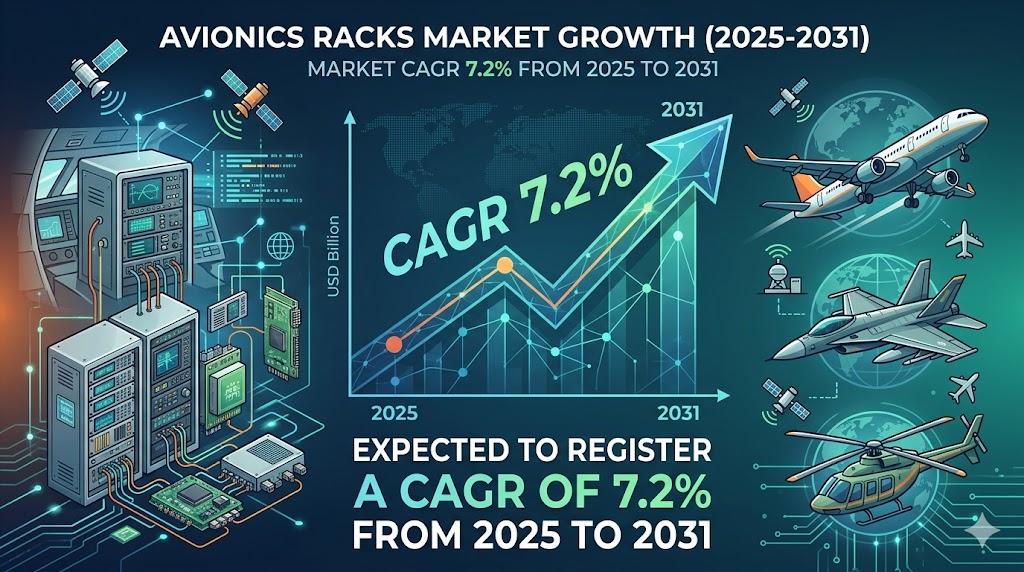
The aviation industry is witnessing a significant transformation as aircraft manufacturers and operators focus on modernizing their fleets with advanced electronic systems. At the heart of this technological evolution is the avionics rack, a critical component designed to house and protect the sophisticated electronic hardware necessary for flight control, navigation, and...
Playing has been a component of human being traditions for thousands of years, changing out of easy online games connected with prospect directly into a universal market Ggplay88 worth billions. From on-line casinos in addition to lotteries to be able to on the web gambling types in addition to cell apps, wagering is constantly attract folks in search of enthusiasm, leisure, in addition to the...
Netflix Unveils 'Castlevania' Series: A New Chapter in Vampire Entertainment Netflix has announced an exciting addition to its original programming lineup with the upcoming release of 'Castlevania,' an animated series based on the popular video game franchise. Set to premiere later in 2017, the show will follow the journey of the disgraced Belmont family's last descendant as he battles Dracula...