


Mountain Biking Team Building in Colorado
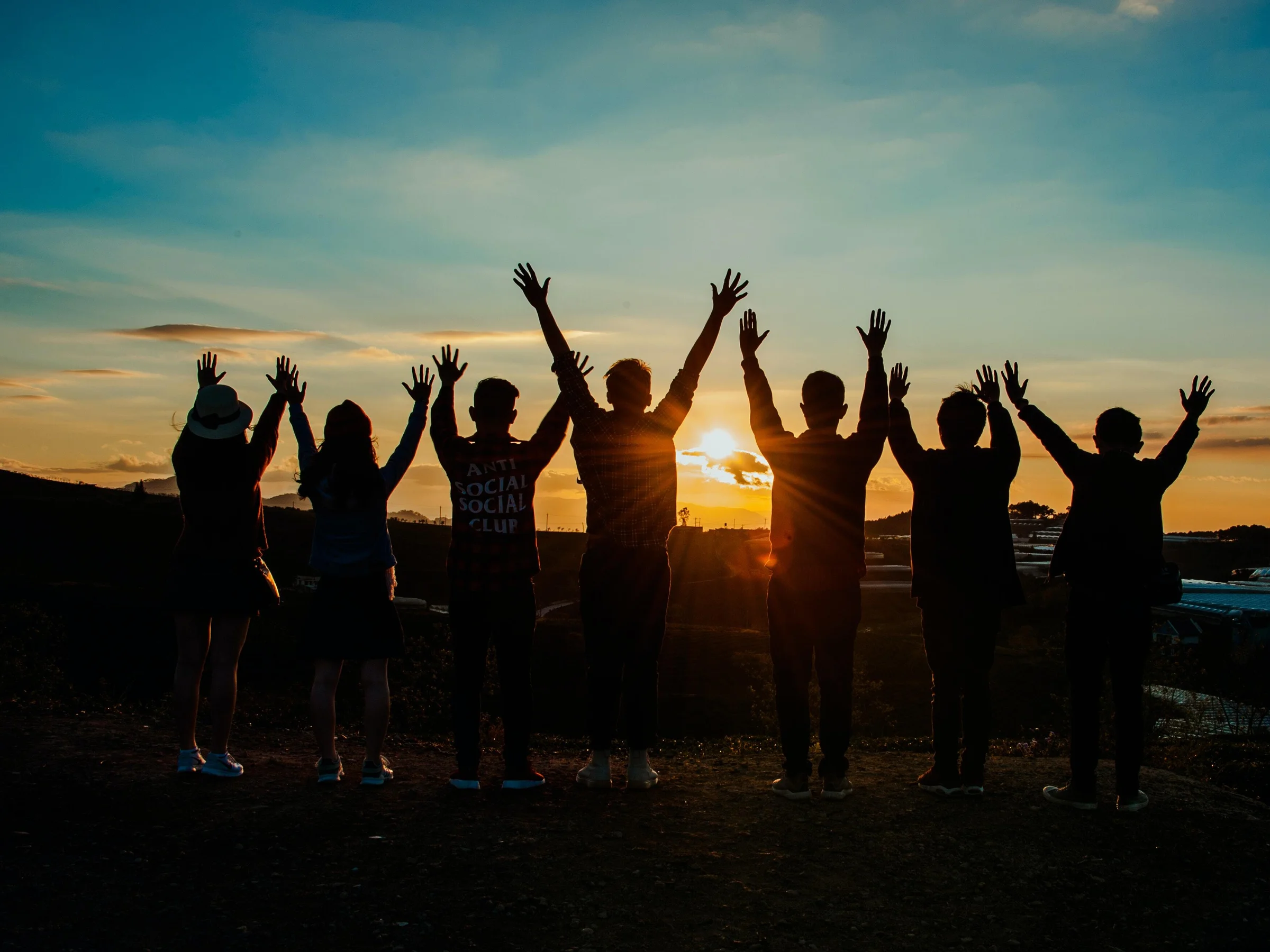
Corporate teams are moving away from predictable offsites built around conference rooms, catered lunches, and generic icebreakers. More companies now want outdoor experiences that feel active, memorable, and genuinely useful for team connection. Colorado is one of the strongest destinations for that shift because it offers mountain scenery, accessible trail systems, professional guides, and retreat-friendly towns that make planning easier.
Mountain biking team building gives companies a high-energy way to bring people together without relying on forced team games. It combines movement, challenge, trust, and shared achievement in a setting that feels fresh and exciting. For companies planning a corporate team building retreat, mountain biking can become the kind of activity people talk about long after the trip ends.
The best part is that mountain biking does not have to be extreme. With the right location, guide support, trail choice, and equipment, it can work for beginners, mixed-skill groups, leadership teams, and more adventurous employees. Colorado has trail systems designed for progression, which means teams can start easy, build confidence, and enjoy the ride without feeling pushed beyond their comfort level.
Why Mountain Biking Works for Corporate Teams
Mountain biking creates a different kind of team environment. Instead of sitting across from each other in a meeting room, employees move through a shared challenge together. They learn quickly, encourage one another, and experience small wins throughout the ride.
This makes mountain biking useful for adventure corporate team building because it naturally builds communication and trust. Riders need to listen to instructions, respect spacing, follow trail etiquette, and adapt to changing terrain. These are simple actions, but they mirror many workplace skills: awareness, patience, confidence, and decision-making under pressure.
It also gives teams a healthy break from screen-heavy work. Many corporate retreat trends 2026 point toward outdoor wellness, active recovery, and experience-led offsites. Mountain biking fits that direction well because it supports energy, focus, and shared momentum. People are not just attending another company event. They are doing something physical, scenic, and memorable together.
For leadership teams, mountain biking can also act as a strong metaphor. Riders must look ahead, choose lines, control speed, recover from mistakes, and adjust quickly. Those lessons translate naturally into business conversations around planning, resilience, and adaptability.
Beginner-Friendly Trail Systems in Colorado
The success of a biking retreat depends heavily on choosing the right trail system. A beginner-friendly location gives people space to learn without fear. It also allows guides to separate riders by confidence level, making the experience smoother for everyone.
Valmont Bike Park in Boulder
Valmont Bike Park is one of the most practical options for corporate team building Denver groups because it is close to the city and designed for different ability levels. The park has beginner areas, skills zones, pump tracks, and progression-based features that allow new riders to learn in a controlled environment.
For companies with mixed groups, Valmont works well because the layout allows people to start small. Beginners can practice braking, balance, turning, and basic trail handling before moving onto slightly more challenging sections. More confident riders can explore advanced areas while beginners stay comfortable.
It is also a strong choice for half-day programming. A company can run a morning workshop in Denver or Boulder, head to Valmont for a guided bike session, then return for lunch, reflection, or a team discussion. This makes it a useful option for companies that want outdoor adventure team building without committing to a full mountain-town retreat.
Frisco Peninsula Recreation Area
Frisco is a great choice for groups that want a mountain experience without making the activity too intimidating. The Frisco Peninsula Recreation Area offers scenic trails, lake views, and access to beginner and intermediate routes. The town itself is retreat-friendly, with lodging, restaurants, meeting spaces, and easy access from Denver.
For corporate retreats Colorado programs, Frisco offers a strong balance of convenience and scenery. Teams can enjoy a true mountain setting while keeping logistics manageable. This matters when planners need to move groups between lodging, trails, meals, and meeting sessions.
Frisco is also useful for multi-activity retreats. Mountain biking can be paired with paddleboarding, hiking, lakefront gatherings, or evening dinners. This flexibility makes it easier to build a complete corporate team building retreat rather than a single activity day.
Crested Butte
Crested Butte is one of Colorado’s iconic mountain biking destinations. It offers beautiful scenery, a strong bike culture, and access to trails for different levels. While some routes are more advanced, guided beginner-friendly options can be arranged for corporate groups.
Crested Butte works best for companies that want the retreat to feel immersive and destination-focused. It is less about quick access and more about creating a true mountain escape. For executive teams, incentive groups, or employees who enjoy adventure, it can be a standout location.
Because the area has a serious biking reputation, planning should be thoughtful. Beginner groups need appropriate trail selection, strong guide support, and clear expectations. When designed properly, Crested Butte can deliver one of the most memorable corporate adventure retreats in Colorado.
E-Bike Options to Level the Field
One of the biggest challenges with mountain biking is the difference in fitness levels. Some employees may ride regularly, while others may not have been on a bike in years. This is where e-bikes can help.
E-bikes make riding more inclusive by reducing the strain of climbs and helping less experienced riders keep pace with the group. They do not remove the need for basic bike handling, but they make the experience less physically demanding. For corporate groups, that can be the difference between an enjoyable ride and an exhausting one.
E-bike options are especially useful for:
- Mixed fitness groups
- Executive teams
- Longer scenic rides
- High-altitude destinations
- Multi-day retreats
- Groups with limited riding experience
E-bikes also help keep the group more connected. Stronger riders do not have to wait as often, and newer riders feel less pressure. That creates a better overall group dynamic.
However, e-bikes still require safety planning. Riders need instruction on power modes, braking, cornering, and trail etiquette. Some trail systems may restrict e-bike access, so planners should confirm local rules before booking. A professional guide or outfitter can help choose legal and suitable routes.
Used correctly, e-bikes are one of the most practical team retreat innovations for mountain biking programs. They make the experience more accessible while still preserving the sense of adventure.
How to Structure a Multi-Day Bike Retreat
A mountain biking retreat works best when it is built into a thoughtful agenda. The ride should support the retreat goals, not simply fill time between meetings. A strong structure balances activity, recovery, strategy, and connection.
For a two-day retreat, the first day can focus on arrival, introductions, and goal setting. The second day can include the main biking experience, followed by reflection and team discussion. For a three-day retreat, teams can add a second ride, wellness session, leadership workshop, or group dinner.
A sample three-day structure could look like this:
Day 1: Arrival and retreat kickoff
The team arrives in the afternoon, checks into lodging, and joins a welcome dinner. Leaders introduce the retreat goals and set the tone for the experience. This evening should stay relaxed so people can settle in and connect naturally.
Day 2: Skills session and guided ride
The morning begins with breakfast, safety briefing, bike fitting, and basic skills instruction. Riders then split into groups based on comfort level. After the ride, the team returns for lunch, recovery time, and a facilitated session connecting the biking experience to workplace themes such as trust, adaptability, and momentum.
Day 3: Optional ride and planning session
The final morning can include a shorter scenic ride, walk, or wellness activity. After that, the team gathers for a practical planning session focused on next steps. This helps connect the emotional value of the retreat to real business outcomes.
This kind of structure supports both experience and purpose. It avoids the common mistake of treating adventure as entertainment only. For the future of company offsites, the strongest retreats will be the ones that connect outdoor activities to leadership, team culture, and clear action.
Risk Management for Corporate Bike Events
Mountain biking is exciting, but it comes with real risk. That does not mean companies should avoid it. It means they need to plan it properly. Safety must be part of the experience from the beginning.
The first step is choosing the right outfitter or guide. Corporate groups should work with professionals who understand group management, beginner instruction, equipment fitting, emergency planning, and local trail conditions. A strong guide can make the difference between a smooth event and a stressful one.
The second step is matching the trail to the group. A route that feels easy for an experienced rider may feel overwhelming for a beginner. Planners should never choose trails based only on scenery or reputation. The route should match the least experienced riders in the group.
Important risk management steps include:
- Pre-event fitness and comfort survey
- Proper bike fitting and helmet use
- Clear safety briefing
- Beginner skills instruction
- Group separation by ability level
- First-aid support
- Hydration and snack planning
- Weather monitoring
- Emergency transportation plan
- Clear cancellation or adjustment policy
Weather can change quickly in Colorado, especially in mountain areas. Afternoon storms, heat, cold, trail closures, and altitude can all affect the ride. A backup plan should always be ready. This may include a shorter route, indoor workshop, lodge-based session, or alternative group activities Denver option if the event is near the Front Range.
Risk management should not make the experience feel tense. When handled well, it gives people confidence. Guests can relax because they know the details have been considered.
Who Should Choose Mountain Biking for a Retreat?
Mountain biking is a strong choice for teams that want energy, outdoor connection, and a sense of achievement. It works especially well for sales teams, leadership groups, startup teams, active company cultures, and organizations that want a more adventurous retreat format.
It may not be ideal for every group. If many attendees have mobility concerns, serious discomfort with biking, or no interest in physical activity, planners may need a softer outdoor option. However, with e-bikes, beginner trails, and optional participation, mountain biking can still be adapted for many teams.
The key is honesty during planning. Do not sell the event as easy if it includes technical terrain. Do not choose an advanced trail because it looks impressive. A successful retreat is not about proving toughness. It is about creating a shared experience that supports connection, confidence, and trust.
How Mountain Biking Supports Team Culture
A good mountain biking experience gives teams a shared story. People remember who encouraged them, who helped them through a tricky section, and who celebrated small wins along the way. Those moments matter because they create emotional connection outside normal work roles.
The activity also helps teams practice support without forcing it. Someone may wait at a trail junction, share a tip, or cheer when a colleague completes a section. These small interactions build trust in a natural way.
For companies planning outdoor adventure team building, this is the real value. The trail becomes a setting where employees can experience collaboration instead of just talking about it. That makes the lessons easier to remember and easier to bring back into the workplace.
Conclusion
Mountain biking gives corporate groups an active, scenic, and memorable way to build connection in Colorado. With beginner-friendly trail systems like Valmont, Frisco, and guided options in Crested Butte, companies can design experiences that match different skill levels and retreat goals.
The strongest programs use smart planning, e-bike options, professional guides, and clear risk management. When structured well, mountain biking team building becomes more than an outdoor activity. It becomes a meaningful part of a corporate team building retreat, helping teams build trust, confidence, and momentum in a setting that feels far removed from ordinary work.
Categorie
Leggi tutto
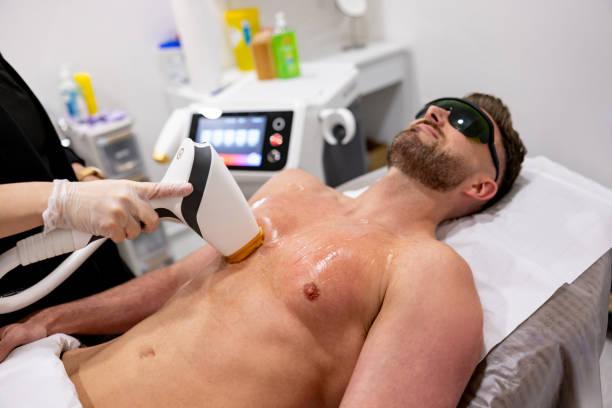
Unwanted body or facial hair can be difficult to manage with traditional hair removal methods. Shaving, waxing, and creams require constant maintenance and often cause irritation or ingrown hairs. Laser Hair Removal in Islamabad is a modern, medically approved solution that targets hair follicles directly, offering long-term reduction and smoother skin for both men and women. Understanding the...
India, Pune - The global in-flight entertainment (IFE) market is witnessing remarkable growth driven by evolving passenger expectations, technological advancements, and increasing air travel worldwide. Airlines are investing heavily in sophisticated IFE systems to enhance passenger satisfaction, improve brand loyalty, and differentiate their offerings amid stiff competition. As...

In the field of reliable packaging solutions, the Sterilization Self Sealing Pouch presented through Hopeway AMD represents a thoughtful response to evolving needs. It reflects a design that balances practicality, protection, and ease of use, showing how a simple pouch can influence both routine handling and professional workflows. Packaging designed for sterilization holds a unique place...

The global green cardamom market size was valued at USD 899.2 million in 2024 and is expected to reach USD 1,422.41 million by 2032, at a CAGR of 5.9% during the forecast period. The global business landscape is undergoing a transformation, with industries increasingly leaning on deep research and actionable insights to make strategic decisions. One segment seeing...
Executive Summary Egg Tray Market: Growth Trends and Share Breakdown CAGR Value Data Bridge Market Research analyses that the egg tray market was valued at USD 4140.00 million in 2021 and is expected to reach USD 6353.60 million by 2029, registering a CAGR of 5.50% during the forecast period of 2022 to 2029. While preparing this professional and exhaustive Egg Tray Market research...