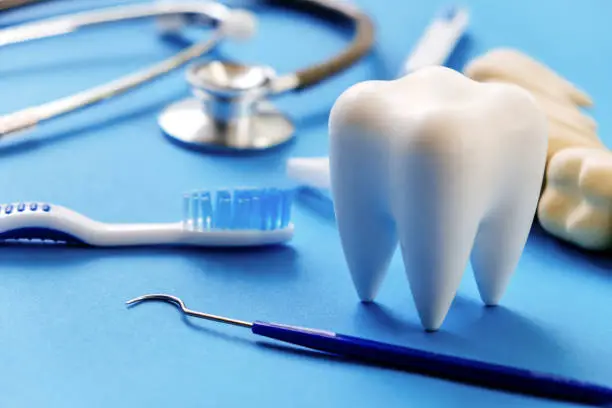
Oral health is an important part of overall wellness and affects much more than just your smile. Healthy teeth and gums support daily activities such as eating, speaking, and social interaction while also contributing to confidence and comfort. Good oral hygiene can help prevent cavities, gum irritation, bad breath, and other dental concerns that may affect quality of life.
In today’s fast-paced lifestyle, many people experience oral health problems because of poor diet, sugary foods, stress, smoking, and inconsistent dental care. Taking care of your mouth every day is essential for maintaining strong teeth and healthy gums over the long term.
Building proper oral care habits early can improve both dental wellness and overall physical health.
Why Oral Health Is Important
The mouth is one of the main entry points into the body, making oral hygiene closely connected to overall wellness. Harmful bacteria can build up when teeth and gums are not cleaned properly, increasing the risk of cavities and gum disease.
Healthy oral care supports:
- Strong teeth
- Healthy gums
- Fresh breath
- Comfortable chewing and speaking
- Better confidence
- Overall wellness
Poor oral hygiene may lead to plaque buildup, tooth decay, gum inflammation, and sensitivity. These issues can become more serious if left untreated.
Maintaining oral health not only improves appearance but also helps support daily comfort and long-term well-being.
Common Oral Health Problems
Many people experience dental issues at some point in life. Some of the most common oral concerns include:
Cavities
Tooth decay develops when bacteria and sugar combine to damage tooth enamel.
Gum Problems
Swollen or bleeding gums may occur due to plaque buildup and poor oral hygiene.
Bad Breath
Persistent bad breath is often linked to bacteria accumulation in the mouth.
Tooth Sensitivity
Some individuals feel pain or discomfort when consuming hot, cold, or sweet foods.
Plaque and Tartar
Without proper brushing and flossing, plaque can harden into tartar and increase the risk of gum irritation.
Recognizing these issues early may help prevent more serious dental problems later.
Causes of Poor Oral Health
Several daily habits can negatively affect oral wellness.
Inadequate Brushing and Flossing
Skipping regular cleaning allows bacteria and plaque to remain on the teeth and gums.
High Sugar Intake
Sugary foods and beverages feed harmful bacteria that contribute to tooth decay.
Smoking
Smoking may stain teeth, weaken gums, and increase the risk of oral health concerns.
Dry Mouth
Reduced saliva production can make it easier for bacteria to grow inside the mouth.
Poor Nutrition
Lack of important vitamins and minerals may weaken teeth and gums over time.
Understanding these causes can help individuals make healthier choices for better oral care.
Daily Habits for Healthy Teeth and Gums
Consistent oral care is one of the best ways to maintain long-term dental wellness.
Brush Twice a Day
Brushing helps remove plaque and food particles from the teeth and gums.
Floss Daily
Flossing cleans between teeth where toothbrushes may not reach effectively.
Drink Plenty of Water
Water helps rinse away food particles and supports saliva production.
Use Mouthwash
An antibacterial mouthwash may help support fresher breath and cleaner gums.
Replace Toothbrushes Regularly
Using a fresh toothbrush ensures more effective cleaning.
Small daily habits can make a major difference in oral health over time.
The Role of Nutrition in Oral Health
A balanced diet supports stronger teeth and healthier gums.
Calcium-Rich Foods
Milk, cheese, and yogurt help strengthen tooth enamel.
Fruits and Vegetables
Crunchy fruits and vegetables may help clean teeth naturally while providing important nutrients.
Vitamin C
Vitamin C supports healthy gums and may help reduce inflammation.
Water
Staying hydrated helps maintain moisture in the mouth and supports saliva production.
Limiting sugary snacks and acidic beverages can also help protect teeth from damage.
Importance of Regular Dental Visits
Routine dental check-ups are essential for maintaining oral wellness. Dentists can identify early signs of cavities, gum disease, and other dental concerns before they become more serious.
Regular dental care may include:
- Professional cleanings
- Plaque and tartar removal
- Gum evaluations
- Oral examinations
- Preventive recommendations
Early treatment often helps reduce discomfort and prevent more complex procedures in the future.
Oral Health and Overall Wellness
Oral health is connected to many areas of physical health. Healthy teeth and gums support proper chewing, digestion, and comfort.
Poor oral hygiene may increase inflammation and allow harmful bacteria to spread within the mouth. Maintaining good dental habits therefore supports both oral and overall wellness.
Keeping the mouth healthy can improve confidence, communication, and daily quality of life.
Supporting Oral Health Naturally
Good oral wellness begins with daily hygiene, healthy eating, and regular dental care. Some individuals also include wellness products like ProDentim as part of their oral health routines to support fresh breath and gum care naturally.
Natural support methods work best when combined with proper brushing, flossing, hydration, and healthy lifestyle choices.
Maintaining consistency is one of the most important factors in long-term dental wellness.
Understanding Oral Bacteria Balance
The mouth naturally contains both helpful and harmful bacteria. Maintaining balance within the oral environment is important for healthy gums and fresh breath.
Poor hygiene and excessive sugar consumption may increase harmful bacteria growth. A balanced oral environment may support cleaner teeth and healthier gums.
Some people include ProDentim in their wellness routines while focusing on maintaining oral hygiene and supporting overall dental balance.
Lifestyle Habits That Affect Oral Wellness
Several lifestyle choices can influence oral health over time.
Avoid Tobacco Products
Smoking and tobacco use can negatively affect gums and tooth appearance.
Reduce Stress
Stress may contribute to teeth grinding and jaw tension.
Get Enough Sleep
Proper sleep supports overall wellness, including oral health.
Maintain Consistent Oral Care
Daily brushing and flossing remain essential for preventing plaque buildup.
Healthy lifestyle habits can provide long-term benefits for dental wellness and overall comfort.
Long-Term Benefits of Good Oral Care
Maintaining strong oral health offers several benefits:
- Fresher breath
- Stronger teeth
- Healthier gums
- Reduced risk of cavities
- Better confidence and appearance
- Improved comfort during eating and speaking
These benefits contribute to better quality of life and overall wellness.
Some individuals choose to include ProDentim in their oral care routines while maintaining consistent hygiene habits and healthy nutrition.
Final Thoughts
Oral health is an important part of maintaining a healthy body and confident smile. Strong teeth and healthy gums support daily comfort, communication, and overall well-being.
Simple habits such as brushing twice daily, flossing, drinking enough water, eating nutritious foods, and visiting the dentist regularly can significantly improve oral wellness over time.
Reducing sugar intake, avoiding smoking, and maintaining healthy routines may further help protect teeth and gums from future problems.
In addition to healthy habits, some individuals include supportive wellness products like ProDentim as part of their overall oral care strategy.
By making oral health a priority every day, you can support stronger teeth, healthier gums, fresher breath, and long-term confidence.