Reducing Operational Risk Through Smarter EHS Strategies
Reducing Operational Risk Through Smarter EHS Strategies
For many organizations, workplace safety is still treated mainly as a compliance obligation rather than a business priority. Companies often focus on meeting minimum regulatory expectations, assuming that following required procedures is enough to maintain safe operations. While this mindset may appear acceptable at first, it frequently allows deeper operational problems to grow unnoticed over time. Regulatory penalties may be the most visible consequence, but they represent only a small portion of the overall damage. The real impact is often seen in disrupted workflows, wasted labor hours, repeated corrections, rising insurance costs, and a gradual decline in organizational credibility. In high-risk or operationally demanding industries, these issues can escalate quickly and begin affecting productivity, stability, and long-term financial performance. Avoiding these outcomes requires more than documented policies alone. It demands active leadership participation, a preventative safety culture, and digital EHS solutions designed to identify risks before they evolve into serious incidents.
A safety violation occurs whenever established safeguards, procedures, or control measures are ignored, bypassed, or performed incorrectly. These breakdowns may involve authorizing permits without proper checks, overlooking lockout-tagout requirements, conducting inadequate hazard evaluations, relying on expired certifications, blocking emergency exits, or failing to use protective equipment correctly. Regardless of whether these actions happen intentionally or by accident, they reveal a disconnect between written safety expectations and actual workplace behavior. It is within this disconnect that incidents begin to develop, liabilities increase, and avoidable financial losses steadily accumulate.
The financial consequences of poor safety management generally fall into two categories, both driven by the same underlying weaknesses. Direct costs are usually the easiest to identify because they appear immediately and can be measured clearly. These expenses may include regulatory penalties, medical care, equipment repairs, and emergency response activities. Indirect costs, however, often create a much greater burden despite being less obvious. Operational delays, interrupted schedules, inefficient resource allocation, shipping disruptions, missed deadlines, lengthy investigations, legal complications, and reduced customer confidence can significantly increase business costs over time. Even smaller incidents may consume valuable organizational resources by diverting experienced employees away from their regular responsibilities and involving them in reporting, investigations, and corrective action processes.
In today’s competitive environment, safety performance plays a more important role than ever before. Businesses are expected to maintain high efficiency with limited operational flexibility, supply chains cannot easily tolerate disruptions, and customers expect consistent delivery performance. A single serious near miss can halt operations and require immediate attention from senior leadership, while repeated disruptions may place future contracts and business continuity at risk. Insurance providers are also paying closer attention to how companies manage and document workplace risks, often increasing premiums when safety systems lack transparency or consistency. At the same time, growing ESG expectations have positioned workplace safety as a key indicator of organizational reliability for clients, investors, and stakeholders.
Safety-related failures rarely remain limited to one task or department. Their impact often spreads across connected operations and creates broader business challenges. Downtime in a single area can affect the entire operational chain, while temporary shortcuts may lead to quality problems, expensive rework, and future liability or warranty concerns. Poor risk management can also weaken employee trust and morale, contributing to increased turnover, higher recruitment costs, and additional training expenses. Over time, a damaged safety reputation may reduce business opportunities by making it more difficult to attract new clients, renew existing agreements, or establish long-term partnerships.
To address these challenges, many organizations are moving away from reactive safety practices and adopting more predictive management strategies. Similar to approaches used in reliability engineering, they prioritize identifying warning signs early, controlling hazards before escalation occurs, and continuously improving preventative safeguards. This shift is typically supported by three essential elements: clearly defined accountability at every organizational level, processes that naturally reinforce safe behavior, and digital technologies capable of delivering real-time insight into operational risks and performance trends.
Modern EHS platforms are central to supporting this transition. By combining policies, workflows, and documentation within a unified system, these platforms help reduce compliance gaps and improve operational responsiveness. Structured workflows ensure that permits and lockout-tagout activities are completed accurately and consistently. Standardized risk assessments provide more reliable hazard information, while simplified reporting tools encourage faster recording of incidents and near misses, often supported by photographs or other visual documentation. Task management features help assign ownership, track progress, and verify that corrective measures are completed on time. Advanced analytics allow organizations to detect recurring patterns and focus attention on areas requiring improvement, while audit-ready documentation reduces administrative workload and regulatory exposure.
Enhancing workplace safety does not always require large-scale operational changes. In many situations, significant improvements can result from focused and practical actions. Strengthening controls around high-risk activities helps prevent critical safeguards from being overlooked. Tracking a limited number of leading indicators across different sites can provide early warning signs of emerging risks. Every near miss should lead to a timely root cause analysis followed by clearly defined corrective actions. Regular communication of concise risk updates also helps ensure leadership teams and operational personnel remain aligned on evolving priorities and potential concerns.
Ultimately, workplace incidents are often indicators of deeper organizational shortcomings rather than isolated problems. Closing the gap between documented standards and day-to-day execution requires engaged employees, well-defined accountability, and digital systems that embed compliance into routine operations. Organizations that successfully achieve this balance not only reduce operational exposure but also build stronger resilience, improve reliability, and support healthier long-term financial performance.
Schedule a free demo @
https://toolkitx.com/blogsdetails.aspx?title=The-real-cost-of-safety-violations-in-2025:-fines,-downtime,-and-the-$1b/week-problem
Nach Verein filtern
Read More
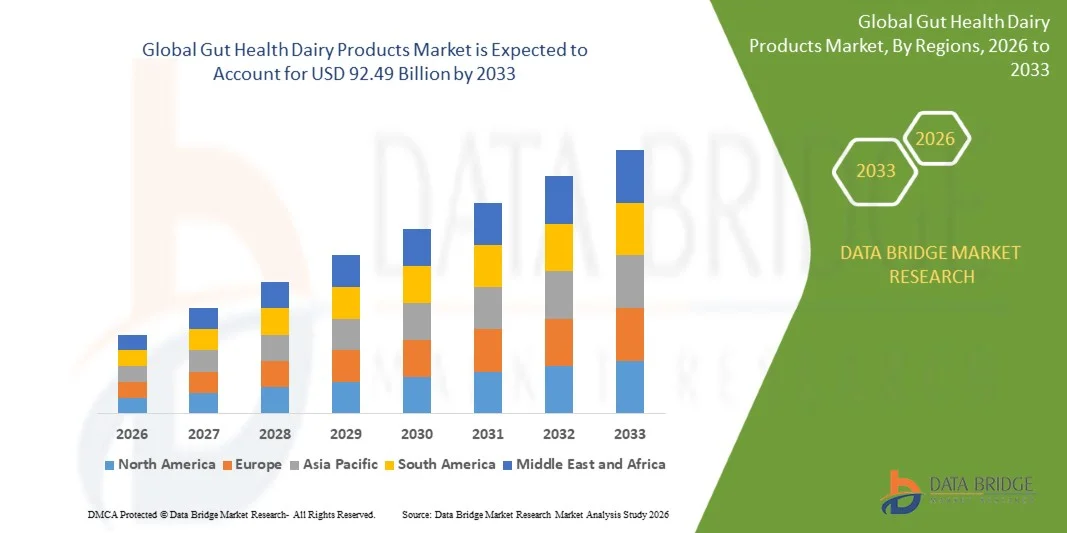
Gut Health Dairy Products Market According to the latest report published by Data Bridge Market Research, the Gut Health Dairy Products Market The global gut health dairy products market size was valued at USD 47.49 billion in 2025and is expected to reach USD 92.49 billion by 2033, at a CAGR of 8.69% during the forecast period The market research studies of Gut...
Healthy, youthful-looking skin is a goal shared by many people, but factors such as aging, environmental stress, sun exposure, and lifestyle habits can gradually affect the skin's appearance. Over time, wrinkles, fine lines, sagging skin, dryness, and uneven texture may become more noticeable, leading many individuals to seek skincare solutions that support long-term skin health. ReFirmance is...

The flexibility of modern distribution services is another reason for their popularity. Businesses can Affordable Press Release Distribution Services use press releases to announce product launches, company milestones, partnerships, awards, leadership appointments, events, community initiatives, and industry insights. Affordable press release distribution services support a wide variety...

It the bye 7 days for the Seattle Seahawks, this means a at ease weekend of soccer with no the tension of njoying?a Seahawks match for Seattle so, even despite the fact that the employees is not upon the sector, the entrance business office employees continues to be tough at exertion https://www.seattlefanswear.com/collections/sebastian-janikowski-jersey, specifically with the exchange deadline...

India has established strict product quality standards to ensure consumer safety and maintain product reliability. One of the important certification systems for international manufacturers is the BIS FMCS Certification. Foreign companies that want to sell their products in India must comply with Indian standards through this certification process. The certification is issued by the...