


From Powder to Part: A Deep Dive Into Metal Additive Manufacturing Technologies

Metal Additive Manufacturing: Shaping the Future of Industrial Production
The global manufacturing landscape is undergoing a seismic transformation, and at the center of it all is metal additive manufacturing a technology that is redefining how industries design, prototype, and produce components. Unlike conventional subtractive methods that cut away material, metal additive manufacturing builds objects layer by layer directly from a digital model, enabling previously impossible geometries, reduced material waste, and dramatically shorter production cycles.
According to the Additive Manufacturing Market report published by Polaris Market Research, the global additive manufacturing market was valued at approximately USD 31.36 billion in 2025 and is projected to expand at a compound annual growth rate (CAGR) of 23.9% through 2034. This explosive growth is a testament to the widening adoption of metal-based printing technologies across sectors ranging from aerospace and defense to healthcare and automotive.
What Is Metal Additive Manufacturing?
Metal additive manufacturing (Metal AM) refers to the family of processes that use metallic powders, wires, or filaments as raw materials to fabricate solid, functional metal parts through layer-by-layer deposition and fusion. The most widely used techniques include Selective Laser Melting (SLM), Direct Metal Laser Sintering (DMLS), Electron Beam Melting (EBM), Directed Energy Deposition (DED), and Binder Jetting.
Each of these techniques offers distinct advantages depending on the application. SLM and DMLS, for instance, are preferred for producing complex, high-density parts from materials like titanium, stainless steel, cobalt-chrome, and aluminum alloys. EBM is particularly effective for titanium components used in orthopedic implants, while DED excels at large-format parts and repair applications.
The Market Opportunity: Numbers That Tell the Story
The Additive Manufacturing Market data from Polaris Market Research paints a compelling picture for metal-specific applications. The aerospace and defense segment has historically been among the highest-spending verticals, driven by the need for lightweight, high-strength, geometrically complex components that can withstand extreme environmental conditions.
Asia Pacific captured the largest regional market share of around 44.7% in 2025, propelled by robust industrial activity across China, Japan, South Korea, and Taiwan. These nations have invested heavily in metal additive manufacturing capabilities, positioning themselves as global leaders in advanced production technology. North America and Europe trail closely behind, supported by strong R&D ecosystems, government funding, and established aerospace and defense supply chains.
Key Applications Driving Adoption
1. Aerospace Structural Components
One of the most commercially significant applications of metal additive manufacturing is in the aerospace industry. Manufacturers are 3D printing turbine blades, fuel nozzles, brackets, and heat exchangers with internal cooling channels that are simply not achievable through traditional casting or machining. These parts reduce aircraft weight, improve fuel efficiency, and withstand temperatures and pressures far beyond what conventional alloys can handle.
2. Medical and Orthopedic Implants
The biomedical field has embraced metal additive manufacturing with remarkable enthusiasm. Titanium and cobalt-chrome implants including hip and knee replacements, spinal cages, and craniofacial plates are now routinely produced via DMLS and EBM, enabling patient-specific geometries and porous structures that promote osseointegration. This personalization was simply not possible at scale with conventional manufacturing.
3. Automotive Tooling and Prototyping
Automotive OEMs and tier-1 suppliers are leveraging metal additive manufacturing to produce functional prototypes, conformal cooling inserts for injection molds, and lightweight structural brackets. The ability to validate designs in actual metal rather than plastic or resin before committing to expensive tooling investment can save millions of dollars in development costs.
4. Energy and Oil & Gas
In harsh-environment industries like oil and gas, components must resist corrosion, high pressure, and extreme temperatures. Metal additive manufacturing allows producers to work with exotic alloys like Inconel and Hastelloy that are notoriously difficult to machine conventionally, making it ideal for valves, impellers, and downhole tools.
𝐄𝐱𝐩𝐥𝐨𝐫𝐞 𝐓𝐡𝐞 𝐂𝐨𝐦𝐩𝐥𝐞𝐭𝐞 𝐂𝐨𝐦𝐩𝐫𝐞𝐡𝐞𝐧𝐬𝐢𝐯𝐞 𝐑𝐞𝐩𝐨𝐫𝐭 𝐇𝐞𝐫𝐞:
https://www.polarismarketresearch.com/industry-analysis/additive-manufacturing-market
Challenges and the Road Ahead
Despite its impressive trajectory, metal additive manufacturing faces several headwinds. High equipment costs industrial metal powder bed systems can exceed USD 1 million remain a barrier for small and medium-sized enterprises. Metal powder feedstocks also require stringent storage and handling to prevent oxidation and contamination, adding operational complexity.
Post-processing requirements present another challenge. Most metal AM parts require heat treatment, hot isostatic pressing (HIP), and surface finishing before they meet final specification. These steps add time and cost to the production cycle, partially offsetting the speed advantage of additive processes.
However, these barriers are being actively addressed through technological innovation. Emerging systems with larger build envelopes, multi-laser configurations, and in-situ monitoring capabilities are improving throughput and part consistency. Material science advances are expanding the portfolio of printable alloys, while software automation is reducing the skills gap in design-for-additive-manufacturing (DfAM).
Strategic Implications for Manufacturers
Companies that invest in metal additive manufacturing today are positioning themselves for significant competitive advantage. The technology enables on-demand, low-volume production of high-value parts without the lead times and minimum order quantities associated with traditional supply chains. It also enables supply chain resilience the ability to print spare parts locally rather than waiting weeks for overseas shipments.
The Additive Manufacturing Market report from Polaris Market Research underscores that organizations embracing these technologies now will be best positioned to capitalize on a market that is expected to scale dramatically through the end of this decade. Metal additive manufacturing is no longer a prototyping curiosity it is a production reality that is redefining what is possible in modern industry.
Conclusion
Metal additive manufacturing stands at the intersection of digital design and physical production, offering an entirely new paradigm for how complex metal components are conceived and created. Backed by robust market growth data from the global Additive Manufacturing Market, the technology's momentum is undeniable. For manufacturers, engineers, and business leaders, the question is no longer whether to engage with metal additive manufacturing it is how quickly and strategically they can integrate it into their operations.
More Trending Latest Reports By Polaris Market Research:
Pharmaceutical Grade Lactose Market
Single-Use Bioprocessing Connectors Market
Categorias
Leia mais
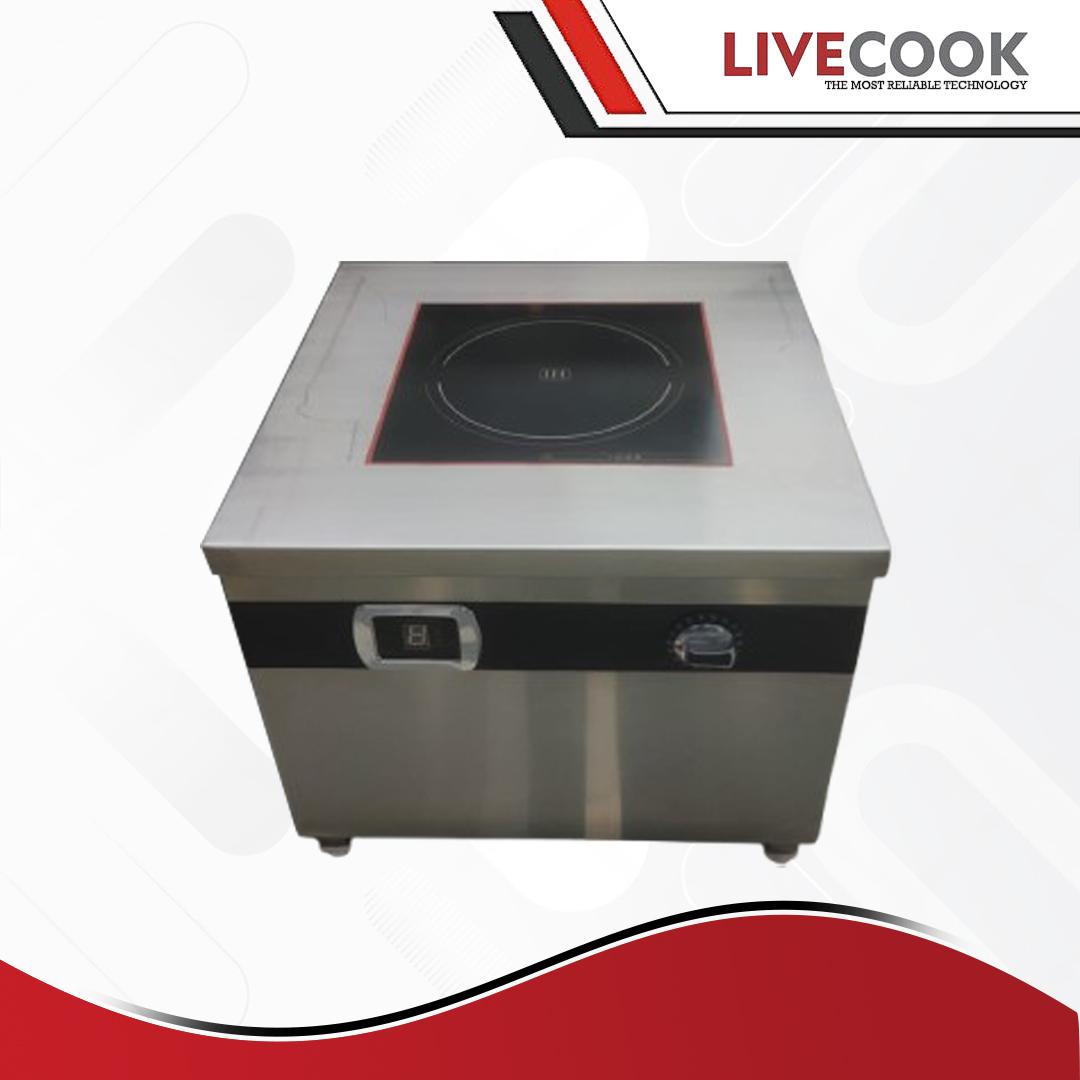
In today’s modern kitchens, technology is changing the way we cook, and the Free Standing Induction Range is becoming a popular choice. It offers fast cooking, better safety, and energy efficiency. This appliance is perfect for both home kitchens and commercial spaces where performance and convenience matter the most. What is a Free Standing Induction Range? A Free Standing Induction...
The global finasteride market continues to expand due to the increasing prevalence of androgenetic alopecia and benign prostatic hyperplasia (BPH). Finasteride is recognized for its ability to inhibit dihydrotestosterone (DHT), slowing hair loss and reducing prostate enlargement. Its established efficacy, patient acceptance, and clinical reliability make it a preferred choice in dermatology and...

Traveling should always begin and end with a comfortable and dependable transportation service. Pearson Airport Taxi Limo is committed to providing professional airport transportation that combines luxury, punctuality, and exceptional customer care. Whether you are heading to the airport for a business trip, returning from a vacation, or welcoming an important guest, our experienced chauffeurs...

介绍 产后出血(PPH)仍然是全球孕产妇发病率和死亡率的主要原因之一。胎盘娩出和子宫收缩对于预防出血至关重要;当这些过程失败时(例如子宫收缩乏力、胎盘残留、外伤或凝血功能障碍),则必须采取干预措施。目前,用于治疗产后出血的器械,例如子宫球囊填塞系统、非充气式抗休克衣(NASG)、止血剂和预充式注射用子宫收缩剂等,已成为重要的治疗手段。 预计2025-2031年预测期内,产后出血治疗器械市场将实现3.5%的复合年增长率。 增长战略 产品创新与先进功能——集成压力传感器、真空吸引式填塞装置和人工智能检测平台的下一代子宫填塞系统正在积极研发中。例如,据一份报告显示,由于能够更早地进行干预,该领域的人工智能检测平台有望以12.25%的复合年增长率增长。...

Wearable cameras are small, portable imaging devices that can be worn on different parts of the body to capture photos and videos from the user’s point of view. Commonly attached to helmets, clothing, glasses, or other wearable gear, these devices allow hands-free recording and real-time content capture during various activities. These cameras are gaining widespread adoption across...