Copper Metal Recycling: A Smarter Approach to Sustainability
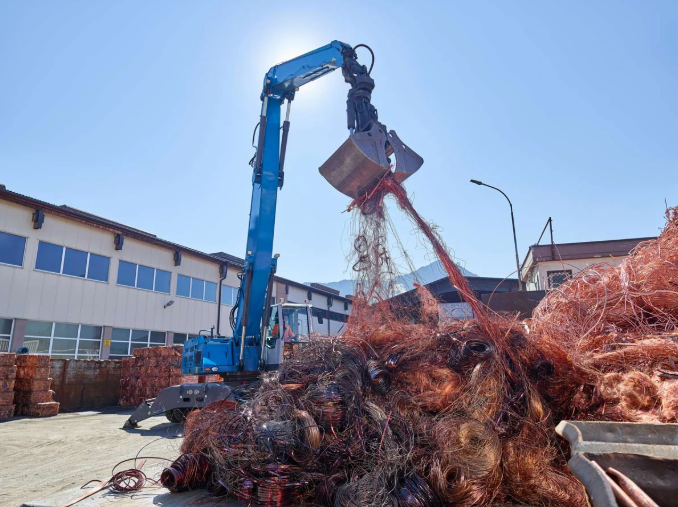
In today’s world, where sustainability is no longer optional but essential, recycling plays a vital role in reducing environmental impact and conserving natural resources. Among recyclable materials, copper stands out for its durability, conductivity, and high reuse value. Whether it’s found in electrical wiring, plumbing systems, or industrial machinery, copper can be recycled repeatedly without losing its quality. This makes Copper Metal Recycling an important practice for both environmental protection and economic efficiency.
The Value of Copper as a Recyclable Material
Copper is one of the few materials that can be recycled indefinitely without degradation. Unlike many other metals, it retains its physical and chemical properties even after multiple recycling processes. This unique characteristic makes copper highly desirable across industries, including construction, electronics, automotive, and renewable energy.
Recycling copper reduces the need for mining, which is not only expensive but also harmful to ecosystems. Mining operations often lead to deforestation, soil erosion, and water pollution. By reusing existing copper, industries can significantly lower their environmental footprint while maintaining high production standards.
Environmental Benefits of Copper Recycling
One of the most compelling reasons to recycle copper is its positive impact on the environment. Producing copper from recycled materials uses up to 85–90% less energy compared to extracting it from raw ore. This translates to lower greenhouse gas emissions and reduced reliance on fossil fuels.
Additionally, recycling helps minimise landfill waste. Copper items such as old cables, pipes, and appliances often end up in landfills if not properly managed. Over time, this contributes to environmental degradation. Recycling ensures these materials are reintroduced into the production cycle rather than discarded.
Another benefit is the conservation of natural resources. Copper mining depletes finite reserves, whereas recycling extends the life cycle of existing materials. This approach aligns with global sustainability goals and promotes a circular economy where resources are reused rather than wasted.
Economic Advantages for Businesses and Individuals
Copper recycling is not just environmentally responsible—it’s also financially rewarding. Due to its high market value, scrap copper is in constant demand. Businesses involved in construction, demolition, or manufacturing can generate additional revenue by selling unused or discarded copper materials.
For individuals, even small amounts of scrap copper—such as wires, plumbing fixtures, or old electronics—can provide a decent return when sold to recycling facilities. This creates an incentive for people to participate in recycling efforts, making it both a practical and profitable activity.
Moreover, recycling reduces production costs for manufacturers. Since recycled copper requires less energy and processing, companies can save on operational expenses while maintaining product quality. This cost efficiency often translates into more competitive pricing in the market.
Common Sources of Recyclable Copper
Copper can be found in a wide range of everyday items. Some of the most common sources include:
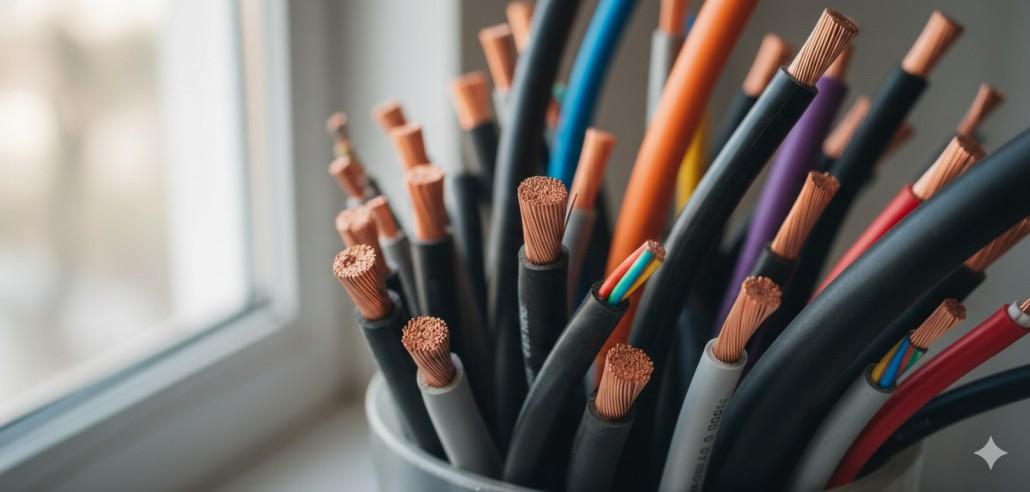
- Electrical wiring and cables
- Plumbing pipes and fittings
- Air conditioning units
- Household appliances
- Roofing materials
- Industrial machinery components
Before recycling, it’s important to separate copper from other materials such as plastic or insulation. Clean, sorted copper typically fetches a higher price and is easier to process.
Best Practices for Effective Recycling
To maximise the benefits of recycling copper, a few simple practices can make a big difference. First, always separate copper from other metals and contaminants. This improves the quality and value of the recycled material. Second, store scrap copper in a dry, organised manner to prevent damage or corrosion.
Working with a reputable recycling facility is also crucial. Professional recyclers have the expertise and equipment needed to process copper efficiently and responsibly. They can also provide guidance on sorting and preparing materials for optimal returns.
In addition, businesses can implement recycling programs within their operations. By encouraging employees to collect and recycle scrap materials, companies can contribute to sustainability goals while reducing waste.
The Role of Recycling in a Sustainable Future
As industries continue to grow and demand for raw materials increases, recycling will play an even more critical role in resource management. Practices like Copper Metal Recycling help bridge the gap between economic development and environmental responsibility.
Governments and organisations worldwide are promoting recycling initiatives to reduce carbon emissions and preserve natural resources. By adopting sustainable practices today, we can ensure a healthier planet for future generations.
Conclusion
Copper recycling is a practical, efficient, and environmentally responsible solution to modern resource challenges. Its ability to be reused without losing quality makes it one of the most valuable materials in the recycling industry. From reducing energy consumption and conserving natural resources to offering economic benefits, the advantages are clear.
By embracing copper recycling—whether as individuals or businesses—we contribute to a cleaner environment and a more sustainable future. Small actions, such as recycling scrap copper, can collectively make a significant difference.
Categories
Read More
Planning a kitchen makeover in Noida Extension? A well-designed modular kitchen can bring functionality, style, and comfort to the heart of your home. Choosing a trusted modular kitchen designer in Noida Extension ensures your kitchen is both beautiful and practical. Royalkitchen Factory offers expert design solutions tailored to your space, lifestyle, and budget. Why Choose a Modular Kitchen...

"Future of Executive Summary Soy Isolates Market: Size and Share Dynamics Data Bridge Market Research analyses that the soy isolates market was valued at USD 5.17 billion in 2021 and is expected to reach the value of USD 8.24 billion by 2029, at a CAGR of 6.00% during the forecast period of 2022-2029. A DBMR team of experts and professionals from a number of streams and verticals bring...

Polaris Market Research has introduced the latest market research report titled Micro-mobility Charging Infrastructure Market Share, Size, Trends, Industry Analysis Report, By Charger (Wired, Wireless); By Power Source (Solar Powered, Battery Powered); By Vehicle; By End-Use; By Region; Segment Forecast, 2021 - 2028 that highlights the major revenue stream for the forecast period. The report...

Introduction Industries operating heavy machinery require durable and flexible electrical connections that can perform reliably under movement, vibration, and harsh environmental exposure. Rubber insulated cables have become the preferred solution for such applications due to their strength, flexibility, and resistance to wear. As a trusted Exporter of Rubber Cables, we supply...
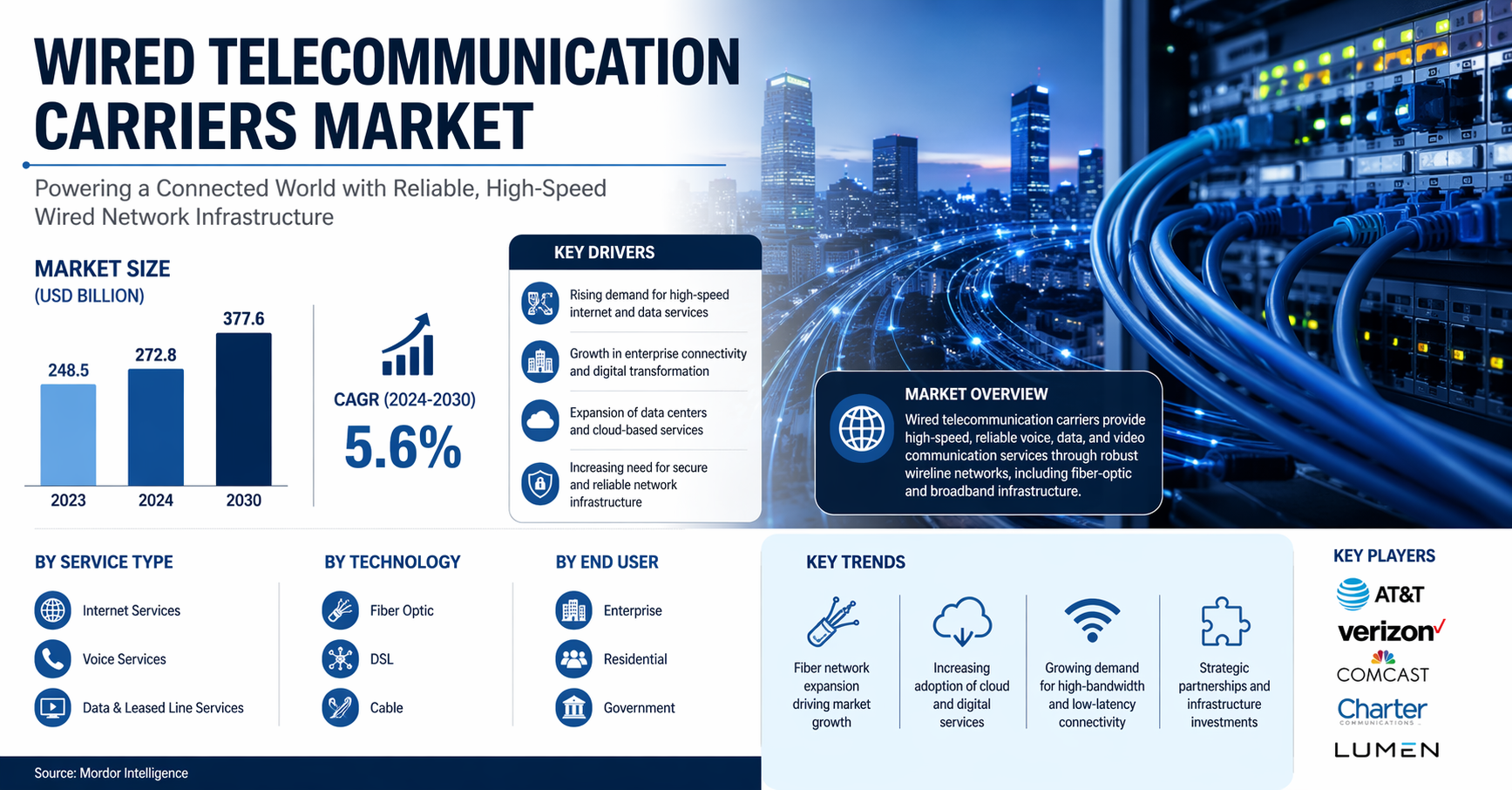
The Wired Telecommunication Carriers Market Scope is a crucial component of the global telecommunications ecosystem, enabling reliable voice, data, and video communication through fixed-line infrastructure. As digital transformation accelerates worldwide, wired networks—especially fiber-optic systems—continue to play a vital role in supporting broadband connectivity, enterprise...