


Modern vs Traditional Refurbishment Styles in the UK
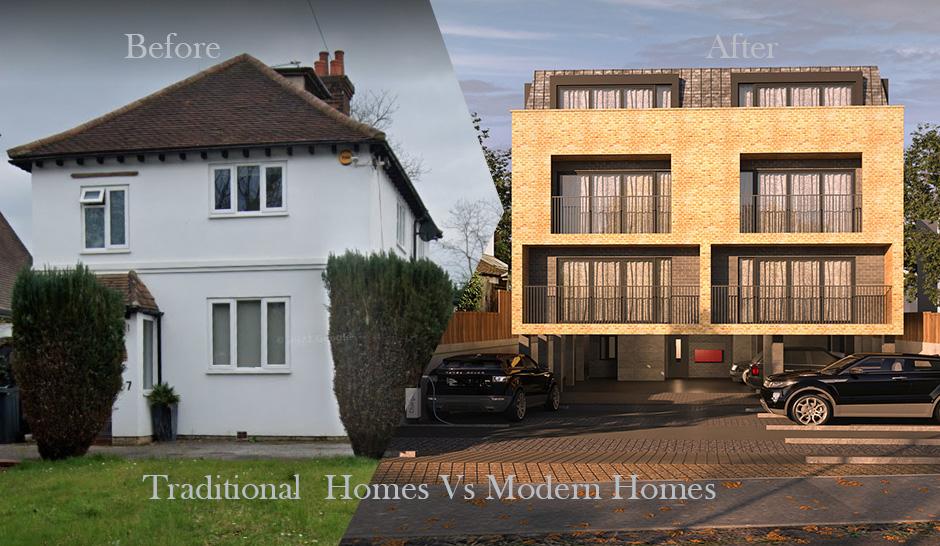
Refurbishment trends in the UK have evolved significantly over the years, with homeowners often choosing between modern and traditional design styles when upgrading their properties. Both approaches offer unique advantages, and the right choice depends on the character of the property, lifestyle preferences, and long-term goals.
Modern refurbishment focuses on sleek aesthetics, open spaces, and contemporary functionality, while traditional refurbishment celebrates heritage features, classic craftsmanship, and timeless elegance. Understanding the differences between these styles can help homeowners create a space that perfectly reflects their personality and property type.
Understanding Modern Refurbishment
Modern refurbishment is centred around simplicity, clean lines, and practical living. It often incorporates open-plan layouts, minimalistic interiors, and advanced technology to create a bright and efficient home environment.
Key characteristics of modern refurbishment include:
-
Neutral colour palettes such as white, grey, and beige
-
Large windows for natural light
-
Open-plan kitchen and living spaces
-
Smart home technology integration
-
Minimal decorative detailing
-
Contemporary materials like glass, steel, and concrete
Modern interiors are designed to maximise space and functionality while creating a stylish and uncluttered atmosphere.
The Appeal of Traditional Refurbishment
Traditional refurbishment focuses on preserving the original character and architectural beauty of a property. This style is particularly popular in period homes such as Victorian terraces, Georgian townhouses, and countryside cottages.
Traditional refurbishment often includes:
-
Restored fireplaces and cornicing
-
Hardwood flooring and timber beams
-
Rich colour schemes and textured fabrics
-
Vintage-inspired fixtures and fittings
-
Decorative mouldings and panelling
-
Handmade or heritage-style furniture
This approach creates warmth, elegance, and a sense of timeless charm that many homeowners appreciate.
Choosing the Right Style for Your Property
The age and structure of a property often influence which refurbishment style works best. Modern refurbishment tends to suit newer homes and apartments, while traditional styles complement older and listed buildings.
However, many UK homeowners are now blending both approaches to create transitional interiors that combine classic charm with modern convenience.
For example, a historic home may retain original fireplaces and sash windows while introducing a contemporary kitchen and open-plan living area. This balance allows homeowners to preserve heritage while adapting the property for modern lifestyles.
Many projects involving Property Refurbishment Tunbridge Wells successfully merge traditional architectural elements with contemporary design features to achieve sophisticated results.
Modern Refurbishment Benefits
Modern refurbishment has become increasingly popular because of its practicality and visual simplicity. Homeowners seeking clean, functional spaces often prefer this approach.
Advantages of Modern Refurbishment
-
Improved natural lighting and ventilation
-
Better use of available space
-
Easier maintenance and cleaning
-
Energy-efficient materials and systems
-
Smart technology integration
-
A sleek and contemporary appearance
Modern homes are often designed with sustainability in mind, using energy-efficient appliances, insulation, and lighting systems to reduce environmental impact.
Traditional Refurbishment Benefits
Traditional refurbishment remains highly desirable, particularly for homeowners who value craftsmanship and period detail. Older UK properties often possess features that are difficult to replicate in modern construction.
Advantages of Traditional Refurbishment
-
Preserves architectural heritage
-
Adds character and individuality
-
Enhances long-term property value
-
Creates a warm and inviting atmosphere
-
Showcases skilled craftsmanship
-
Maintains historical authenticity
Traditional interiors often feel timeless and elegant, making them especially appealing in heritage-rich areas across the UK.
Blending Modern and Traditional Styles
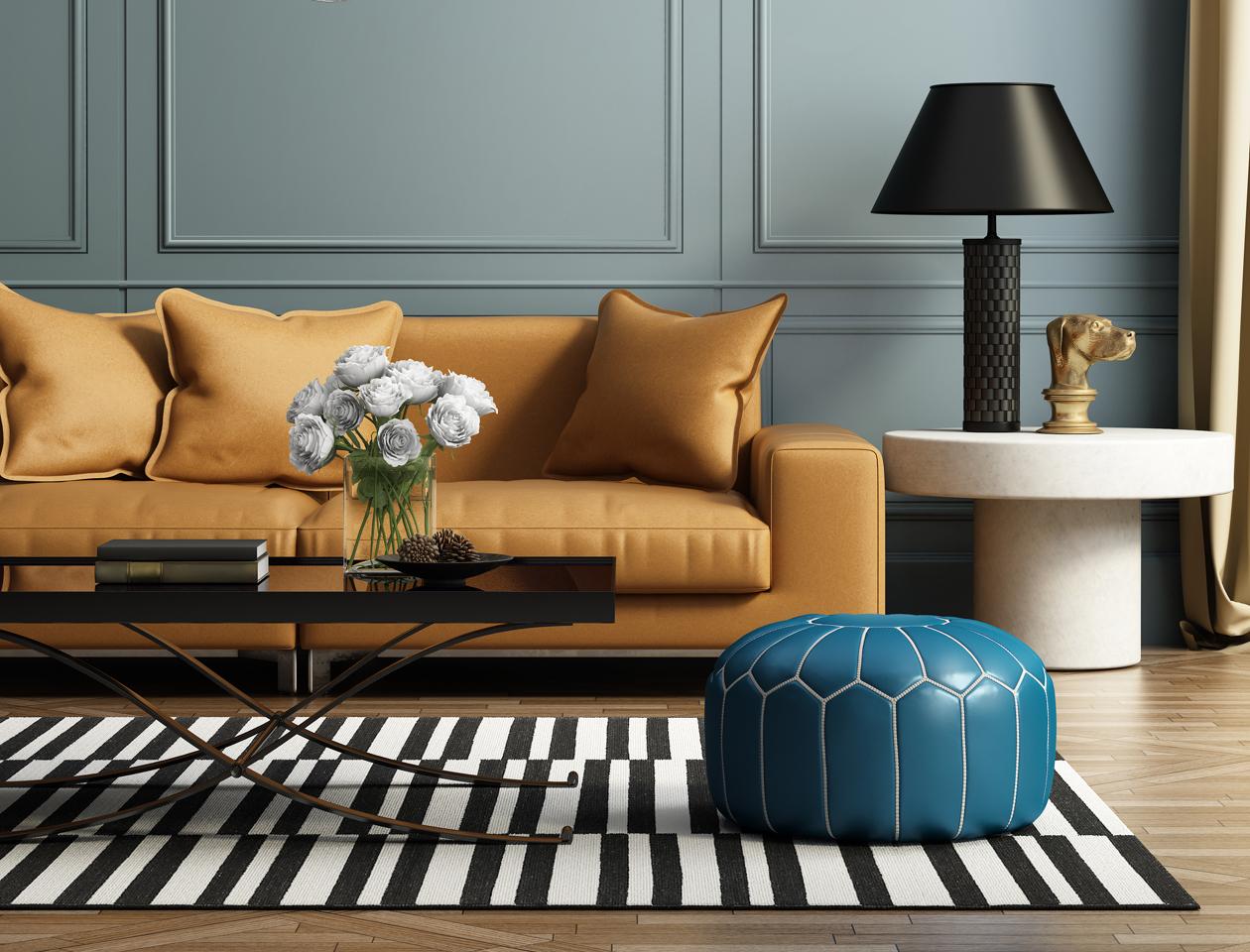
One of the most popular refurbishment trends today is combining modern and traditional elements within the same property. This approach creates a balanced aesthetic that feels both stylish and comfortable.
Examples of blended refurbishment ideas include:
-
Pairing modern lighting with period ceilings
-
Installing sleek kitchens in Victorian homes
-
Combining contemporary furniture with original fireplaces
-
Using glass extensions on traditional brick properties
-
Retaining timber beams alongside minimalist interiors
A carefully planned Home Extension Tonbridge project can successfully merge old and new design styles, creating additional living space without compromising the original character of the property.
Cost Considerations
The cost of refurbishment varies depending on the style, materials, and scale of the project. Traditional refurbishments can sometimes be more expensive due to the specialist craftsmanship and restoration work involved.
Modern refurbishments may require:
-
Structural alterations for open-plan spaces
-
Smart technology installations
-
Contemporary glazing systems
-
Minimalist bespoke finishes
Traditional refurbishments often involve:
-
Restoring original architectural features
-
Sourcing heritage-approved materials
-
Specialist joinery and plasterwork
-
Period-specific decorative details
Homeowners should carefully consider both budget and long-term value when choosing a refurbishment style.
Lifestyle and Functionality
Lifestyle plays a significant role in determining whether modern or traditional refurbishment is the better fit.
Modern interiors are ideal for:
-
Busy family living
-
Entertaining guests
-
Flexible open spaces
-
Technology-focused households
Traditional interiors are often preferred for:
-
Cosy and intimate settings
-
Heritage appreciation
-
Formal living spaces
-
Timeless decorative appeal
Many homeowners undertaking Home Renovation Maidstone projects choose hybrid designs that combine the practicality of modern layouts with the warmth of traditional aesthetics.
Sustainability in Refurbishment
Sustainability has become an important consideration in both modern and traditional refurbishment styles. Eco-friendly upgrades can improve comfort, reduce energy costs, and increase property efficiency.
Popular sustainable refurbishment solutions include:
-
Improved insulation
-
Double or secondary glazing
-
Energy-efficient boilers
-
Sustainable timber materials
-
Solar panels and smart heating systems
Modern refurbishments often prioritise energy performance, while traditional refurbishments focus on preserving original structures using environmentally responsible restoration methods.
Final Thoughts
Both modern and traditional refurbishment styles offer unique advantages for UK homeowners. Modern design provides clean aesthetics, practicality, and energy efficiency, while traditional refurbishment preserves architectural charm and timeless elegance.
The best refurbishment projects often strike a balance between these two approaches, combining heritage features with contemporary comfort and functionality. Whether updating a period home or transforming a modern property, thoughtful planning and quality craftsmanship are essential for achieving lasting results.
By carefully considering property type, lifestyle needs, and design preferences, homeowners can create a beautifully refurbished space that reflects both personal taste and long-term value.
Also Prefer our other Blog:
Categorias
Leia Mais
In a world overflowing with digital noise, standing out has never been more urgent—or more powerful. The brands that dominate attention today aren’t just seen; they’re remembered, held, and experienced. That’s where offset printing steps in as a game-changer. If you’ve been settling for average prints, now is the moment to rethink everything you know about visual...
Situs toto adalah platform online yang menyediakan berbagai jenis permainan tebak angka yang populer di kalangan pengguna internet. Permainan ini biasanya melibatkan rajabandot angka yang akan keluar dalam periode tertentu. Karena kemudahannya diakses melalui perangkat digital, situs toto semakin diminati oleh banyak orang, terutama mereka yang mencari hiburan praktis dari rumah....

The UK government's much-anticipated Circular Economy Growth Plan (formerly the Circular Economy Strategy) has been delayed until early 2026. This postponement creates uncertainty for businesses across five priority sectors: construction, textiles, agri-food, transport, and chemicals. With Defra confirming the delay during November's EFRA Committee hearing, commercial operators must now assess...

In today’s competitive digital landscape, businesses need more than just a website to grow online. Visibility on search engines like Google plays a crucial role in attracting potential customers, building trust, and generating consistent leads. This is where working with a professional SEO Company in Chennai can make a significant difference. Search Engine Optimization is no longer...

Premium Chocolate and Confectionery Market: Trends, Growth Drivers, Segments & Future Outlook The Premium Chocolate and Confectionery Market is undergoing a significant transformation as consumers increasingly shift toward high-quality, indulgent, and ethically sourced sweet products. With rising awareness around clean-label ingredients, artisanal craftsmanship, and gifting...