


When Should You Get a Full Blood Test?
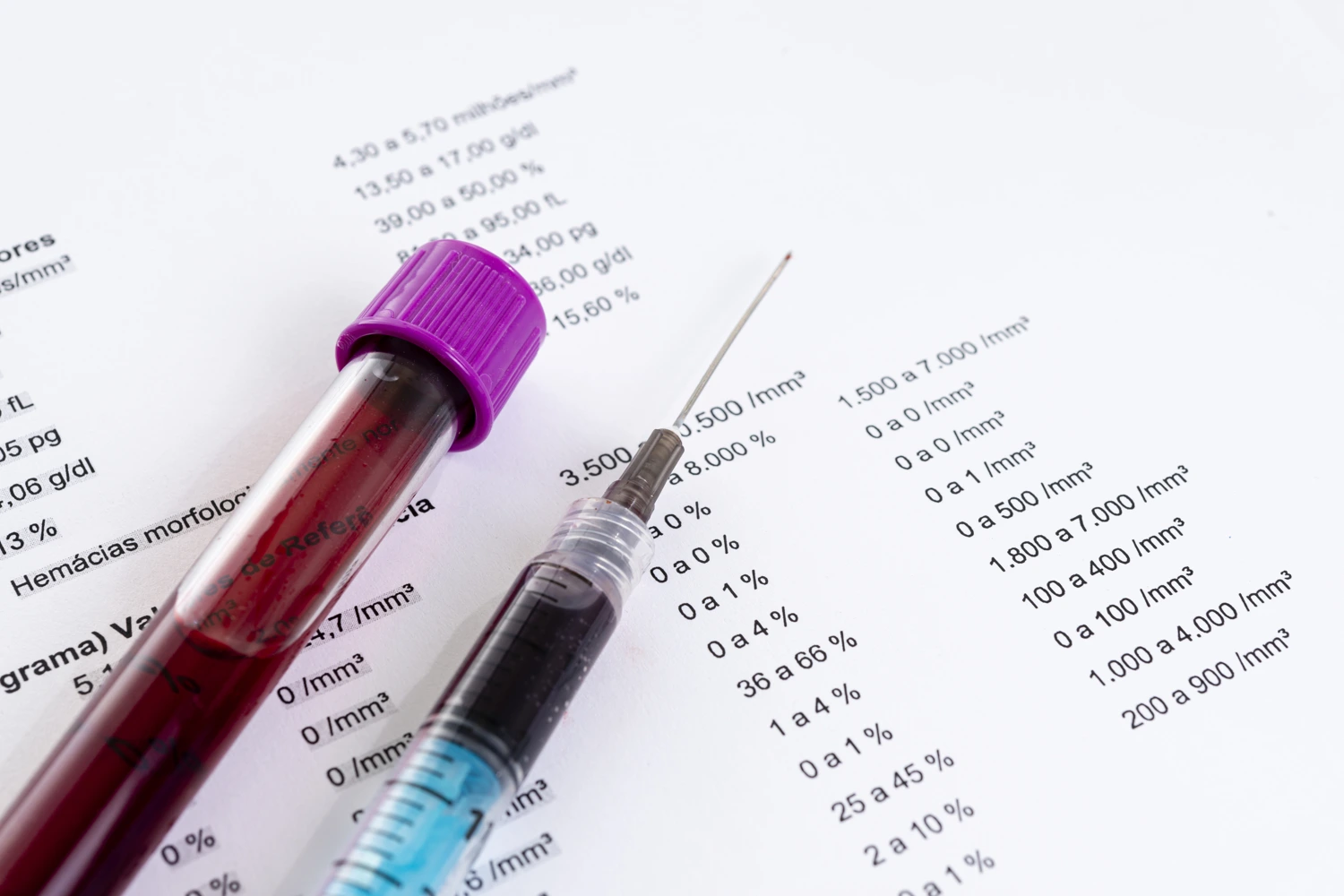
A full blood test is one of the most informative diagnostic tools in modern healthcare. It provides a detailed snapshot of your internal health by analyzing different components of blood such as cells, proteins, enzymes, hormones, and chemical markers. Doctors use these results to detect diseases early, monitor chronic conditions, and evaluate how well organs are functioning.
While many people receive Full Blood Test in Dubai reports without fully understanding them, each marker tells an important story about the body. From red blood cell counts to cholesterol levels and liver enzymes, these indicators help healthcare professionals assess overall wellness and identify hidden medical issues before symptoms appear.
This guide explains the most common full blood test markers and what each one means for your health in simple, clear language.
Why Blood Markers Are Important for Health Assessment
Blood circulates through every organ and tissue in the body, carrying oxygen, nutrients, hormones, and immune cells. Because of this, even small changes in blood composition can reflect deeper health issues.
Blood markers help doctors evaluate:
- Organ function and performance
- Immune system activity
- Nutritional status
- Hormonal balance
- Risk of chronic disease
- Infections and inflammation
Understanding these markers helps patients become more aware of their health and encourages early intervention when needed.
Complete Blood Count (CBC): The Foundation of Blood Testing
The complete blood count is one of the most commonly performed tests in a full blood panel. It evaluates the main components of blood and provides insight into general health status.
Red Blood Cells (RBC): Oxygen Transport Indicator
Red blood cells are responsible for carrying oxygen from the lungs to tissues throughout the body.
What Abnormal RBC Levels Mean
Low red blood cell counts may indicate:
- Anemia
- Iron deficiency
- Vitamin B12 deficiency
- Chronic illness
- Blood loss
High red blood cell counts may suggest:
- Dehydration
- Lung disease
- Smoking-related changes
- Bone marrow conditions
RBC levels are essential for understanding energy levels and oxygen supply in the body.
Hemoglobin: Oxygen-Carrying Capacity
Hemoglobin is the protein inside red blood cells that binds oxygen.
What Hemoglobin Levels Indicate
Low hemoglobin levels may cause:
- Fatigue
- Weakness
- Dizziness
- Shortness of breath
High hemoglobin levels may be linked to dehydration or underlying lung conditions. Hemoglobin testing is often used to detect anemia and monitor overall blood health.
White Blood Cells (WBC): Immune System Activity
White blood cells play a key role in fighting infections and protecting the body from harmful microorganisms.
What WBC Levels Reveal
High white blood cell counts may indicate:
- Bacterial infections
- Viral infections
- Inflammation
- Stress response
- Immune disorders
Low WBC counts may suggest:
- Weakened immune system
- Bone marrow problems
- Viral infections
- Medication side effects
WBC testing is crucial for understanding immune system health and infection response.
Platelets: Blood Clotting Function
Platelets help the blood clot and prevent excessive bleeding when injuries occur.
What Platelet Counts Mean
Low platelet levels may lead to:
- Easy bruising
- Excessive bleeding
- Slow wound healing
High platelet levels may indicate:
- Inflammation
- Infection
- Bone marrow disorders
- Risk of clot formation
Platelet counts are essential for evaluating bleeding and clotting disorders.
Blood Glucose: Diabetes and Sugar Control
Blood glucose testing measures the amount of sugar in the bloodstream and is a key indicator of metabolic health.
What Glucose Levels Reveal
High blood glucose may indicate:
- Diabetes
- Prediabetes
- Insulin resistance
- Metabolic syndrome
Low glucose levels may suggest:
- Hypoglycemia
- Hormonal imbalance
- Poor nutrition
Blood sugar monitoring is critical for preventing long-term complications such as nerve damage, kidney disease, and cardiovascular problems.
Lipid Profile: Cholesterol and Heart Health
A lipid profile measures different types of fats in the blood that affect cardiovascular health.
LDL Cholesterol: “Bad” Cholesterol
High LDL cholesterol levels may lead to:
- Artery blockage
- Heart disease
- Stroke risk
- Poor circulation
HDL Cholesterol: “Good” Cholesterol
High HDL cholesterol is beneficial because it helps remove excess cholesterol from the bloodstream.
Triglycerides: Fat Storage Indicator
Elevated triglycerides may be linked to:
- Obesity
- Diabetes
- High-calorie diets
- Heart disease risk
Monitoring lipid levels is essential for preventing cardiovascular conditions.
Liver Function Tests (LFTs): Detox and Metabolism Health
The liver processes toxins, supports digestion, and regulates metabolism. Liver function tests measure enzymes and proteins that indicate liver health.
Key Liver Markers and Meaning
Elevated liver enzymes may suggest:
- Fatty liver disease
- Hepatitis
- Alcohol-related liver damage
- Medication effects
Abnormal liver results often appear before symptoms like fatigue or abdominal discomfort.
Kidney Function Tests: Waste Removal and Fluid Balance
Kidneys filter waste products and regulate fluid and electrolyte balance.
Important Kidney Markers
Creatinine and blood urea nitrogen (BUN) are commonly measured.
Abnormal kidney results may indicate:
- Kidney disease
- Dehydration
- Urinary tract issues
- Reduced kidney function
Early detection helps prevent long-term kidney damage.
Thyroid Function Tests: Metabolism Regulation
The thyroid gland controls metabolism, energy production, and hormonal balance.
Key Thyroid Markers:
TSH, T3, and T4 levels are used to evaluate thyroid function.
What Thyroid Results Mean
Low thyroid activity may cause:
- Fatigue
- Weight gain
- Depression
- Cold intolerance
High thyroid activity may cause:
- Weight loss
- Anxiety
- Rapid heartbeat
- Insomnia
Thyroid testing is important for diagnosing hormonal imbalances early.
Electrolytes: Hydration and Nerve Function
Electrolytes such as sodium, potassium, calcium, and chloride help regulate muscle function, nerve signals, and hydration balance.
Abnormal Electrolyte Levels May Indicate:
- Dehydration
- Kidney problems
- Heart issues
- Hormonal imbalance
Electrolyte balance is essential for proper body function.
C-Reactive Protein (CRP): Inflammation Marker
CRP is a protein that increases when inflammation is present in the body.
What High CRP Levels Mean
Elevated CRP may indicate:
- Infection
- Chronic inflammation
- Autoimmune conditions
- Increased cardiovascular risk
CRP testing helps detect hidden inflammation that may not cause visible symptoms.
Iron Studies: Energy and Oxygen Supply
Iron is essential for producing hemoglobin and transporting oxygen.
What Iron Markers Reveal
Low iron levels may indicate:
- Iron deficiency anemia
- Poor diet
- Internal bleeding
Iron studies help explain fatigue, weakness, and poor concentration.
Vitamin D and B12: Nutritional Health Indicators
Vitamin levels are often included in advanced blood testing.
Vitamin D Deficiency May Cause:
- Weak bones
- Low immunity
- Fatigue
- Mood changes
Vitamin B12 Deficiency May Cause:
- Memory issues
- Nerve problems
- Weakness
- Anemia
Nutritional markers help identify hidden deficiencies affecting daily health.
What Abnormal Blood Markers Really Mean?
Abnormal results do not always indicate serious disease. Many factors can influence blood readings, including:
- Stress
- Diet
- Medications
- Dehydration
- Physical activity
- Temporary illness
Doctors interpret blood results along with symptoms, medical history, and additional tests to reach accurate conclusions.
Why Understanding Blood Markers Matters?
Knowing what blood markers mean helps individuals:
- Understand their health status
- Detect early warning signs
- Improve lifestyle choices
- Monitor chronic conditions
- Reduce disease risk
Awareness of these markers encourages proactive health management rather than reactive treatment.
Final Thoughts:
A full Lab tests provides detailed insight into almost every major system in the body. Each marker, from red blood cells and hemoglobin to cholesterol, liver enzymes, kidney function, and thyroid hormones, tells a specific story about internal health.
Understanding these common blood markers helps individuals interpret their health more clearly and recognize early signs of potential problems. When combined with regular medical checkups and healthy lifestyle habits, blood testing becomes a powerful tool for preventive healthcare and long-term wellness.
By learning what your blood test results mean, you gain the ability to take control of your health, detect issues early, and make informed decisions that support a healthier future.
Κατηγορίες
Διαβάζω περισσότερα
According to the latest report published by Data Bridge Market Research, the Low-Density Lipoprotein (LDL) Test Market Data Bridge Market Research analyses that the low-density lipoprotein (LDL) test market which is USD 8575.99 million in 2022, is expected to reach USD 13772.33 million by 2030, at a CAGR of 6.1% during the forecast period 2023 to 2030. Today’s businesses are...

NEWARK, DE, June 26, 2026 According to a recent study by Future Market Insights (FMI), the global Kombucha Tea Market is entering a high-growth phase as consumer preference for functional beverages, gut health solutions, and naturally fermented products continues to rise. The market is projected to grow from USD 2.4 billion in 2026 to USD 7.1 billion by 2036, registering a CAGR of 11.5% during...

“Exactitude Consultancy: Defining the Standards of Your Success” Map small domestic appliance optimization pathways in the consumer air fryer market. See how high-velocity electric heating coils paired with direct-drive fans create uniform thermal currents. The global air fryer market is estimated to jump from USD 1.10 Billion in 2026 to USD 1.68 Billion by 2033, displaying...
In today’s fast-moving digital environment, users expect online platforms to provide quick, smooth, and convenient experiences. Introduction In today’s fast-moving digital environment, users expect online platforms to provide quick, smooth, and convenient experiences. Whether people are browsing social media, watching live sports, shopping online, or engaging with entertainment...

Flat Glass Coatings Market Overview The global Flat Glass Coatings market was valued at USD 4.37 billion in 2026 and is projected to reach USD 15.87 billion by 2034, expanding at a CAGR of 17.5% during the forecast period. The market is experiencing strong growth driven by increasing demand for energy-efficient buildings, rising adoption of solar energy...