


Enterprise Generative AI Market Future Outlook 2031: Investment Opportunities and Market Dynamics

The global technological landscape is undergoing a seismic shift as businesses transition from traditional automation to intelligent creation. The enterprise generative AI market represents the frontline of this evolution, offering organizations the ability to synthesize data, automate complex workflows, and generate high quality content at scale. By 2031, this market is projected to reach a mature state, becoming an essential pillar of the modern corporate infrastructure. This analysis explores the trajectories, market dynamics, and competitive landscape shaping the future of generative intelligence in the professional sector.
Market Overview and Growth Dynamics
The enterprise generative AI market is characterized by a rapid transition from experimental use cases to mission critical integration. While the initial wave of adoption was driven by curiosity and basic productivity gains, the horizon toward 2031 focuses on specialized, domain specific models that offer high precision and security. Enterprises are increasingly moving away from general purpose public models in favor of private, fine tuned architectures that safeguard proprietary data while delivering tailored outputs. The Enterprise Generative AI Market size is projected to reach US$ 38.6 billion by 2031 from US$ 7.4 billion in 2024. The market is expected to register a CAGR of 27.3% during 2025–2031.
Several factors are propelling this market forward. The exponential growth of digital data provides the necessary fuel for training sophisticated Large Language Models (LLMs) and Diffusion Models. Simultaneously, the advancement of high performance computing and cloud infrastructure has made it commercially viable for mid sized enterprises to deploy generative solutions. By 2031, the market is expected to see a significant shift in deployment models, with hybrid cloud and on-premise solutions gaining traction among industries with strict regulatory requirements, such as finance and healthcare.
Strategic Market Analysis by Segment
To understand the market's trajectory, it is essential to analyze the components driving value. The market is generally bifurcated into software and services. The software segment remains the primary revenue contributor, encompassing foundational models, API platforms, and specialized application software. However, the services segment is witnessing the fastest compound annual growth rate. This is due to the rising demand for strategic consulting, model integration, and continuous maintenance as companies struggle to keep pace with the rapid rate of innovation.
From an application perspective, content generation and marketing automation initially dominated the space. Looking toward 2031, the focus is shifting toward complex problem solving, such as generative design in manufacturing, synthetic data generation for training other AI systems, and automated code development. These applications offer a higher Return on Investment (ROI) by significantly reducing the time to market for new products and services.
Regional Market Insights
North America currently leads the enterprise generative AI market, supported by a robust ecosystem of technology giants and a high concentration of research institutions. However, the Asia Pacific region is expected to emerge as a powerhouse by 2031. Rapid digitalization in economies like China, India, and Japan, coupled with heavy government investment in AI sovereignty, is creating a fertile ground for localized generative AI solutions. Europe remains a steady market, with a specific focus on "Ethical AI" and "Explainable AI," driven by stringent data privacy frameworks that influence how enterprises deploy generative tools.
Competitive Landscape and Top Players
The competitive environment is a mix of established hyperscalers and agile AI startups. As we approach 2031, the market is likely to see significant consolidation as larger players acquire niche startups to bolster their full stack capabilities. The focus for these leaders is not just on model size, but on model efficiency and the ability to operate within low latency environments.
Top players currently shaping the enterprise generative AI market include:
- Microsoft Corporation (through its strategic partnership with OpenAI)
- Google LLC (Alphabet Inc.)
- Amazon Web Services (AWS)
- IBM Corporation
- NVIDIA Corporation
- Adobe Inc.
- Salesforce, Inc.
- Anthropic PBC
- Cohere Inc.
- Meta Platforms, Inc.
These organizations are investing heavily in "Model-as-a-Service" (MaaS) offerings, allowing enterprises to access cutting edge generative capabilities without the need for massive internal infrastructure.
Strategic Challenges and Integration
Despite the optimistic growth projections, enterprises face hurdles in achieving full scale deployment. Data privacy remains a paramount concern, as the risk of "hallucinations" or data leakage can have severe legal and financial repercussions. Furthermore, the global shortage of AI talent necessitates the development of "No-Code" or "Low-Code" generative platforms that allow non technical staff to leverage AI power. By 2031, the success of an enterprise in this market will depend on its ability to build a robust AI governance framework that balances innovation with risk management.
Future Outlook
The period leading up to 2031 will be defined by the "Agentic AI" era. We will move beyond simple chatbots to autonomous AI agents capable of executing multi step business processes with minimal human intervention. Generative AI will become invisible, embedded deeply within ERP, CRM, and HCM systems, functioning as a cognitive layer that enhances human decision making. Organizations that prioritize data readiness and cultural adaptation today will find themselves at a significant competitive advantage in the coming decade. The market is no longer about if an enterprise will adopt generative AI, but how deeply it will be integrated into the fabric of the business.
Frequently Asked Questions
1. What is the primary driver for the Enterprise Generative AI Market through 2031?
The primary driver is the demand for operational efficiency and hyper personalization. Enterprises are seeking ways to automate complex creative and analytical tasks to reduce costs and deliver unique customer experiences at scale.
2. Which industry vertical is expected to see the highest adoption?
While IT and Telecommunications are early adopters, the BFSI (Banking, Financial Services, and Insurance) and Healthcare sectors are expected to see massive growth by 2031 due to the need for automated compliance, fraud detection, and personalized medicine.
3. How will generative AI impact the workforce in the next decade?
Generative AI is expected to act as a "force multiplier" rather than a total replacement. It will shift human roles toward strategy, oversight, and creative direction, while the AI handles data synthesis and initial drafting.
Categorias
Leia mais
Deep within the serene murmuring woods, lies the Grove of Epiphany, a mystical setting where adventurers begin their quest alongside Castorice. This tranquil region teems with hidden treasures, ranging from chests filled with valuables to intricate puzzles involving prophecy tablets and golden artifacts. Participants who successfully unlock each golden scapegoat puzzle are rewarded generously,...

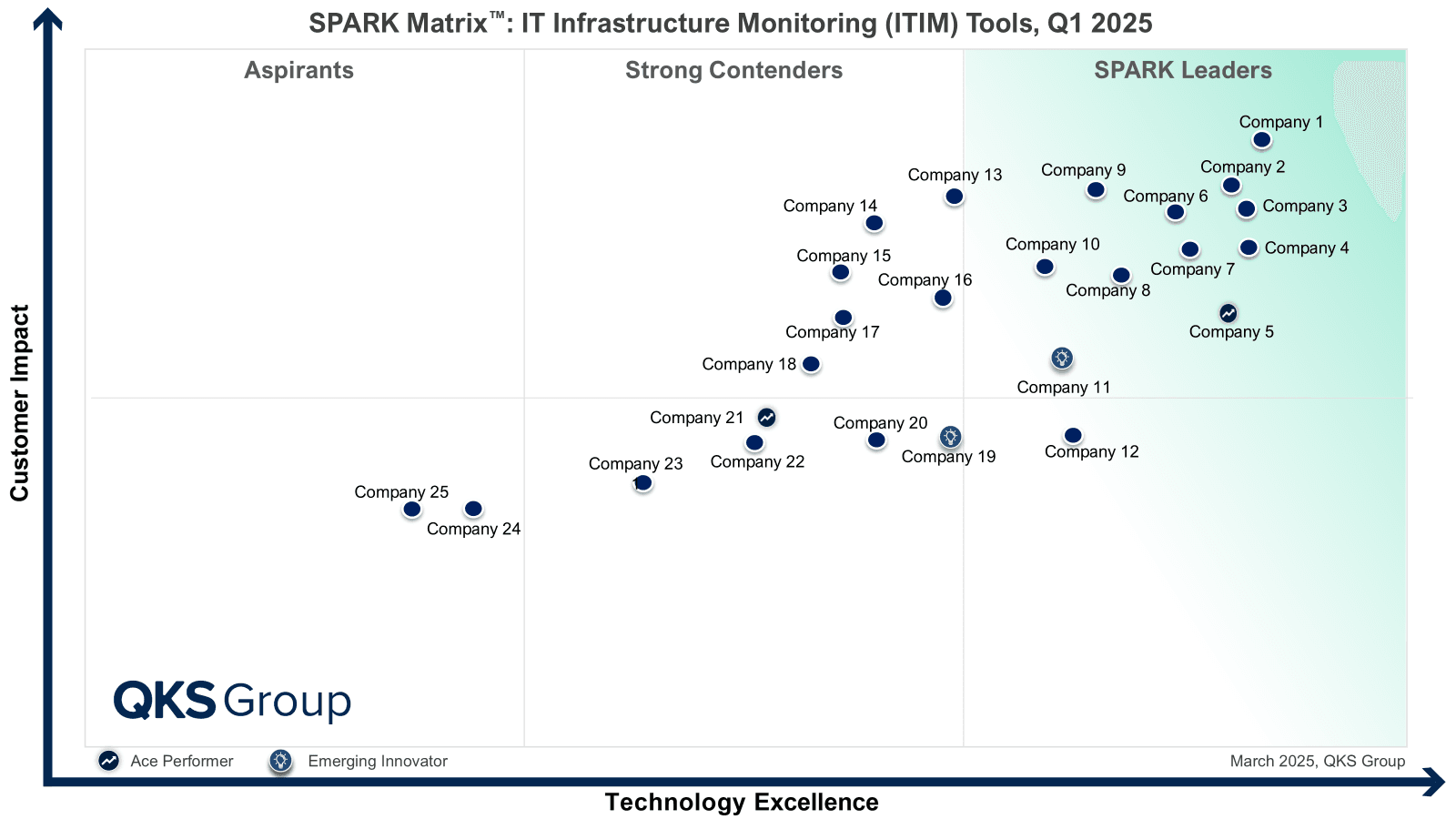
Introduction – Why IT Infrastructure Monitoring Matters Today Modern enterprises operate in an always-on digital environment. Applications are distributed across data centers, clouds, and edge locations. Downtime, latency, or blind spots in infrastructure can directly impact revenue, customer experience, and brand trust. IT Infrastructure Monitoring (ITIM) Tools have therefore become a...
A new growth forecast report titled Attack Surface Management Market Share, Size, Trends, Industry Analysis Report, By Offering (Solutions, Services); By Organization Size; By Deployment Mode (Cloud, On-Premises); By End-User; By Region; Segment Forecast, 2024 - 2032 introduced by Polaris Market Research represents conclusive data on the overall market. It majorly targets to provide a...

Introduction Rigging and lifting operations are among the most safety-critical tasks in industries such as construction, oil and gas, marine, and heavy engineering. As regulations evolve and equipment technology advances, instructors must remain up-to-date not only on practical rigging techniques but also on how to teach them effectively. That’s where the Advanced Rigging...

Polaris Market Research has introduced the latest market research report titled Surveillance Radars Market Share, Size, Trends, Industry Analysis Report, By Application Type (Commercial, National Security, Military & Defense, Perimeter security, ISR, Hostile Satellites, Aerospace, Maritime, and Others); By Platform; By Component; By Range; By Region; Segment Forecast,...
