


Digital Signage for Restaurants: Transforming the Dining Experience
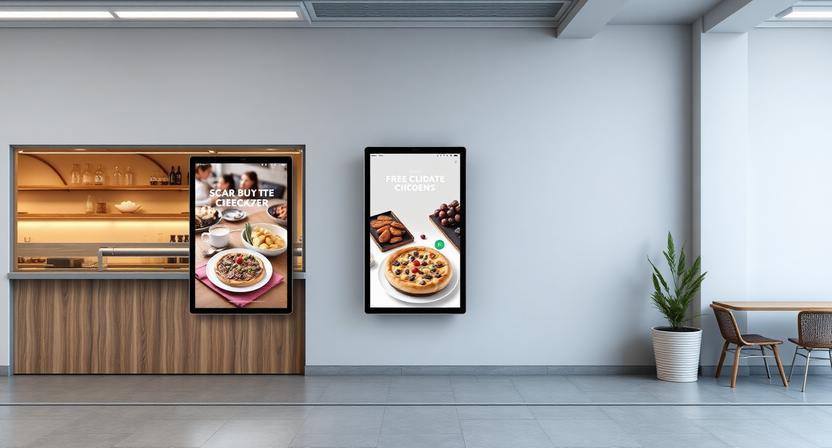
Introduction to Restaurant Digital Signage
Digital signage for restaurants has gone beyond being a mere replacement of a menu board into a full-fledged communication platform that serves the customer better and the restaurant more effectively. Restaurants of any size, whether they are fast-food chains or fine dining, are transitioning towards digital displays as an alternative to the usual posters, chalkboards and printed menus. It is a technology that enables restaurants to show colorful, high-resolution content which can be updated in real time and in one or more locations.
Changing customer expectations have led toward a transition to digital solutions. Modern diners require visual appeal, real-time information, and seamless experiences. Digital signage in restaurants fulfils them and gives the owners a level of control over their messages like never before.
The main advantages of digital signage in restaurants
The application of digital signage within a restaurant environment provides quantifiable benefits which directly affect the bottom line. One of the most significant benefits is pricing flexibility. Prices on menus can easily be changed on all screens within seconds when the price of ingredients changes or a new promotion is released. This will save the cost and wastage of reprinting the laminated menus or paper inserts.
Potential upselling is another important benefit. Online advertisements can be strategically placed with high-margin products, daily specials, or combo offers with animated displays that can draw attention. Research indicates that moving menu boards boost the average size of ticket purchases through impulse purchases. As an example, a rotating section with a signature dessert or high quality beverage may lead to additional orders that are not usually elicited by the static menus.
Digital signage in restaurants also enhances operational efficiency. Kitchen display systems with front-of-house screens minimize errors in orders and enhance food preparation. Employees do not have to waste time answering simple menu questions since the digital boards have clear and in-depth details regarding ingredients, allergens, and how to prepare them.
Digital signage display types in restaurant environments
The various sections in a restaurant can use varying forms of digital signage solutions. One of the most popular applications in quick-service restaurants is drive-thru menu boards. These outdoor displays need to be weatherproof and yet be readable under direct sunlight. Anti-glare coated high-brightness screens enable the customers to make orders without being frustrated.
The primary ordering interface is made up of indoor menu boards that are hung behind the counter. Such outlets commonly have large format displays and they are grouped into rational categories including appetizers, entrees, drinks, and desserts. A lot of restaurants employ multiple screens next to each other to divide menu sections or to devote a screen to advertising materials completely.
Digital signage is not limited to ordering locations. Waitlist screens at host stands indicate the estimated wait times and usable seating. Wall-mounted screens in dining rooms can show chef specials, wine suggestions or cycling educational material on ingredients and sourcing. Even washrooms have space where signs can be put up to advertise future events or loyalty programs.
Restaurant digital signage content strategies
Restaurant digital signage should be a considered piece of content and not just a menu on the wall. Dayparting is an effective tool that automatically switches content depending on the time of day. There seems to be a breakfast menu, which shifts to lunch items in the day and changes to dinner items in the evening. There are also systems which accommodate late-night hours when limited menus are used.
Automatic updates ensure that content is kept up to date without any manual intervention. The summer drinks promotion can be planned to take place from June until August, and this will be replaced automatically with a fall harvest menu. Limited-time offers generate urgency with countdown timers, and customer photos and positive feedback are displayed in social media feeds integrated into displays.
Nutritional information and allergen warnings are also significantly important elements of content. Digital signage allows showing detailed ingredient lists without overcrowding the main menu. Customers who have dietary requirements can find safe items fast, lessening the workload on the staff and enhancing satisfaction with meals.
Technical considerations for restaurant implementation
One of the aspects to consider when choosing the right hardware to use with restaurant digital signage is the environment. Kitchens should have displays that are enclosed to prevent heat, steam, and grease. Drive-thru signs should be outdoor-rated, have a good temperature range, and be waterproof. Front-of-house displays are to have large viewing angles and brightness which is enough to beat ambient light.
It has become the standard in the industry to use cloud-based content management systems to manage restaurant digital signage. With these platforms, managers can update screens using any internet-connected gadget, be it a smartphone, tablet, or desktop computer. The change is transmitted to all screens within a few seconds, and pricing errors can be rectified or a sold-out item can be announced before the next customer makes a purchase.
Restaurant digital signage may have relatively small bandwidth needs as the content is usually stored locally on media players. But live video streaming or real-time social media platforms require consistent connections. The majority of restaurants are satisfied with standard business broadband service, and the offered performance is sufficient to use digital signage.
Measuring success through restaurant digital signage
There are a few key measures that restaurant proprietors can use to evaluate the success of their investments in digital signage. Before-and-after promotion sales data on featured items will indicate the effects of digital displays on purchasing. A lower number of customer questions related to the menu means better clarity and information design. Reduced average transaction times imply that digital boards can assist customers to make decisions in a shorter time.
Employee feedback is also insightful. Employees who receive fewer inquiries regarding ongoing promotions or pricing alterations can prove that the system is providing the correct information on time. Finally, effective restaurant digital signage eases the tension of operations and forms a more interactive atmosphere that helps to retain customers.
الأقسام
إقرأ المزيد
The upcoming Carry1st Africa Cup grand finals are set to take center stage in Lagos this weekend, August 30-31, showcasing the continent’s top Call of Duty: Mobile talents. This event is recognized as one of the most significant mobile esports tournaments in Africa, featuring a substantial prize pool of $15,000 and a chance to qualify for the global Call of Duty Mobile World...

Introduction Varanasi is one of India's ancient and religious cities having a flight of thousands of visitors, tourists and business as well, every year. Its hustling and bustling streets will require a dependable form of transportation to navigate through its popular destinations. Darbari Car Rental offers you reliable Varanasi cab rental and cab rental near you facilities which provide safe,...
According to the latest report published by Data Bridge Market Research, the Non-Ionic Surfactants Market Data Bridge Market Research analyses that the non-ionic surfactants market will witness a CAGR of 5.10% for the forecast period of 2022-2029. This Non-Ionic Surfactants Marketdocument provides with CAGR value fluctuation during the forecast period for the market. The report...
When temperatures rise in Texas, having a dependable air conditioning system is not just a luxury—it’s a necessity. Homeowners in and around the 77095 area understand how important it is to have a properly functioning cooling system to stay comfortable during the hottest months of the year. If your air conditioner starts making strange noises, fails to cool effectively, or suddenly...

Book Tirupati to Kanchipuram Taxi with Cabbazar for reliable, safe & budget-friendly cab service with trained drivers. Easy booking, fares start Rs 9