


Rebuilding Identity After Addiction: Steps Toward Emotional Healing

Recovery does more than help people stop using drugs or alcohol. It also helps them rediscover who they are. Many people lose parts of their identity during addiction. Relationships suffer, confidence drops, and daily life starts revolving around substances instead of personal growth.
Emotional healing takes time, but rebuilding identity after addiction is possible. With the right support, healthy routines, and self-awareness, people can reconnect with their values and create a meaningful future.
At Fairland Recovery Center, recovery focuses on both substance use treatment and long-term emotional wellness. Healing works best when people learn how to rebuild their lives, not just avoid relapse.
Why Addiction Impacts Personal Identity
Addiction often changes how people think about themselves. Over time, unhealthy habits replace hobbies, passions, and goals. Someone who once loved music, sports, or spending time with family may stop doing those things completely.
Research from the National Institute on Drug Abuse (NIDA) explains that substance use disorders affect decision-making, behavior, and emotional regulation. These changes can make people feel disconnected from their real personality and values.
Many people in recovery ask difficult questions like:
-
“Who am I without substances?”
-
“Can I trust myself again?”
-
“What kind of life do I want now?”
These questions may feel uncomfortable at first, but they often mark the beginning of emotional healing.
Emotional Healing Is Part of Recovery
Sobriety and emotional recovery are not the same thing. A person can stop using substances yet still struggle with guilt, anxiety, shame, or low self-esteem.
That is why professional treatment programs often include therapy, group counseling, and mental health support. According to the Substance Abuse and Mental Health Services Administration (SAMHSA), recovery includes improving health, building purpose, and creating a supportive life.
Emotional healing helps people:
-
Understand triggers
-
Process trauma
-
Rebuild confidence
-
Improve relationships
-
Create healthy coping skills
Without emotional healing, recovery can feel incomplete.
Step 1: Accept That Identity Can Change
Many people think recovery means becoming the person they were before addiction. In reality, recovery often creates a stronger and healthier version of that person.
Growth changes identity. That is normal.
A person who completes treatment may develop new priorities, healthier boundaries, and better emotional awareness. Recovery can reshape how someone views success, relationships, and self-worth.
Think of it this way: even smartphones need updates to function properly. Humans are not much different.
Accepting change allows people to move forward instead of staying trapped in guilt about the past.
Step 2: Rebuild Daily Structure
Addiction usually creates chaos. Recovery benefits from consistency.
Healthy routines improve emotional stability and reduce stress. Small habits may seem simple, but they often make a huge difference over time.
Helpful routines include:
-
Waking up at a consistent time
-
Eating balanced meals
-
Exercising regularly
-
Attending therapy or support groups
-
Practicing mindfulness
-
Setting realistic goals
The Centers for Disease Control and Prevention (CDC) also highlights the connection between physical health, sleep, and emotional wellness.
Structure creates momentum. Momentum builds confidence.
Step 3: Reconnect With Personal Interests
Addiction often pushes hobbies aside. Recovery creates space to rediscover them.
People in recovery frequently reconnect with activities they once enjoyed, including:
-
Art
-
Music
-
Writing
-
Fitness
-
Volunteering
-
Cooking
-
Outdoor activities
Trying new interests also helps. Some people discover passions they never explored before treatment.
These activities provide more than entertainment. They help people rebuild identity through positive experiences and healthy social connections.
Step 4: Build Honest Relationships
Healthy relationships play a major role in emotional healing. Supportive people provide encouragement, accountability, and connection during recovery.
Unfortunately, addiction can damage trust. Rebuilding relationships takes patience and honesty.
Healthy communication includes:
-
Taking responsibility for past actions
-
Setting clear boundaries
-
Listening actively
-
Avoiding toxic environments
-
Spending time with supportive individuals
Recovery also means learning that not every relationship should continue. Sometimes emotional healing requires distance from people connected to unhealthy habits.
Programs like the ones offered at Fairland Recovery Center help individuals develop communication and coping skills that support long-term recovery.
Step 5: Learn to Manage Shame and Self-Criticism
Many people in recovery struggle with shame. They replay mistakes repeatedly and judge themselves harshly.
That mindset can slow emotional healing.
Therapy helps people separate their identity from their past behaviors. A mistake should not define an entire life story.
According to the American Psychological Association (APA), self-compassion supports emotional resilience and mental health improvement.
Self-compassion does not mean avoiding responsibility. It means recognizing growth while continuing to improve.
Recovery requires accountability, but it also requires hope.
Step 6: Focus on Long-Term Mental Wellness
Recovery works best when people continue caring for their mental health after treatment.
Long-term emotional wellness may include:
-
Ongoing therapy
-
Support groups
-
Stress management
-
Mindfulness practices
-
Healthy sleep habits
-
Relapse prevention planning
Mental health and addiction often connect closely. The National Alliance on Mental Illness (NAMI) reports that many individuals with substance use disorders also experience mental health challenges like anxiety or depression.
Addressing both areas supports stronger recovery outcomes.
For individuals seeking flexible treatment options, Fairland Recovery Center’s Intensive Outpatient Program provides continued support while allowing clients to manage work, family, and daily responsibilities.
Recovery Is About More Than Sobriety
Recovery is not simply about avoiding substances. It is about rebuilding a meaningful life.
That process includes emotional healing, self-discovery, and personal growth. People in recovery often become more self-aware, emotionally resilient, and connected to their goals than ever before.
The journey may feel challenging at times, but progress happens step by step.
One healthy decision leads to another. One positive habit builds confidence. Over time, identity begins to shift from surviving addiction to building a healthier future.
And honestly, that version of recovery deserves recognition.
Final Thoughts
Rebuilding identity after addiction takes patience, support, and consistent effort. Emotional healing does not happen overnight, but lasting recovery becomes possible when people focus on both mental and physical wellness.
With professional guidance, healthy relationships, and ongoing self-care, individuals can create a future built on stability and purpose.
Fairland Recovery Center offers evidence-based treatment programs designed to support long-term recovery and emotional healing. From outpatient care to personalized therapy, the goal is to help people rebuild their lives with confidence and clarity.
Catégories
Lire la suite
The traditional IT model is becoming obsolete. In a world where AI, remote work, and instant data are the norms, businesses must rethink their relationship with technology. Cloud Strategy Consulting Services For Microsoft Environments are no longer a luxury for large corporations; they are a necessity for any business that wants to survive and thrive in the coming decade. Future-Proofing via...

A simple guide to understand feeler gauge uses, how to measure small gaps, blade sets, least count, materials, and maintenance tips. What This Tool Is and Why It Is Needed A feeler gauge is made of many thin metal strips, also called blades. Each blade has a fixed thickness written on it. These blades are joined together like a folding fan. By inserting the correct blade between two parts, you...

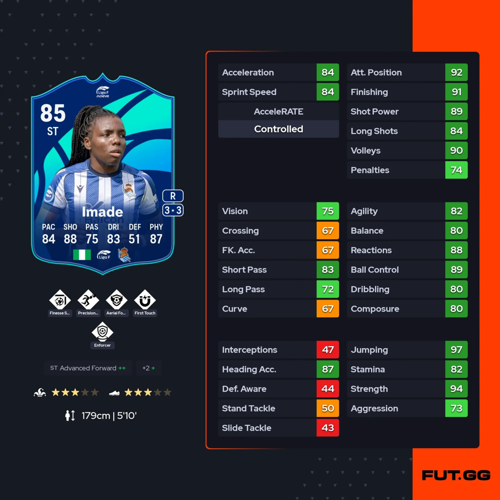
Jeune talent Nigérian Edna Imade, jeune talent nigérian née en 2001, brille actuellement sous les couleurs du RCD Espanyol. Attaquante prometteuse, elle possède une vitesse remarquable, une technique affûtée et un sens du but inné. Son style de jeu dynamique et percutant lui permet de mettre constamment en danger les défenses adverses....
Preparing for the CSS exam in Pakistan is a long-term academic commitment that requires planning, patience, and the right study material. Every year, thousands of candidates appear in the Central Superior Services examination, but only a small percentage qualify. One of the main reasons behind this is not just hard work, but the strategy students use and the study resources they choose. Most...

Cost of Visa for Egypt from UK An Egypt e visa is an electronic visa that allows travelers to apply online and receive authorization to enter Egypt without visiting an embassy. The Egypt e visa process requires submitting personal information, passport details, and travel plans, and approved visas are typically emailed to applicants. Using the Egypt e visa system speeds up entry, reduces...
