


Natural Food Colors Market Analysis 2026–2036 with Focus on Sustainable Ingredient Innovation
NEWARK, Del., USA | May 14, 2026 — According to Future Market Insights (FMI), the global natural food colors market is witnessing strong expansion, supported by rising replacement of synthetic dyes, growing clean-label demand, and increasing use of plant-based pigments across beverages, bakery, dairy, confectionery, pharmaceuticals, and personal care products. Regulatory scrutiny of petroleum-based dyes and wider consumer preference for recognizable ingredients continue to accelerate reformulation projects worldwide.
Quick Stats Snapshot – Natural Food Colors Market
- 2026 Market Size: USD 2.2 billion
- 2036 Forecast: USD 4.3 billion
- CAGR (2026–2036): 6.9%
- Leading Product Segment: Plant-Based Colors (60.0% share)
- Leading Application Segment: Food & Beverage (70.0% share)
- Leading End Use Segment: Food & Beverage Manufacturers (65.0% share)
- Leading Formulation Segment: Liquid Colors (55.0% share)
- Incremental Opportunity (2026–2036): USD 2.1 billion
- Fastest-Growing Markets: India (8.3% CAGR) and China (8.1% CAGR)
Market Size and Outlook
The global natural food colors market is projected to reach USD 4.3 billion by 2036, growing from approximately USD 2.2 billion in 2026. Growth is being driven by expanding food and beverage reformulation activity, increasing consumer demand for plant-derived ingredients, and regulatory pressure surrounding synthetic food dyes.
Natural food colors are increasingly used across beverages, confectionery, dairy products, bakery applications, supplements, and cosmetics because they support cleaner labels while maintaining visual consistency and product appeal.
Growth Drivers: Synthetic Dye Replacement and Clean-Label Demand
The market is primarily supported by regulatory developments and increasing brand investment in natural ingredient systems.
- Synthetic Dye Phase-Out: Food companies accelerating conversion from petroleum-based dyes to natural pigments
- Clean-Label Reformulation: Consumer demand for recognizable fruit, vegetable, spice, and botanical ingredients supporting adoption
- Beverage and Dairy Applications: Rising requirement for heat-stable and acid-resistant color systems in processed beverages and dairy products
- Plant-Based Ingredient Expansion: Growing preference for naturally sourced colors in packaged food and nutrition products
- Regulatory Support: FDA approvals for natural color alternatives increasing commercial confidence and product development activity
These trends continue to strengthen long-term opportunities for natural pigment suppliers and food ingredient manufacturers globally.
Key Challenges: Stability Limitations and Raw Material Dependence
Despite strong market momentum, the industry continues to face operational and technical challenges:
- Color Stability Issues: Plant pigments may fade under heat, light, or acidic processing conditions
- Higher Production Costs: Natural colors often require higher dosage rates than synthetic dyes
- Agricultural Supply Dependence: Crop yield variability affecting paprika, turmeric, annatto, and beet extract availability
- Batch Consistency Requirements: Large manufacturers requiring strict shade matching and application validation
Manufacturers investing in application testing, fermentation pigments, and formulation-specific stabilization systems are expected to strengthen competitive positioning.
Opportunities: Beverage Reformulation and Functional Ingredient Innovation
Significant opportunities are emerging from global food reformulation programs and growing natural ingredient adoption.
- Beverage Reformulation: Juice, tea, and dairy beverage producers increasing use of water-soluble natural pigments
- Confectionery Conversion Projects: Candy and snack brands replacing synthetic reds, blues, and yellows with plant-based alternatives
- Fermentation-Based Pigments: Microbial colors gaining interest for stable blue and red shade systems
- Emerging Market Expansion: India, China, and Brazil accelerating packaged food production and natural ingredient adoption
- Application Lab Services: Technical support and formulation assistance becoming key supplier differentiation factors
These developments are enabling ingredient companies to expand market penetration and diversify product portfolios.
Segmentation Insights: Plant-Based Colors and Food Applications Lead Demand
- Product Segment: Plant-based colors dominate with 60.0% share due to widespread use of fruit, vegetable, and spice extracts
- Application Segment: Food and beverage account for 70.0% share supported by beverages, confectionery, dairy, and processed food demand
- End Use Segment: Food and beverage manufacturers hold 65.0% share driven by high-volume formulation requirements
- Distribution Channel: Direct sales lead with 60.0% share as manufacturers require technical support and fixed supply agreements
- Formulation Segment: Liquid colors account for 55.0% share due to easier dosing in beverage and dairy production systems
Regional Analysis: India and China Drive Global Growth
India is projected to remain the fastest-growing natural food colors market with a CAGR of 8.3% through 2036, supported by rapid packaged food expansion and increasing use of spice- and vegetable-based pigments.
- India: Strong adoption across sweets, beverages, dairy products, and packaged foods driving high reformulation activity
- China: Beverage and snack manufacturers increasing use of plant-based pigments for cleaner ingredient labels
- United States: Regulatory pressure and retailer clean-label initiatives supporting synthetic dye replacement
- Brazil: Fruit beverage and confectionery industries expanding natural color applications
- Germany and France: Strict additive scrutiny and traceability requirements supporting premium natural color demand
- United Kingdom: Mature reformulation activity sustaining stable clean-label ingredient demand
Competitive Landscape: Application Support and Shade Stability Shape Competition
The natural food colors market remains competitive, with global ingredient suppliers focusing on application expertise, regulatory compliance, and stable supply chains.
Leading companies focus on:
- Expanding application laboratories and technical formulation support
- Developing heat-stable and acid-resistant natural pigment systems
- Strengthening global manufacturing and distribution capabilities
- Increasing fermentation pigment production and botanical sourcing networks
- Supporting large-scale reformulation projects across beverages and confectionery
Competitive advantage increasingly depends on shade consistency, regulatory documentation, formulation performance, and reliable raw material sourcing.
Strategic Implications for Decision-Makers
The natural food colors market presents long-term opportunities supported by rising clean-label adoption, regulatory pressure on synthetic dyes, and growing demand for plant-based ingredients.
- Food manufacturers should prioritize application-tested color systems that maintain stability under processing conditions
- Beverage producers can benefit from liquid natural colors offering reliable dosing and acid resistance
- Ingredient suppliers may strengthen competitiveness through technical support and formulation partnerships
- Investors can capitalize on expanding global demand for natural additives and clean-label food ingredients
As global food systems continue shifting toward cleaner labels and naturally derived ingredients, natural food colors are expected to become increasingly important across food, beverage, supplement, pharmaceutical, and personal care applications.
👉 Read Full Report: Future Market Insights Natural Food Colors Market Report
FAQs
What is the future size of the market?
The natural food colors market is projected to reach USD 4.3 billion by 2036.
What is driving market growth?
Growth is driven by synthetic dye replacement, clean-label reformulation, and increasing beverage and confectionery applications.
Which product segment dominates the market?
Plant-based colors lead the market with 60.0% share in 2026.
Which region shows the strongest growth?
India leads global growth, followed by China and the United States.
Which application segment leads the market?
Food and beverage dominate due to extensive use in beverages, dairy products, confectionery, and processed foods.
Have a Look at Related Research Reports on the Food & Beverage Domain
- Confectionery Mixes Market https://www.futuremarketinsights.com/reports/confectionery-mixes-market
- Heat-Stable Probiotics Market https://www.futuremarketinsights.com/reports/heat-stable-probiotics-market
- Protein Condiments Market https://www.futuremarketinsights.com/reports/protein-condiments-market
- Chewable Hydration Market https://www.futuremarketinsights.com/reports/chewable-hydration-market
- Grain-Based Mycelium Meat Alternatives Market https://www.futuremarketinsights.com/reports/grain-based-mycelium-meat-alternatives-market
About Future Market Insights (FMI)
Future Market Insights is a leading provider of market intelligence and consulting services, serving clients in over 150 countries. Headquartered in Newark, with a global delivery center in Pune and offices in the United Kingdom and United Arab Emirates, FMI delivers actionable insights across industries including food & beverage, healthcare, chemicals, and consumer goods.
An ESOMAR-certified organization, FMI provides data-driven insights to support strategic decision-making for global businesses.
Contact Us
Future Market Insights Inc.
Christiana Corporate, 200 Continental Drive,
Suite 401, Newark, Delaware – 19713, USA
T: +1-347-918-3531
For Sales Enquiries: sales@futuremarketinsights.com
Категории
Больше
If you are searching for MP News Today Bhopal or real-time MP News CG News Today in Hindi, here are the latest updates that are directly affecting daily life in the city. Bhopal is changing fast. From traffic movement to weather conditions and daily routines, everything is evolving in a way that people can actually feel-not just read. MP News Today Bhopal: Breaking News That Impacts You...

The Japanese Restaurant Market has emerged as one of the fastest-growing segments in the global foodservice industry. Driven by rising health consciousness, growing consumer interest in authentic Asian cuisines, and rapid expansion of premium dining experiences, the market continues to witness strong momentum across North America, Europe, Asia-Pacific, and the Middle East....
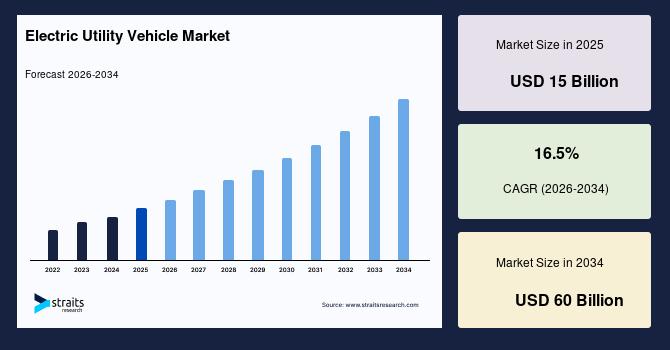
Electric Utility Vehicle Industry Insights: Straits Research recently introduced the latest update on the Electric Utility Vehicle Market that provides an extensive outlook of the market, analyzing key growth opportunities, challenges, risk factors, and emerging trends across diverse geographic regions. The report offers a definitive and meticulous analysis of the Electric Utility...
Situs Toto has become a major name in the world of online lottery and number prediction games, offering players a trusted, secure, and entertaining platform to test their luck and win big. With the rapid growth of online gaming, Situs Toto stands out as one of the most reliable options for players seeking fairness, fast payouts, and a user-friendly experience. The platform blends traditional...

The latest business intelligence report released by Polaris Market Research on Long Duration Energy Storage Market Size, Share, Trends, Industry Analysis Report: By Technology (Mechanical Storage, Thermal Storage, Electrochemical Storage, and Chemical Storage), Duration, Capacity, Application, End User, and Region (North America, Europe, Asia Pacific, Latin America, and Middle East &...
