


How Procurement Technology Solutions Are Driving Autonomous Sourcing in 2026
The Shift Toward Autonomous Sourcing
In 2026, procurement is undergoing a fundamental transformation as organizations adopt advanced procurement technology solutions to move from manual processes to autonomous sourcing. This shift is driven by the convergence of artificial intelligence, automation, and real-time data intelligence, enabling procurement systems to act independently rather than simply assist human decision-making.
Autonomous sourcing refers to the ability of intelligent systems to manage sourcing activities end-to-end—from supplier discovery to negotiation insights—without constant human intervention. This evolution marks a turning point where procurement begins transitioning from reactive operations to proactive, self-executing workflows.
The Role of AI and Agentic Systems
At the core of this transformation are AI-powered and agentic systems embedded within procurement technology solutions. Unlike traditional tools that rely on user input, these systems can analyze vast datasets, interpret market signals, and execute sourcing strategies autonomously.
Agentic AI enables multi-step workflows such as supplier research, bid analysis, and recommendation generation with minimal oversight. These intelligent agents can plan, evaluate, and execute procurement tasks across multiple systems, effectively functioning as digital co-workers.
As a result, procurement teams are no longer limited to dashboards and reports. Instead, they benefit from systems that actively perform sourcing activities, reducing cycle times and improving decision accuracy.
Data-Driven Decision Intelligence
One of the most significant contributions of procurement technology solutions is their ability to harness data for autonomous decision-making. AI-driven tools analyze internal spend data alongside external market trends to identify cost-saving opportunities and supplier risks in real time.
This data-centric approach allows organizations to forecast demand, anticipate price fluctuations, and optimize supplier selection dynamically. By shifting from historical analysis to predictive and prescriptive insights, procurement becomes more agile and resilient.
Moreover, intelligent systems continuously learn from new data, refining their recommendations and improving sourcing outcomes over time. This self-learning capability is a cornerstone of autonomous sourcing in 2026.
End-to-End Automation of Sourcing Workflows
Modern procurement technology solutions are increasingly capable of automating the entire source-to-pay lifecycle. From intake and supplier vetting to contract management and approvals, these systems orchestrate workflows without manual intervention.
In sourcing specifically, automation extends beyond routine tasks. AI can generate request-for-proposal documents, evaluate supplier responses, and even support negotiation strategies.
This level of automation not only improves efficiency but also ensures compliance with procurement policies and reduces the risk of human error. Over time, routine sourcing categories are expected to become fully autonomous, freeing procurement professionals to focus on strategic initiatives.
Enhancing Agility and Resilience
In a volatile global environment, agility and resilience have become critical priorities. Procurement technology solutions enable organizations to respond quickly to disruptions by continuously monitoring supplier performance, market conditions, and risk factors.
These systems can trigger predefined actions—such as identifying alternative suppliers or adjusting sourcing strategies—without waiting for manual intervention. This proactive capability strengthens supply chain resilience and supports more robust sourcing decisions.
Additionally, the integration of digital tools such as analytics, cloud systems, and connected data ecosystems enhances visibility across the supply chain, enabling faster and more informed responses.
The Strategic Impact on Procurement Teams
As autonomous sourcing becomes more prevalent, the role of procurement professionals is evolving. Rather than focusing on transactional tasks, teams are shifting toward strategic activities such as supplier collaboration, innovation, and value creation.
Procurement technology solutions are not replacing human expertise but augmenting it. By automating repetitive processes and delivering actionable insights, these solutions empower professionals to make higher-value decisions and drive business outcomes.
This transformation also requires new capabilities, including data literacy, AI governance, and strategic thinking, ensuring that organizations can fully leverage the benefits of autonomous sourcing.
Conclusion: From Automation to Autonomy
In 2026, procurement is moving beyond automation toward true autonomy. Procurement technology solutions are enabling systems that not only support decisions but actively execute sourcing processes with intelligence and precision.
This evolution is redefining how organizations approach sourcing—making it faster, more data-driven, and inherently strategic.
As autonomous capabilities continue to mature, procurement will play an increasingly critical role in driving efficiency, resilience, and competitive advantage in the digital enterprise.
Categorie
Leggi tutto
Summary: Rice Krispies treats make perfect wedding favors because they blend nostalgia, elegance, and universal appeal. They transforms ordinary desserts into special treats through its custom design work, high-quality ingredients, and attractive packaging, which guests will enjoy and remember as part of your wedding celebration. Weddings are composed of individual moments that make up...

Seit Kurzem ist das Pokémon TCG Pocket in Deutschland, Österreich und der Schweiz verfügbar und ermöglicht das Sammeln und Kämpfen auf mobilen Geräten. Im Mittelpunkt steht dabei das Sammeln der vielfältigen Karten, ähnlich wie im physischen Vorbild. Die Karten sind in unterschiedlichen Seltenheitsstufen eingeteilt, wobei einige besonders rar sind und...

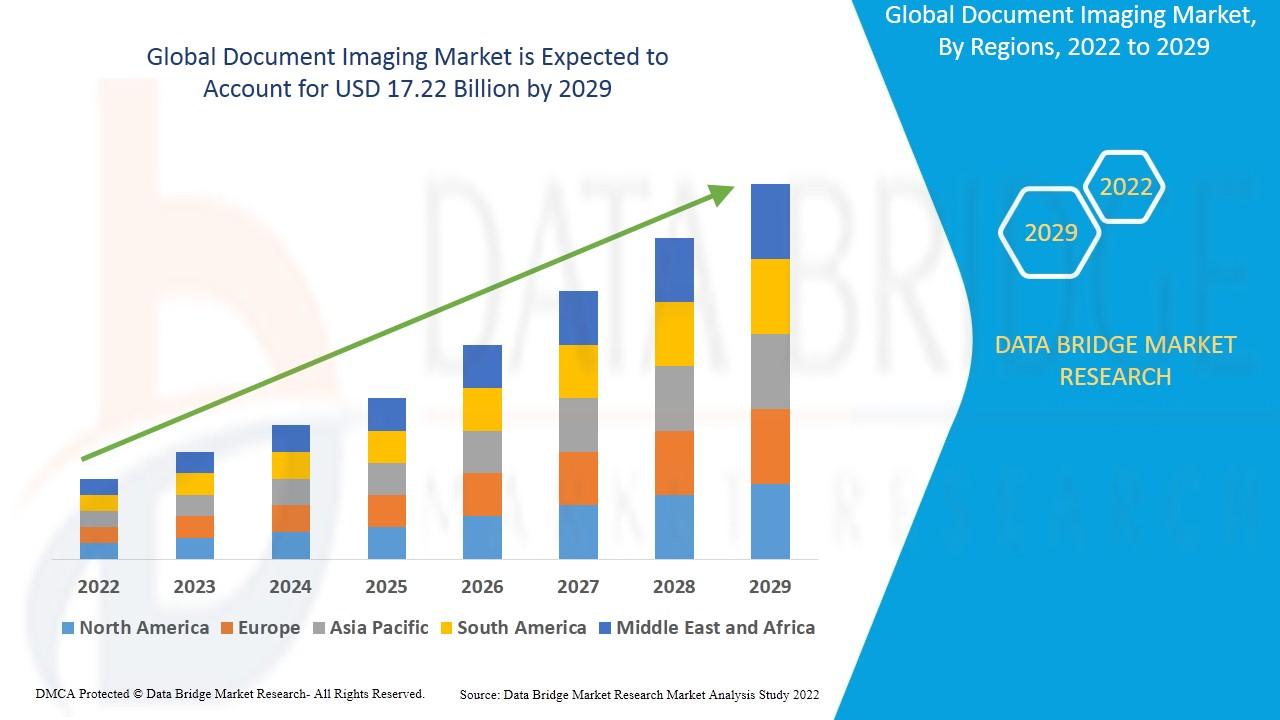
The document imaging market focuses on converting paper documents into digital formats, enabling efficient storage, retrieval, and management of information. Global Document Imaging Market was valued at USD 6.25 billion in 2021 and is expected to reach USD 17.22 billion by 2029, registering a CAGR of 13.50% during the forecast period of 2022-2029. This technology enhances data...
High-performance carbide endmill cutter designed for precision cutting, smooth finishes, and long tool life in CNC milling applications. The Role of Carbide Endmill Cutters in High-Speed, High-Accuracy Machining In today’s fast-paced manufacturing landscape, precision, speed, and reliability are non-negotiable. Whether you are working with aerospace components,...

PlayerUnknown’s Battlegrounds превратился в настоящую сенсацию, способную увлечь игроков на часы, но вместе с тем и создать серьезные проблемы для киберспортивной карьеры. Создатель игры Брендан Грин вспоминает случай с вечеринки Twitch Dreamhack, где тренеры ведущих киберспортивных коллективов жаловались, что им приходится буквально отрывать своих подопечных от PUBG, так как игра...