The Complete Guide to Offshore Company Formation in Dubai
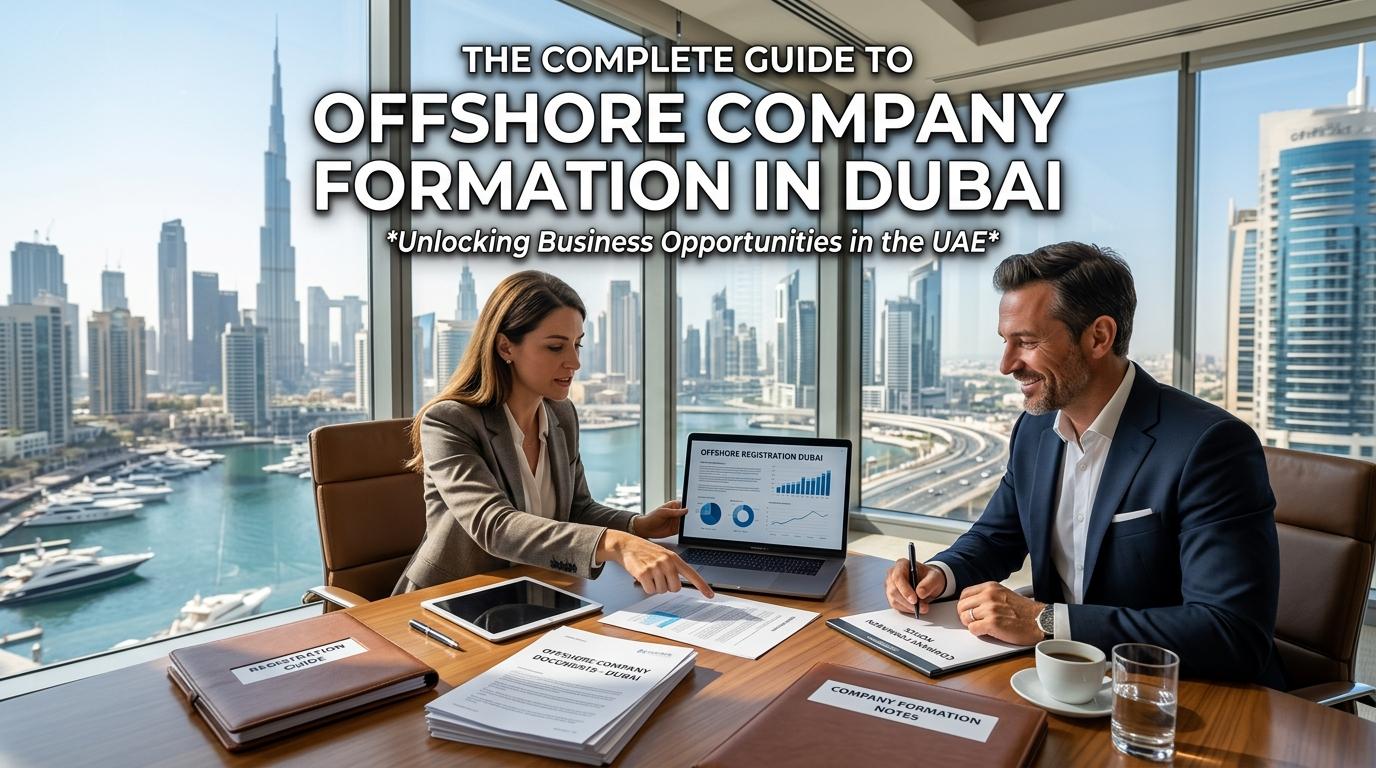
Offshore company formation in Dubai is a popular option for investors who want to manage international business activities through a UAE-based structure. It is often used for asset holding, international trading, wealth management, and global business planning rather than direct trading inside the local UAE market.
For many entrepreneurs and international investors, an offshore company offers privacy, flexibility, and simplified ownership arrangements. However, it is important to understand how offshore structures work before deciding if this setup is the right fit.
What is an Offshore Company in Dubai?
An offshore company in Dubai is a legal business entity registered in a UAE offshore jurisdiction for international or cross-border business purposes. It is generally designed for non-resident business activity rather than for day-to-day operations inside the UAE local market.
This type of company is often used to hold shares, protect assets, manage investments, own property in certain cases, and conduct international transactions. It is usually not the right choice for businesses that want to open a retail shop, operate locally, or carry out standard mainland commercial activity in Dubai.
Why Investors Choose Offshore Company Formation
One of the main reasons investors choose offshore company formation is flexibility. Offshore companies are often used for international structuring, asset protection, and holding investments in an organized way.
Another reason is ownership convenience. Offshore entities are commonly chosen by foreign investors because they can be structured with full foreign ownership and are often easier to manage for global business interests.
Many investors also like offshore companies because of their relatively simple structure. In many cases, there is no need for a physical office in the UAE in the same way that some mainland or free zone companies require.
Common Uses of an Offshore Company
Offshore companies in Dubai are commonly used for:
-
International business activities outside the UAE
-
Holding shares in other companies
-
Asset protection and wealth structuring
-
Owning property in approved situations
-
Managing intellectual property or investments
-
Global trade planning through an international structure
This makes them especially attractive for investors who do not need a physical operating business inside Dubai but want a UAE-linked corporate vehicle.
Offshore Jurisdictions Connected to Dubai
When people talk about offshore company formation in Dubai, they are often referring to structures connected with jurisdictions such as JAFZA Offshore. JAFZA Offshore is one of the most recognized offshore structures in the UAE and is often used by international investors.
Different offshore jurisdictions have different rules, requirements, and permitted uses. Because of this, the selected jurisdiction plays a major role in determining what the company can and cannot do.
Step-by-Step Offshore Company Formation Process
The Offshore Company Setup Dubai process usually begins with choosing the right jurisdiction and defining the purpose of the company. Since offshore companies are not meant for the same kind of activities as mainland companies, this step is very important.
After that, the investor chooses the company name, prepares the incorporation documents, appoints shareholders and directors, and works through an approved registered agent where required. Once the application is submitted and approved, the incorporation certificate and company documents are issued.
Role of a Registered Agent
A registered agent is often a key part of offshore company formation. In some offshore structures, the company must be formed through an approved registered agent rather than directly by the applicant.
The registered agent usually handles official communication, administrative formalities, and submission of documents. This is why choosing the right service provider is an important part of the setup process.
Documents Commonly Required
The exact document list depends on the offshore jurisdiction and whether the shareholders are individuals or corporate entities. However, several documents are commonly requested during the setup process.
These may include:
-
Passport copies of shareholders and directors
-
Proof of residential address
-
Proposed company name
-
Business activity details or company purpose
-
Bank reference letter in some cases
-
Corporate documents if a company is a shareholder
-
Resolution documents for corporate shareholders
-
Additional due diligence documents where required
Making sure these documents are clear and complete helps reduce delays during incorporation.
Bank Account Opening
After the offshore company is formed, many investors move to the next step of opening a corporate bank account. This is one of the most important parts of making the offshore structure operational.
Bank account approval depends on the bank’s own compliance process. Even if the offshore company is successfully incorporated, the bank may request further details about the business activity, ownership structure, and source of funds before approving the account.
Benefits of Offshore Company Formation in Dubai
Offshore company formation can offer several practical benefits depending on the investor’s goals. It can provide a structured way to manage international business, hold assets, and organize ownership across borders.
It can also be useful for people who want a simpler non-resident company structure linked to a respected business environment. For the right type of investor, this can be an efficient way to support international planning and long-term business management.
Things to Consider Before Setting Up
Offshore companies are not suitable for every business model. If the goal is to trade directly within the UAE market, hire staff for local operations, or run a physical office-based company in Dubai, another structure may be more appropriate.
It is also important to think about compliance, banking, and the intended use of the company from the start. An offshore structure should be selected because it fits the real business purpose, not just because it sounds simple or cost-effective.
Final Thoughts
Offshore company formation in Dubai can be an excellent option for investors who need a flexible structure for international business, asset holding, or global corporate planning. It is especially suitable for businesses that operate outside the UAE local market and want a recognized legal structure in the region.
The key to a successful offshore setup is understanding the purpose of the company and choosing the right jurisdiction from the start. With proper planning, documentation, and the right professional support, the incorporation process can be smooth and efficient.
Frequently Asked Questions
What is an offshore company in Dubai?
It is a non-resident business structure used mainly for international business, asset holding, and cross-border ownership arrangements.
Can an offshore company trade directly in the UAE market?
In general, offshore companies are not designed for standard local UAE business operations.
Do offshore companies need a physical office in Dubai?
In many cases, they do not require a physical office in the same way that mainland businesses often do.
Is a registered agent required?
For some offshore structures, yes, an approved registered agent is a required part of the setup process.
Can an offshore company open a bank account?
Yes, but bank approval depends on the bank’s compliance checks and documentation requirements.
Κατηγορίες
Διαβάζω περισσότερα
In today’s hyperconnected supply chain environment, logistics businesses are under relentless pressure to move faster, operate leaner, and deliver with surgical precision. Manual workflows and fragmented systems no longer suffice. This is where selecting the right logistics app development company becomes a strategic decision rather than a technical one. A well-built logistics application...

Netflix's $82.7 Billion Warner Bros. Acquisition: What It Means for Streaming Services The streaming landscape is undergoing a seismic shift with Netflix's massive $82.7 billion acquisition of Warner Bros., including its prestigious HBO and HBO Max brands. This unprecedented deal has subscribers questioning the future of their streaming subscriptions. Many viewers currently juggling both...

Making your own dog treats at home is one of the best ways to control what goes into your pet’s diet. With so many processed snacks filled with preservatives or unknown ingredients, more pet owners are looking for homemade dog treats recipes vet approved to ensure their dogs stay happy, healthy, and safe. At Animals Pet Health, we believe your pet’s nutrition starts...

"Regional Overview of Executive Summary Interstitial Lung Disease Treatment Market by Size and Share CAGR Value The global interstitial lung disease treatment market size was valued at USD 8.96 billion in 2025 and is expected to reach USD 14.71 billion by 2033, at a CAGR of 6.40% during the forecast period The strategies encompassed in the Interstitial...

Se stai cercando piattaforme affidabili per scommettere online, conoscere i siti scommesse non aams sicuri è fondamentale. Questi siti offrono quote competitive, una vasta gamma di eventi sportivi e promozioni interessanti, pur operando al di fuori del circuito AAMS. In questa guida completa, esploreremo i vantaggi dei siti non AAMS, le tipologie di scommesse disponibili, le strategie...