


The Battle for Connectivity: Understanding Home Wi-Fi Router Market Share

The competitive dynamics that determine Home Wi Fi Router Market Share are a fascinating study in strategy, branding, and technological prowess. The market is not a monolith; share is contested across several key segments, including standalone routers, mesh Wi-Fi systems, and specialized gaming routers. In terms of sheer volume and global reach, TP-Link has often held a leading position. The company's success is built on a strategy of offering a vast portfolio of products at highly competitive price points, from entry-level models that are accessible to almost any budget to high-performance Archer series routers that compete with the best in the market. This ability to effectively serve both the price-sensitive mass market and the more discerning mid-range user allows TP-Link to capture a substantial share of unit sales worldwide. Their extensive distribution network and strong presence in both online and brick-and-mortar retail channels further solidify their dominant position in many regions, making them a formidable force in the industry.
Challenging for the top spots in market share, particularly in terms of revenue, are companies like Netgear and Asus, which often focus on the more profitable mid-to-high end of the market. Netgear has been particularly successful with its two-pronged brand strategy. The "Nighthawk" brand has become synonymous with high-performance standalone routers, appealing to gamers, streamers, and users who demand maximum speed and cutting-edge features. Simultaneously, its "Orbi" brand was a pioneer in the consumer mesh Wi-Fi space and continues to hold a significant share of that lucrative and fast-growing segment. Orbi systems are positioned as a premium, easy-to-use solution for whole-home coverage, appealing to a less tech-savvy but affluent demographic. Asus, on the other hand, has masterfully cultivated the gaming community with its Republic of Gamers (ROG) line. These routers boast aggressive styling, gamer-centric software features, and top-of-the-line hardware, creating a loyal following and commanding high average selling prices, allowing Asus to capture a disproportionately large share of the high-performance market segment.
A significant disruption in the traditional market share landscape has come from the entry of major technology giants, namely Amazon and Google. Their approach is fundamentally different from that of the traditional networking companies. Amazon's Eero and Google's Nest Wifi products prioritize simplicity, ease of use, and seamless integration with their respective smart home ecosystems above all else. Setup is done through a simple, user-friendly mobile app, and the aesthetic design is meant to blend into the home rather than stand out as a piece of tech hardware. Their market share strategy is not just about selling routers; it's about solidifying their position at the center of the customer's smart home. By controlling the network, they gain valuable data insights and create a stickier ecosystem for their other products and services, from Alexa and Google Assistant to Ring security cameras and Nest thermostats. This ecosystem-driven approach represents a powerful new competitive force that traditional manufacturers must now contend with.
The distribution of market share also has a strong geographical component. While brands like Netgear and Linksys have historically had a very strong presence in the North American market, Asian brands like TP-Link and Asus have dominant shares in many parts of Asia and Europe. Regional preferences, historical brand loyalty, and the specifics of local distribution channels all play a significant role. Furthermore, the channel through which a router is sold is a key determinant of market share. The rise of e-commerce platforms like Amazon has leveled the playing field to some extent, allowing smaller brands to reach a global audience. However, a strong presence in major physical retail chains like Best Buy, Walmart, and Target remains crucial for capturing the large segment of the population that prefers to see and purchase electronics in person. The ability of a company to effectively manage a multi-channel strategy, catering to both online and offline shoppers across different global regions, is a critical factor in building and maintaining a leading market share position.
Top Trending Reports:
Categorias
Leia Mais
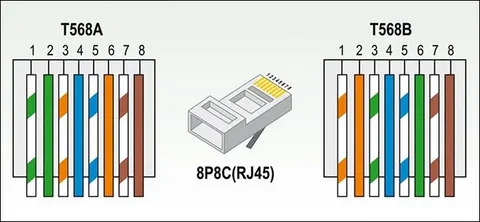
Understanding Ethernet wiring standards is essential for building reliable wired networks in homes, offices, and data centers. The ethernet cable color order T568A T568B complete guide helps technicians and beginners correctly terminate RJ45 connectors and avoid connectivity issues. This guide explains both wiring standards in detail, shows how they differ, when to use each, and how proper...
슬롯 온라인 사이트를 선택하는 과정은 단순히 게임을 고르는 수준을 넘어, 전체적인 경험 품질을 결정하는 중요한 판단 과정입니다. 2026년 기준으로 보면 슬롯 게임은 더 이상 단순한 확률 기반 오락이 아니라, 환수율(RTP), 변동성, 보너스 구조, 그리고 플랫폼 신뢰성이 결합된 복합적인 시스템으로 발전했습니다. 이 글에서는 슬롯 온라인 사이트를 선택할 때 반드시 고려해야 할 핵심 기준과 함께 mypebblefaces가 제공하는 방향성을 구조적으로 정리합니다. 슬롯 온라인 사이트가 단순하지 않은 이유 슬롯 온라인 사이트는 겉으로 보면 단순히 게임을 제공하는 플랫폼처럼 보이지만 실제 구조는 훨씬 복잡합니다. 동일한 게임이라도 사이트에 따라 체감 경험이 달라지는 이유는 운영 환경과...

Ion Milling Market is witnessing steady technological progress through the development of compact, user-friendly systems designed for diverse laboratory environments. Enhanced software integration and automated operation simplify workflows while improving repeatability and analytical accuracy. The Ion Milling Market is witnessing steady growth driven by increasing demand for high...
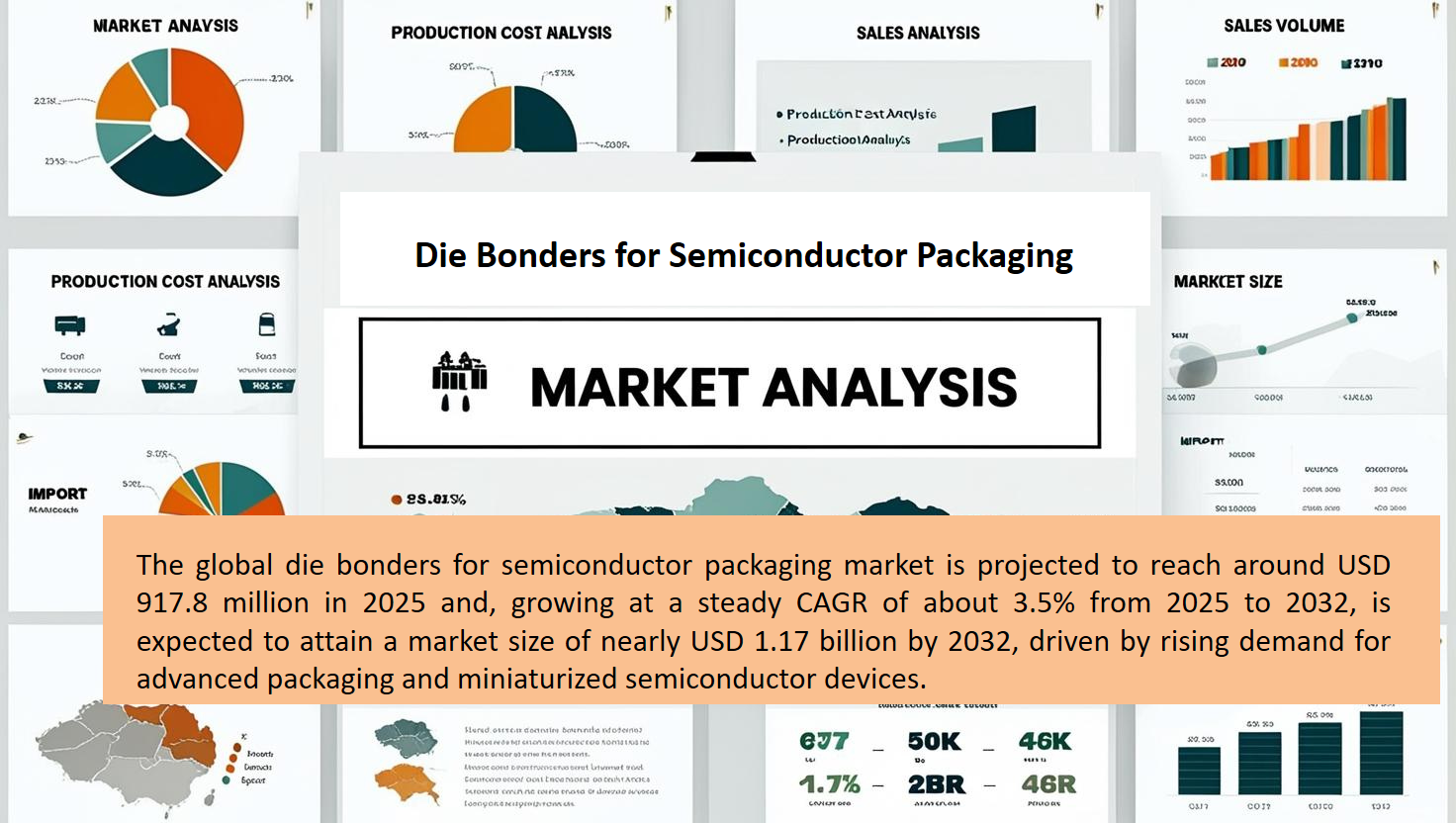
How Die Bonders for Semiconductor Packaging Are Reshaping AI, Automotive Electronics, and Advanced Chip Infrastructure The semiconductor industry is no longer scaling only through smaller transistor nodes. The new competitive battlefield is packaging density, thermal performance, and heterogeneous integration. At the center of this transformation sits Die Bonders for...
The Middle-East & Africa last mile delivery market is undergoing rapid transformation driven by the expansion of e-commerce, urbanization, and increasing consumer expectations for faster and more reliable deliveries. Last mile delivery refers to the final step in the logistics chain where goods are transported from distribution centers to the end customer. In this region, rising digital...