Sustainable Waste Solutions Through Plastic Film Recycling
Revolutionizing Industrial Logistics Through the Circular Economy of Flexible Synthetics
Within the modern manufacturing and distribution sectors, efficiency is often measured by the speed and security of goods moving through the supply chain. To protect products during transit, industrial facilities rely heavily on flexible polymer packaging. However, the immense volume of discarded stretch wraps, protective liners, and agricultural sheets generated daily presents a massive materials management challenge. Implementing a dedicated strategy for plastic film recycling has shifted from a minor sustainability goal to a core operational necessity for businesses looking to eliminate waste management liabilities and recover hidden value.
By building structured, localized recovery networks for flexible synthetic scrap, commercial enterprises can transform costly waste management operations into highly profitable resource streams. Navigating this transition requires an understanding of how flexible materials are classified, the logistics of bulk collection, and the advanced processing techniques that convert industrial scrap back into high-grade manufacturing resins.
The Scale and Variety of Commercial Flexible Scrap
Unlike rigid polymer assets like pallets and piping, flexible packaging is designed for single-use stabilization and protection. Because industrial hubs discard these materials in massive, uniform quantities, they are excellent candidates for large-scale, closed-loop reclamation programs.
Logistics, Warehousing, and Distribution Materials
The transport and logistics sectors are the largest generators of commercial flexible scrap. Distribution hubs handle thousands of palleted shipments daily, resulting in an endless stream of used linear low-density polyethylene stretch wrap, pallet shrouds, and protective hoods. Additionally, manufacturing facilities generate significant volumes of clean poly-bags, protective component wraps, and industrial mattress film. When collected and consolidated directly at the warehouse bay, these materials represent a highly consistent supply stream with minimal contamination.
Agricultural, Structural, and Textile Flexible Synthetics
Beyond logistics centers, specialized commercial sectors rely heavily on heavy-duty flexible materials. The agricultural industry utilizes thousands of tons of silage films, greenhouse covers, and protective mulch sheets annually to shield crops and preserve feed. Meanwhile, the commercial texturing and shipping sectors produce large volumes of technical woven poly-sacks and durable bulk storage tarps. While these items often require more rigorous cleaning due to outdoor exposure, their high polymer density makes them incredibly valuable for secondary processing.
Technical Classification and Purity of Flexible Polymers
Successful material recovery depends on the precise sorting of flexible synthetics based on their chemical composition and density. Maintaining clean, unmixed material streams ensures optimal efficiency during mechanical and thermal processing.
Low-Density and Linear Low-Density Polyethylene
The vast majority of commercial packaging films are made from low-density polyethylene and linear low-density polyethylene. These polymers are chosen for their exceptional tensile strength, puncture resistance, and flexibility. Linear low-density polyethylene is the primary material used to manufacture high-performance stretch wrap, while low-density polyethylene is commonly found in thicker agricultural sheets and heavy-duty shipping bags. Because these two polymer variations share a similar chemical foundation, they can be efficiently co-processed into clean, high-yielding recycled resins.
High-Density Polyethylene and Polypropylene Films
While low-density options dominate the packaging market, high-density polyethylene and polypropylene are widely used for specialized flexible applications. High-density polyethylene films are characterized by their rigid feel and high chemical resistance, making them ideal for industrial liners, agricultural barrier films, and protective rust-inhibiting packaging. Polypropylene films, valued for their clarity and high melting point, are frequently found in woven bulk bags, electronics packaging, and specialized lamination film. Separating these distinct polymer categories during collection prevents cross-contamination and preserves the mechanical integrity of the final recycled product.
The Closed-Loop Logistical Pipeline for Baled Scrap
Because flexible films are highly compressible yet bulky when loose, transporting them requires specialized on-site management and a reliable, nationwide logistical framework.
On-Site Compaction and Spotted Trailer Programs
Loose flexible film takes up immense warehouse space and creates safety hazards on the production floor. To manage this efficiently, commercial facilities utilize industrial balers to compress loose wrap and film into dense, easily stackable, and transportable bales. Leading reclamation services offer comprehensive spotted trailer programs, placing dedicated trailers directly at manufacturing loading docks. Once a facility fills a trailer with baled flexible scrap, the transport fleet swaps it out for an empty container, ensuring continuous, uninterrupted facility operations.
Economic Advantages and Market Valuations
Shifting from traditional commercial waste management to a dedicated material recovery model provides immediate financial benefits. Traditional waste hauling relies heavily on landfill tipping fees and continuous service charges, which are non-recoverable operational costs. In contrast, partnering with specialized material buyers turns baled flexible scrap into a direct revenue stream. Processing facilities offer competitive market pricing for clean, well-segregated film bales, allowing companies to offset their packaging procurement costs and improve overall profitability.
Advanced Mechanical Processing and Resin Production
Once baled flexible scrap is transported to a specialized processing facility, it undergoes a complex mechanical and thermal transformation to restore its original performance characteristics.
Grinding, Washing, and Friction Decontamination
The initial phase of processing focuses on breaking down the compressed bales and eliminating external impurities. The baled film is introduced into high-capacity industrial shredders that cut the flexible sheets into small, lightweight flakes. These flakes then pass through advanced friction washing systems and float-sink tanks. This critical step removes paper labels, industrial adhesives, dust, moisture, and chemical residues, ensuring the polymer flakes achieve the strict purity levels required for secondary manufacturing.
Continuous Extrusion, Filtration, and Pelletization
The clean, dry film flakes are fed into high-pressure extrusion systems where they are melted and homogenized under precise temperature controls. During extrusion, the molten polymer is forced through micro-filtration screen changers to capture any remaining microscopic particles. The refined melt is then extruded through die plates, cooled in specialized water baths, and cut into uniform, high-grade pellets. These premium recycled pellets match the performance properties of virgin materials, allowing manufacturers to seamlessly blend them back into the production of new stretch wraps, industrial bags, and structural plastics.
Strategic Benefits of Audited Corporate Sustainability
Enrolling in a certified material recovery framework delivers distinct strategic advantages that extend far beyond immediate balance sheet improvements.
Achieving Green Compliance and Certification
Working with an accredited material processing partner allows corporations to obtain formal green certifications and audited sustainability reports. These documents provide transparent data tracking the exact material volumes diverted from local landfills and successfully reintroduced into the circular economy. These metrics are essential for meeting tightening regional environmental regulations, fulfilling corporate social responsibility mandates, and satisfying the environmental compliance requirements of institutional investors and global business partners.
Building Supply Chain Resilience
Relying solely on fossil-fuel-derived virgin resins leaves manufacturers highly vulnerable to the price volatility and logistical disruptions of global petrochemical markets. By integrating high-quality recycled resins derived from localized flexible scrap streams, businesses build a reliable, self-sustaining supply loop. This strategic shift protects operations from external market spikes while appealing to a growing market of eco-conscious commercial clients, business partners, and modern consumers.
Catégories
Lire la suite
Entering the housing market requires more than just a good eye for architecture; it demands a strategic mindset toward your finances. A primary residential mortgage is likely the largest financial commitment you will ever make, and treating it with professional rigor can save you thousands over the life of the loan. Success starts long before you visit an open house, beginning with a deep dive...

The online betting platforms have made it much easier for players to bet and play casino games on their mobile. Khelo24bet is one of these platforms which offers a user-friendly and simple system of payment for withdrawals and deposits. When you are looking to bet on sports or play at the Khelo24bet Casino this platform offers various payment options to ensure that transactions are smooth and...

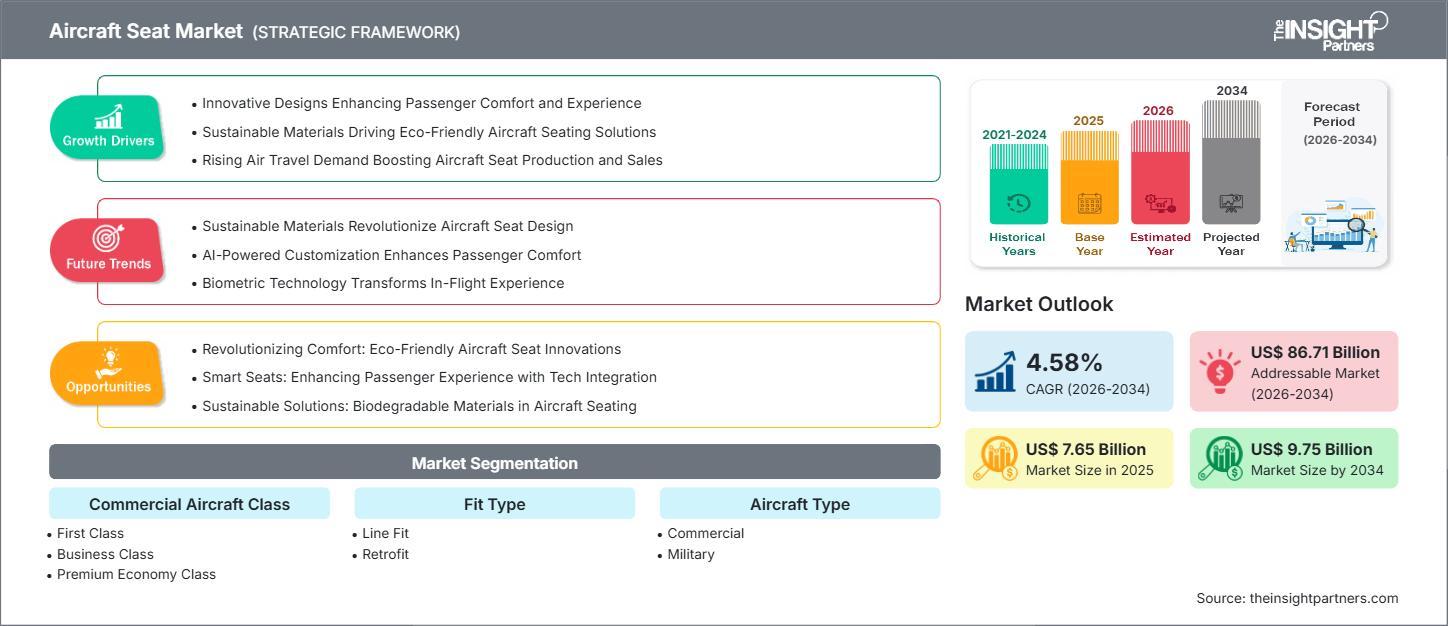
The global Aircraft Seat Market is witnessing steady growth due to the increasing demand for air travel, rising aircraft production, and continuous advancements in cabin interior technologies. Aircraft seats play a critical role in enhancing passenger comfort, improving cabin efficiency, and supporting airline branding strategies. Airlines worldwide are increasingly investing in lightweight,...
The adult advertising space is not what it used to be. Over the last few years, stricter policies, evolving user behavior, and rising competition have pushed advertisers to rethink how they approach Adult Adverts. If you are trying to scale campaigns today, simply running traffic is not enough. You need the right platform, the right format, and a clear understanding of how this niche works....

High-quality turning inserts for CNC machining deliver precision, durability, and smooth cutting for steel, alloy, and metal machining applications. Introduction to Turning Inserts for CNC Machining In modern manufacturing, CNC machining has become the backbone of precision engineering. Among all cutting tools used in CNC lathes and turning centres,...